Spain is a country of staggering biodiversity thanks to an array of Atlantic, Mediterranean, alpine, and volcanic ecosystems collectively offering some of Europe’s richest wildlife habitats.
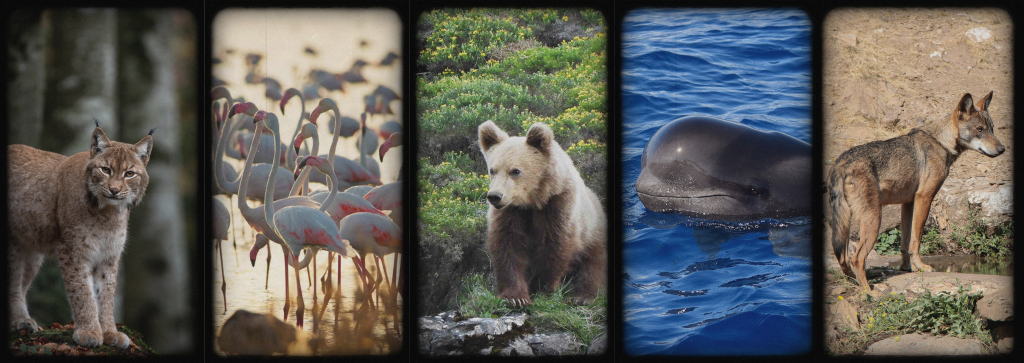
From vast mountainous landscapes prowled by wolves and bears in the north to exotic wetlands teeming with a kaleidoscope of bird species in the south, so many unforgettable encounters with nature can be had across Spain and its 17 different regions.
Here are some of the very best wildlife experiences, complete with where to go, when to go, and who to go with.
Spotting Wild Lynx in the Sierra de Andújar
📍 Where: Parque Natural de la Sierra de Andújar, Jaén province, northern Andalucía
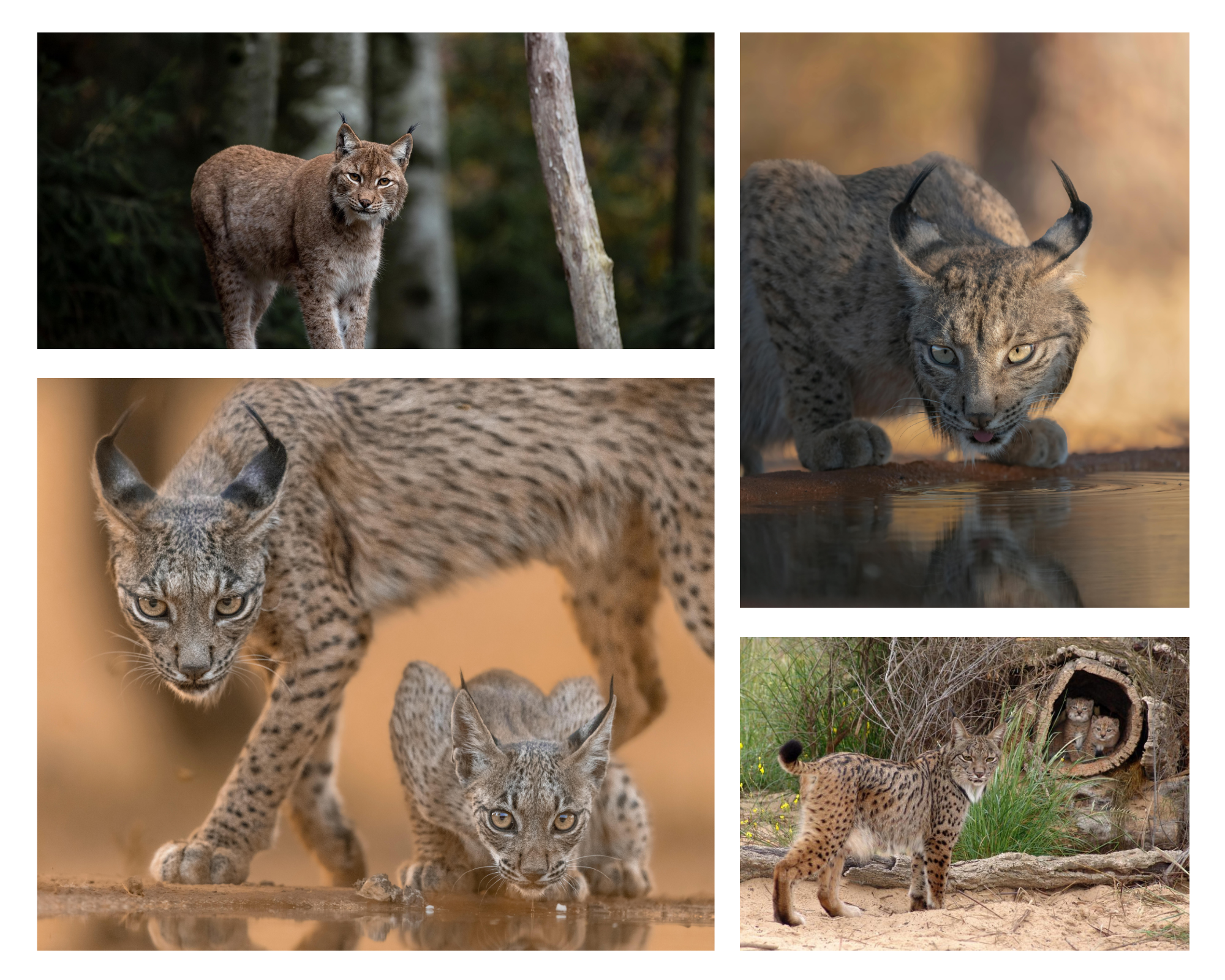
The Sierra de Andújar is the best place to see the Iberian lynx, once critically endangered and now a conservation success story. At dawn and dusk, expert guides lead jeep safaris and telescope scans across valleys and scrubland where lynx prowl for rabbits. With luck, you may glimpse their tufted ears and spotted coats.
- Cost: €60–€100 per person (half-day trips)
- Recommended operator: Naturoots
Tracking Wolves in the Sierra de la Culebra
📍 Where: Sierra de la Culebra, Zamora province, western Castilla y León
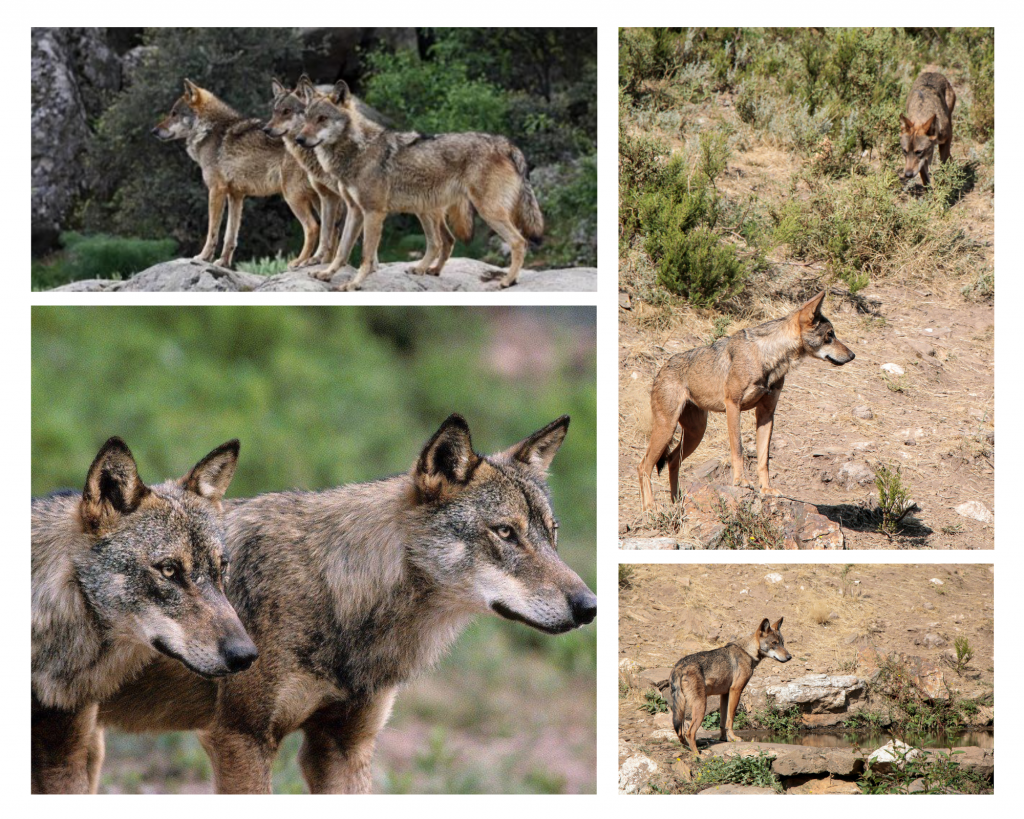
The Sierra de la Culebra is one of Europe’s best places to spot wild Iberian wolves. At sunrise and sunset, guides bring visitors to strategic vantage points with high-powered scopes, waiting for wolf packs to emerge from the forest to hunt or roam across meadows. The eerie howls at dusk are unforgettable.
- Cost: From €90 per person (half-day excursion)
- Recommended operator: Wildwatching Spain
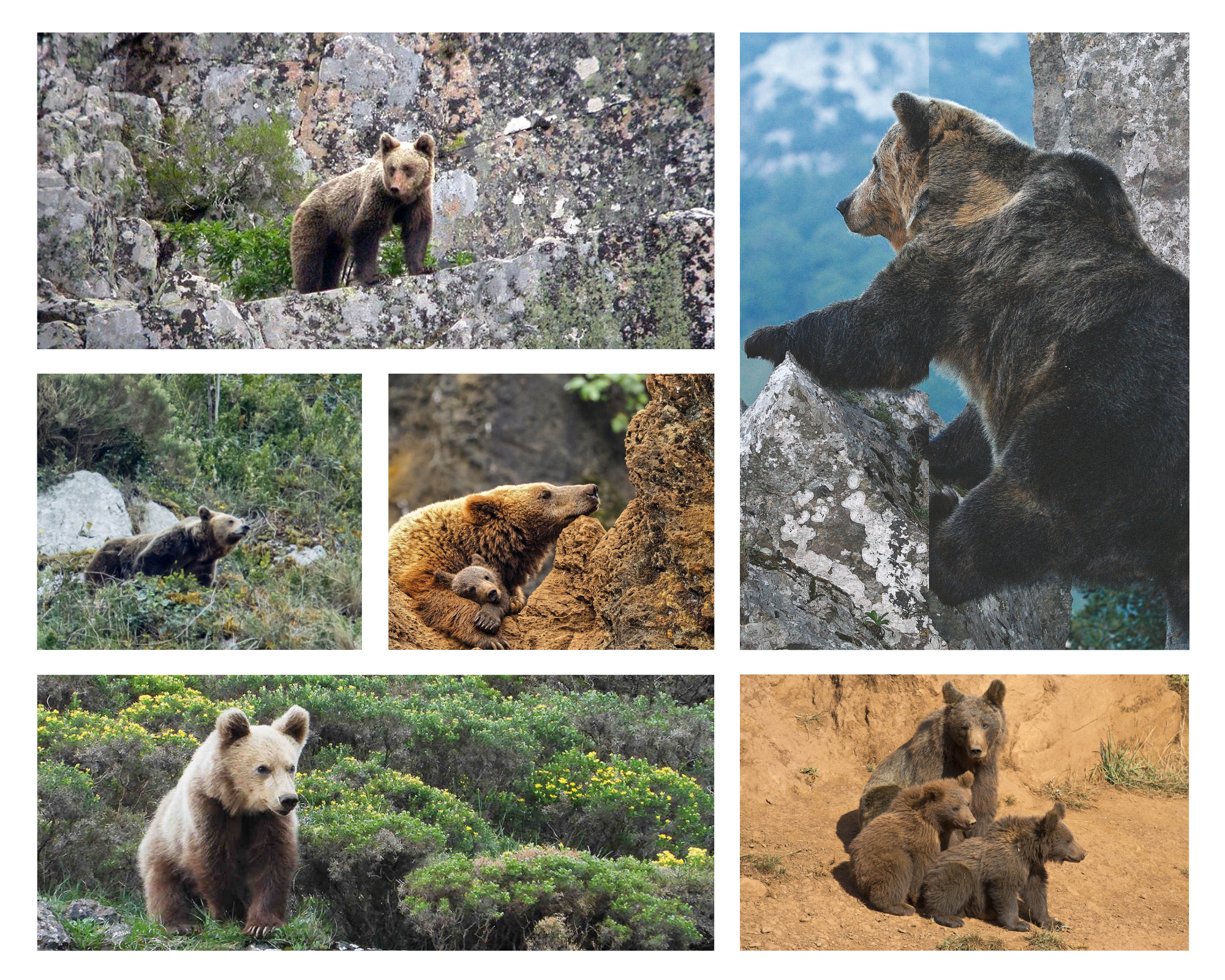
Watching Brown Bears in Somiedo Natural Park
📍 Where: Somiedo Natural Park, Cantabria
The regions of Asturias and Cantabria in the north centre of Spain are known for their Jurassic landscapes and wildlife. Spain’s first national park, Picos de Europa National Park, is home to chamois, ibex, golden eagles, lush alpine scenery and astounding views, making it an exceptional place to hike and spot wildlife.
Here in the Cantabrian Mountains (confusingly in Asturias) jagged limestone peaks, glacial valleys, and dense beech forests provide the perfect environment for brown bears and the UNESCO-listed Somiedo Natural Park shelters one of Europe’s last viable populations of Cantabrian brown bears. Guided treks lead to observation points where bears can be seen foraging in summer meadows and traversing through dramatic limestone peaks and gorges.
- Cost: €60–€80 per person (half-day tours)
- Recommended operators: Fundación Oso Pardo, Somiedo Experience
Birdwatching in Doñana National Park
📍 Where: Doñana National Park in Huelva, Seville, and Cádiz provinces in Western Andalucía
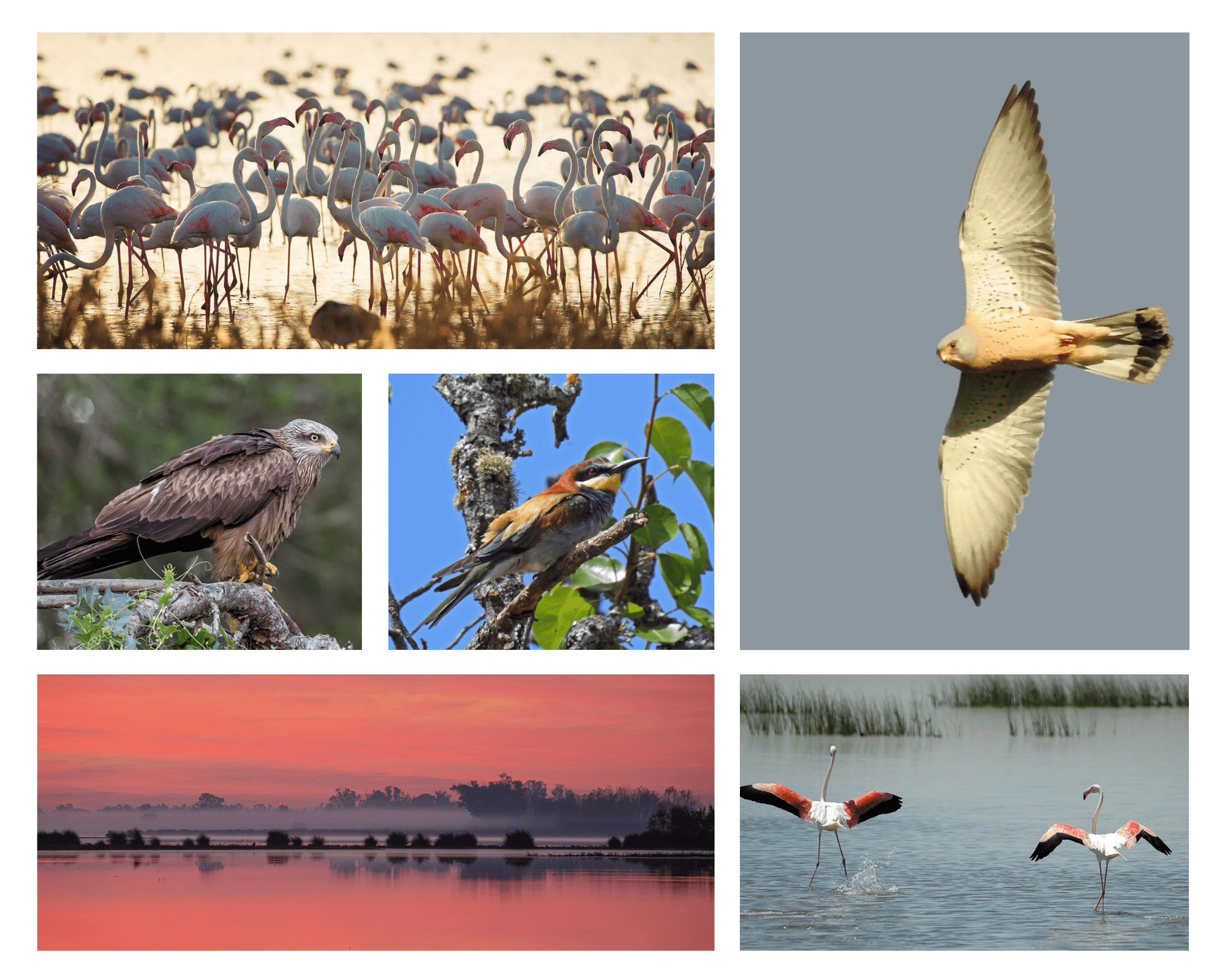
If you’re into birdwatching, there’s no place better in Spain than Doñana National Park, one of Europe’s most important wetlands and a a paradise for birdwatchers. The park is home to endangered Spanish imperial eagles, flocks of flamingos, and countless migratory birds crossing between Africa and Europe. Jeep safaris and walking tours take visitors through marshes, lagoons, and sand dunes. The best time to visit is spring, when birdlife peaks. It is easily accessible via cities like Seville and Cádiz. Jeep safaris or guided birding tours through marshes, dunes, and lagoons.
- Cost: From €35 per person (group tours)
- Recommended operator: Discovering Doñana
Vulture Watching and Feeding in the Pyrenees
📍 Where: Valle de Hecho and Fago to the West of Aragón, and Ordesa and Monte Perdido National Park to the East of Aragón.
On the topic of birds, vultures can be spotted in several parts of the Iberian Peninsula, but one of the very best places is up in Aragón. The Pyrenees are a sanctuary for Europe’s great scavengers. In Ordesa and Monte Perdido National Park, visitors can watch the elusive bearded vulture, or “bone breaker,” soaring across cliffs. In Valle de Hecho and Fago, hides allow close encounters with griffon, Egyptian, and bearded vultures as they descend en masse at feeding stations, a dramatic spectacle and a dream for photographers with guided sessions at special hides for close photography opportunities.
- Cost: €40–€50 per person (guided sessions)
- Recommended operators: Quebrantahuesos Foundation, Vultour Nature
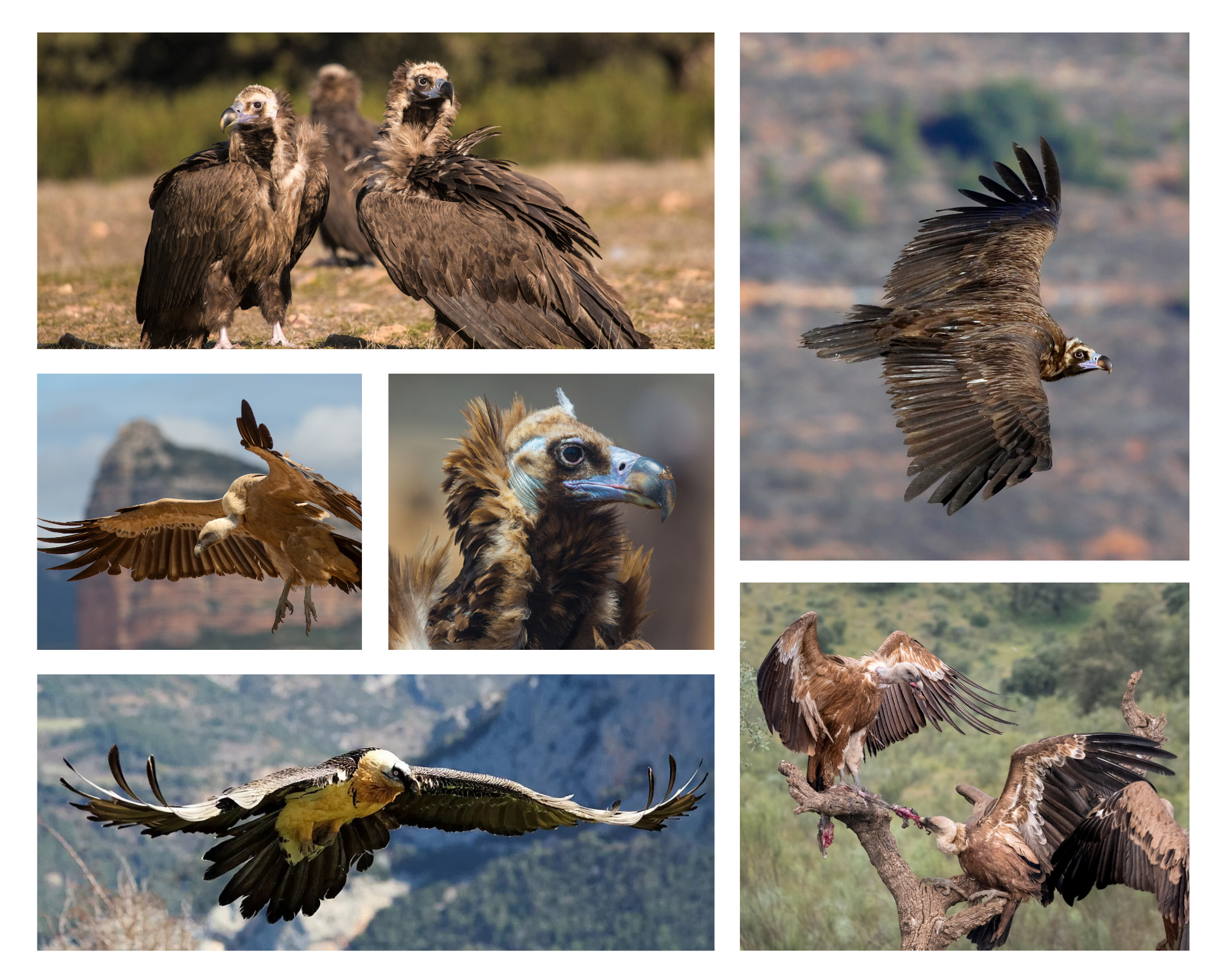
You can also find the biggest colony of Griffon vultures in all Europe at the Hoces del Río Duratón Natural Park just a couple of hours drive from Madrid.
Whale and Dolphin Watching in the Canaries
📍 Where: Costa Adeje and Los Cristianos, Tenerife, Canary Islands
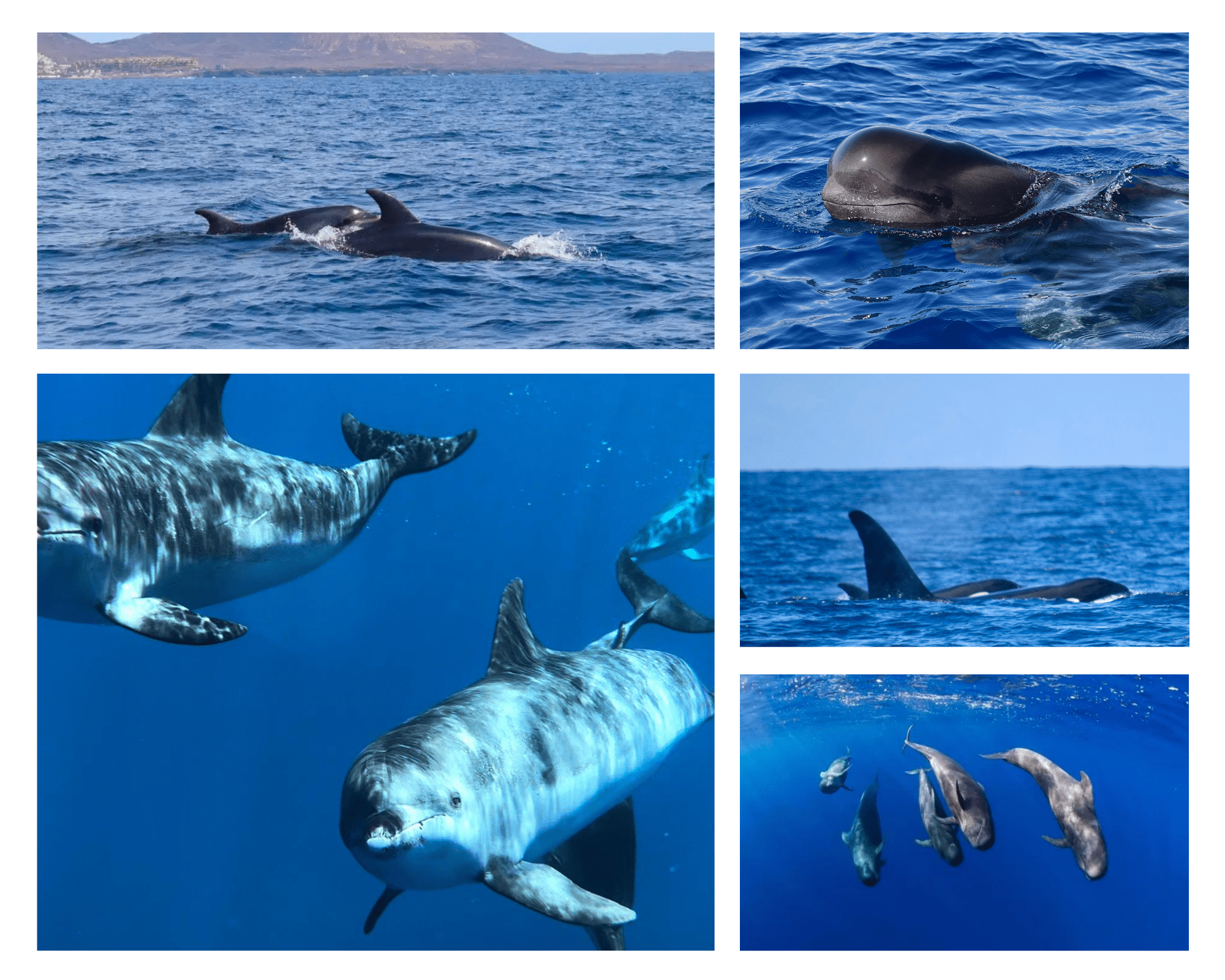
The warm waters between Tenerife and La Gomera are a whale-watching hotspot, home to resident pilot whales and bottlenose dolphins, with seasonal visits from sperm whales and even orcas. Boat tours offer close encounters with these marine giants in their natural environment. Responsible operators ensure minimal disturbance.
- Cost: €25–€50 per person (2–3 hours)
- Recommended operator: Whale Watch Tenerife
Whale Shark Encounters in La Restinga
📍 Where: Marine Reserve of La Restinga, El Hierro, Canary Islands
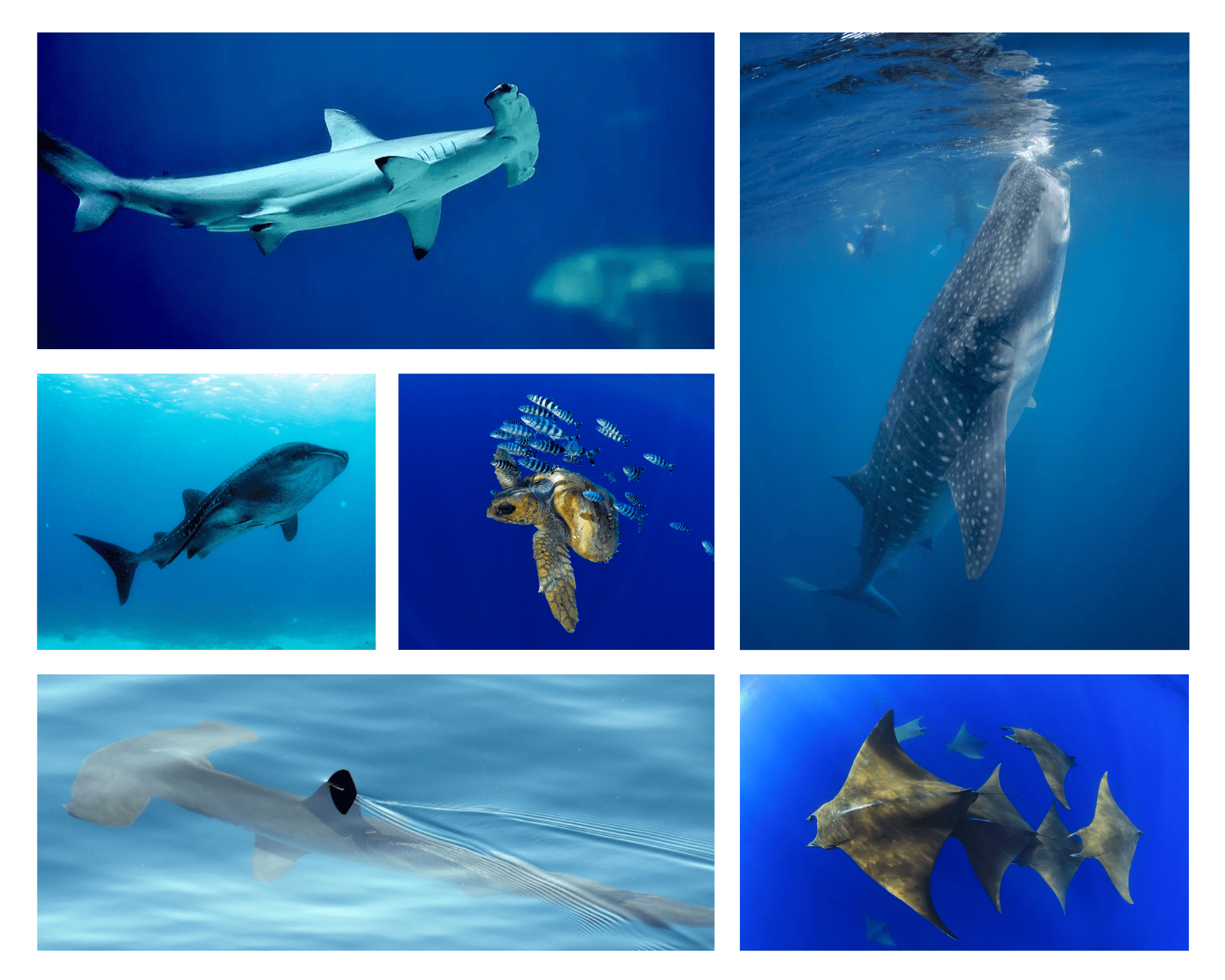
Another incredible aquatic experience can be had around El Hierro, where the island’s volcanic waters are among the richest in the Atlantic, teeming with marine life and drawing whale sharks, hammerheads, manta rays, and an array of tropical fish. In summer and autumn, divers and snorkelers may be lucky enough to swim alongside the gentle whale shark, the world’s largest fish.
- Cost: €60 (dives), €40 (snorkel trips)
- Recommended operator: Centro de Buceo El Hierro
Bird, Butterfly and Orchid Walks in Monfragüe National Park
📍 Where: Monfragüe National Park, Cáceres province, Extremadura
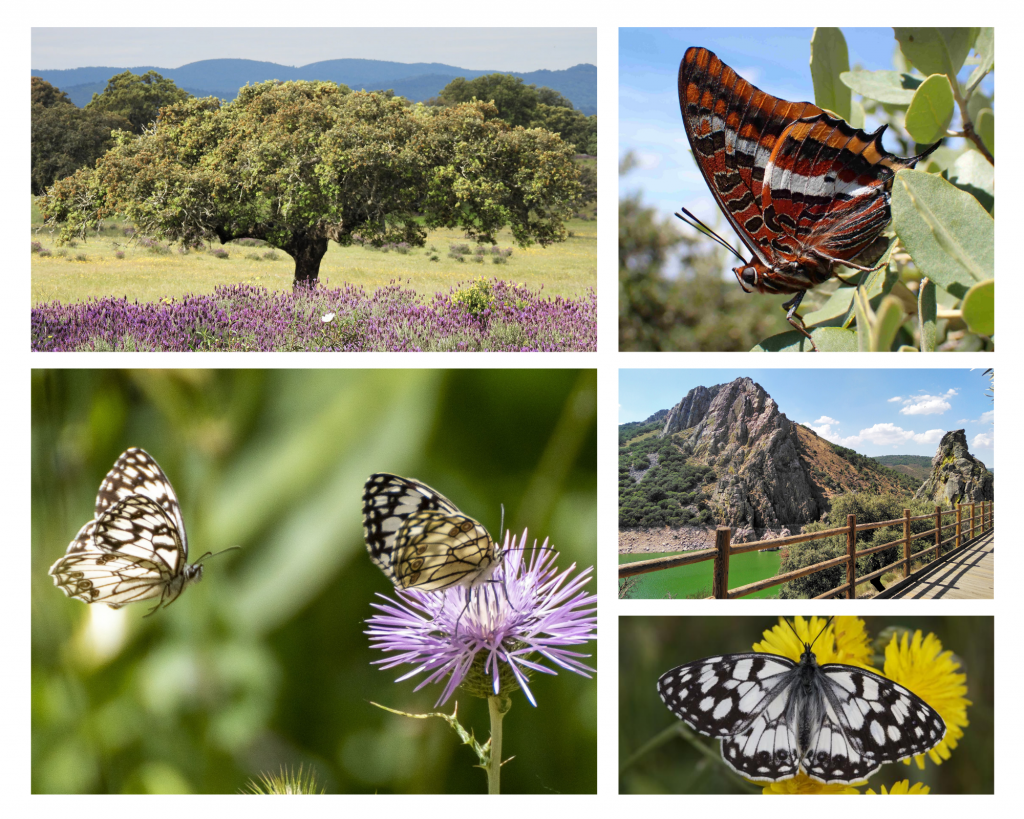
Monfragüe is famous for its cliffs and raptors, from black vultures to Spanish imperial eagles. But in spring and summer, the park blooms with orchids and wildflowers, attracting butterflies in dazzling colours. Guided naturalist walks reveal the full breadth of its biodiversity beyond the soaring birds.
- Cost: From €25 per person
- Recommended operator: Monfragüe Vivo