The largest of Spain’s Canary Islands is an often-overlooked paradise. While its south has become a little too associated with resorts and tourist hubs, much of the island remains strikingly diverse, full of character, and absolutely teeming with raw nature.
At its heart rises the mighty Mount Teide while the lush, misty forests of Anaga sprawl across the north like something out of a fairytale. Along the coast, you’ll find everything from golden beaches and volcanic black-sand coves to dramatic cliffs plunging into the Atlantic. This unique mix of landscapes makes Tenerife the perfect place for a blend of both adventure and relaxation.
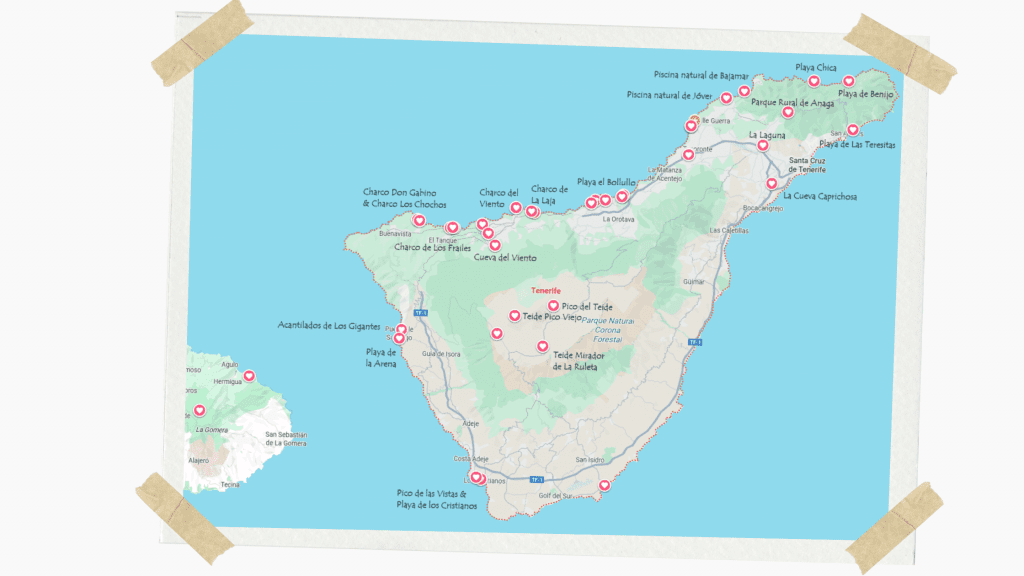
From swimming in wild natural pools to standing atop the tallest point in Spain, here are the very best things to do in Tenerife.
Trekking Teide National Park
Let’s start with the obvious. Tenerife’s most prominent feature is Parque Nacional del Teide. One of the 12 Treasures of Spain, the national park is the island’s crown jewel (and the archipelago’s for that matter).
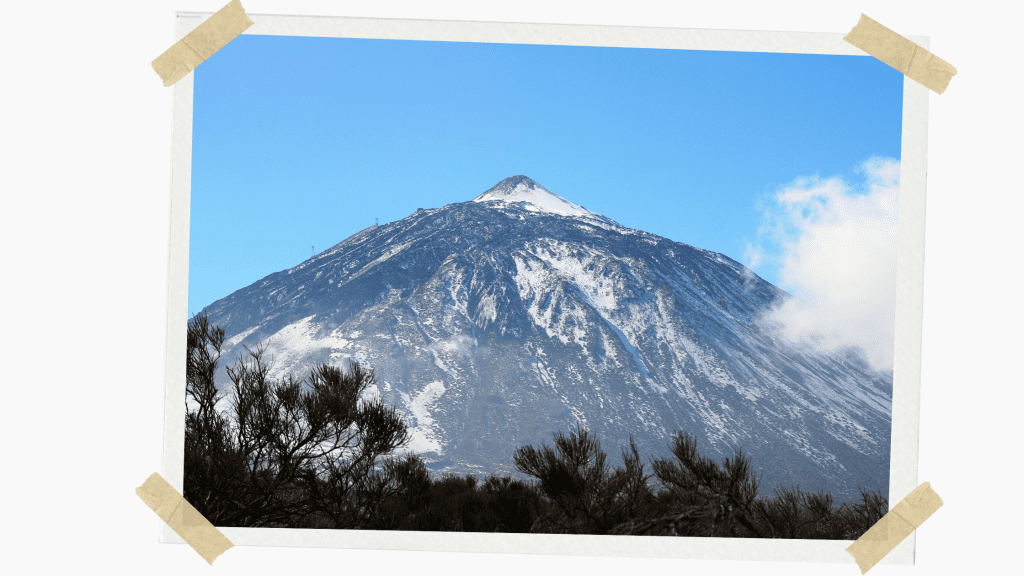
Spanning 18,900 hectares, it offers a range of different trails, with the most challenging being summiting the Pico del Teide itself, Spain’s highest peak.
Towering over 3,700 metres above sea level, this volcano is frequented by visitors trekking its volcanic landscapes and stunning rock formations. It’s technically an active volcano, but hasn’t experienced an eruption for over 100 years (since 1909).
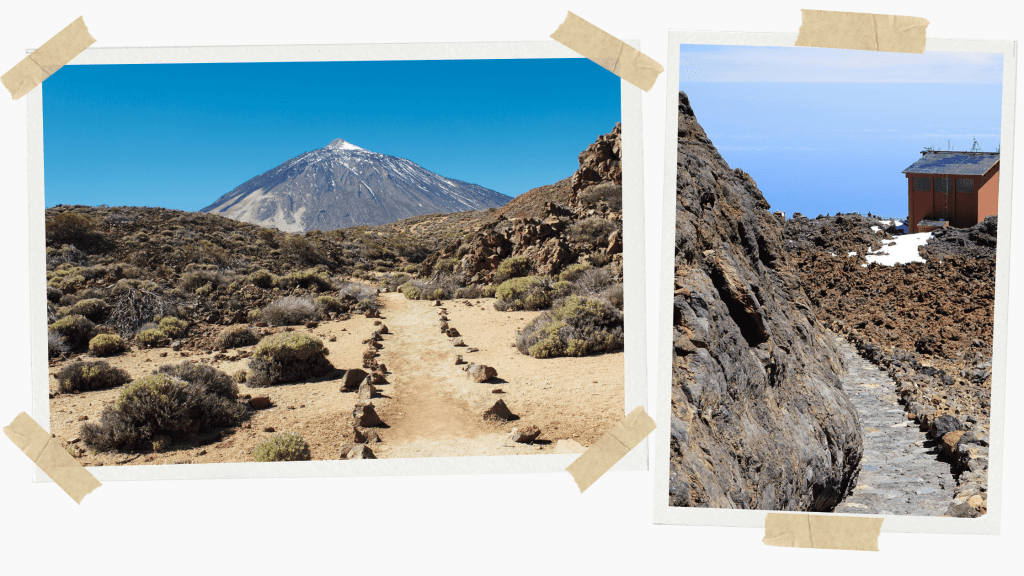
The park is centrally located on Tenerife and can be accessed from the main road TF-21 (Carretera de las Cañadas del Teide), providing access from both El Portillo (north) and Las Cañadas (south). Many take the Teide Cable Car up, which runs from the base to La Rambleta station (3,555 m) in 8 minutes, but exploring the park itself offers the best experience.
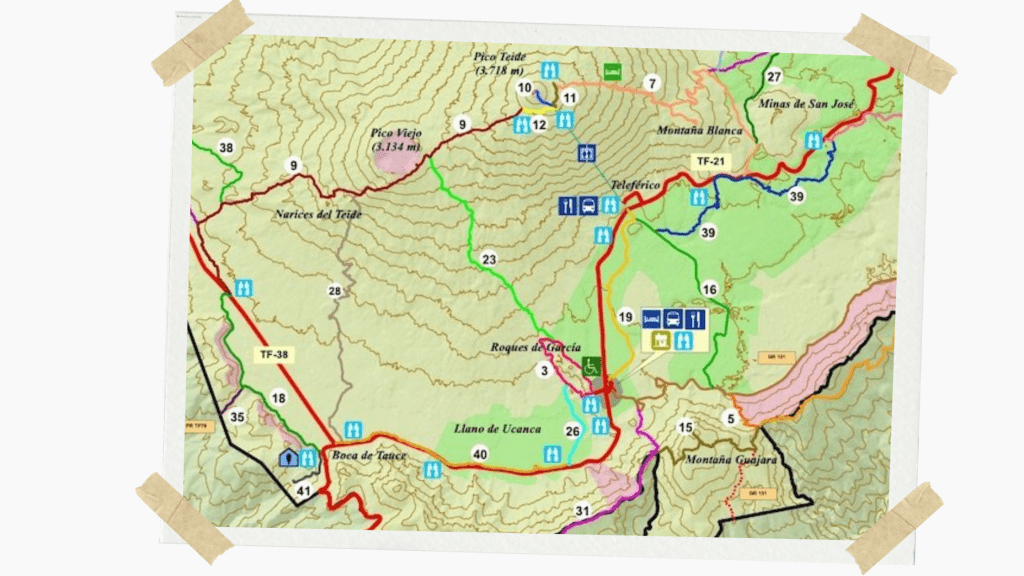
There are 41 hiking trails in the park. It’s recommended to park and start from either the El Portillo Visitor Centre, where you can learn about the park’s geology, history, flora and wander its botanical garden, or from the Parador de Las Cañadas del Teide. Hikes range from challenging to suitable for families.
Here are some recommended trails:
Easy-Moderate Trails
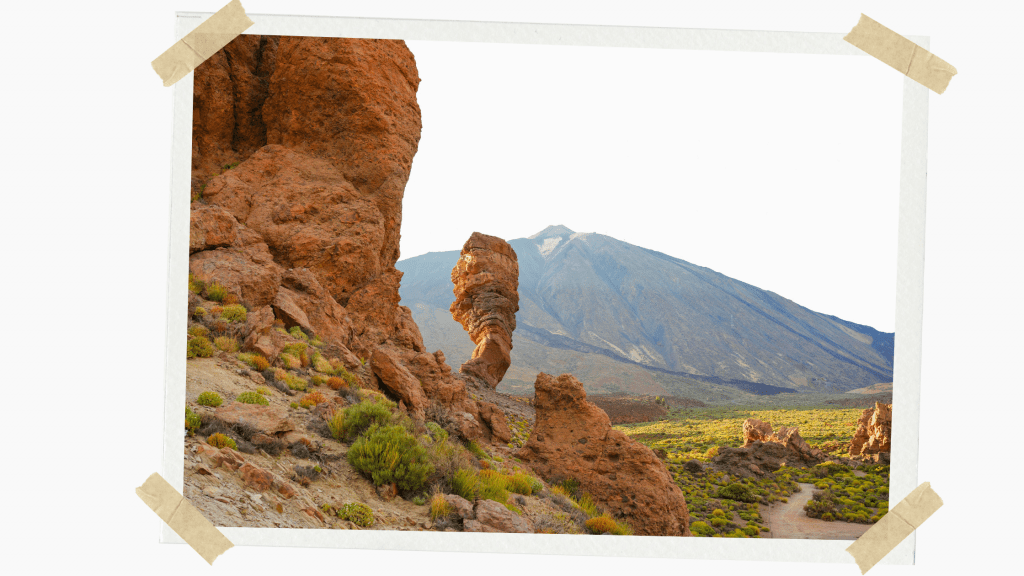
- Roques de García (Trail 3) is an easy, 3.5km circular loop that takes 1.5–2 hrs and has famous rock formations along with great views of Teide. It is the most family-friendly loop.
- Arenas Negras Trail (Trail 6) is another easy option with gentle volcanic slopes. It’s also around a 2-hour 3.5 km circular loop with minor elevation from 2,200–2,400 m (low altitude for Teide).
- The Samara Trail (Trail 13) is a slightly more challenging 5km circuit but still relatively easy, and provides a scenic 1.5–2 hrs walk through pine forests and volcanic landscapes
- La Fortaleza Trail (Trail 1), a 5.3km route from El Portillo to La Fortaleza viewpoint, offers another option that doesn’t present any significant challenges.
More Challenging Trails
Then there are inevitably some challenging trails that should only be attempted if you’re prepared and fit; the top being a combination of Trail 7 and Trail 10.
- Montaña Blanca to La Rambleta (Trail 7) is an 8.3km ascent one-way, so it takes 5-7 hours in total (starting at Montaña Blanca and not the parador). It passes volcanic pumice fields and the Altavista Refuge with a steep climb of about 1,100 metres gain. It is fairly hard but offers a classic route to Teide’s upper slopes with stunning views.
- From there, you then have the final 1.5km stretch, the Telesforo Bravo trail (Trail 10), from La Rambleta to the summit of 3,718 m. This is a steep, exposed, altitude-challenging section which takes between 1 and 2 hours, but you’ll be rewarded with unparalleled views at the top. Note that this section is the only one which requires a permit, easily obtained via the official website.
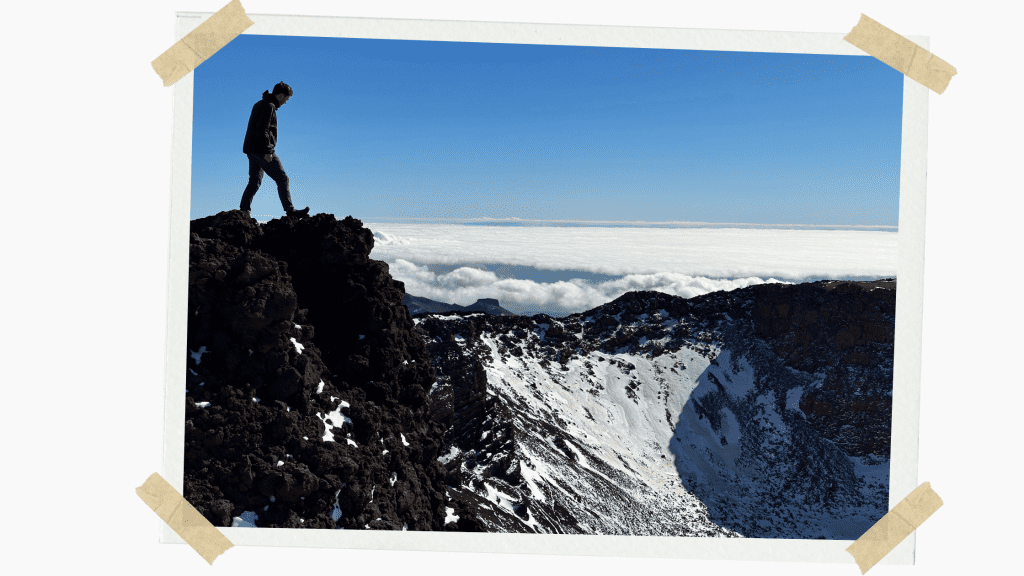
- Another option is the Las Narices del Teide (Trail 9) route to Pico Viejo which is a fairly steep 9–10 km descent taking you down from La Rambleta at 3,555 m and descending toward the Pico Viejo area ~3,135 m. It offers spectacular volcanic landscapes, including the massive Pico Viejo crater.. The terrain is rocky and exposed, with little shade.
My Favourite Trail
My most recommended hike is from the Parador de Cañadas del Teide to Pico Viejo, which combines a few trails.
With this you are able to start with the easy Trail 3 to the Roques de García and enjoy the great views over Llano de Ucanca, including the famous rock formations such as Roque Cinchado, Torreta, and La Cascada, as well as some of the best angles of the peak.
You then join the more challenging Trail 9 to Pico Viejo, which takes you up toward the Pico Viejo crater. This starts at around 2,350 m at the parador and ascends to around 3,135 m at Pico Viejo. We were told that it would be around 7 hours total, but we did it in 4-5 hours.
Beaches
Playa el Bollullo (North)
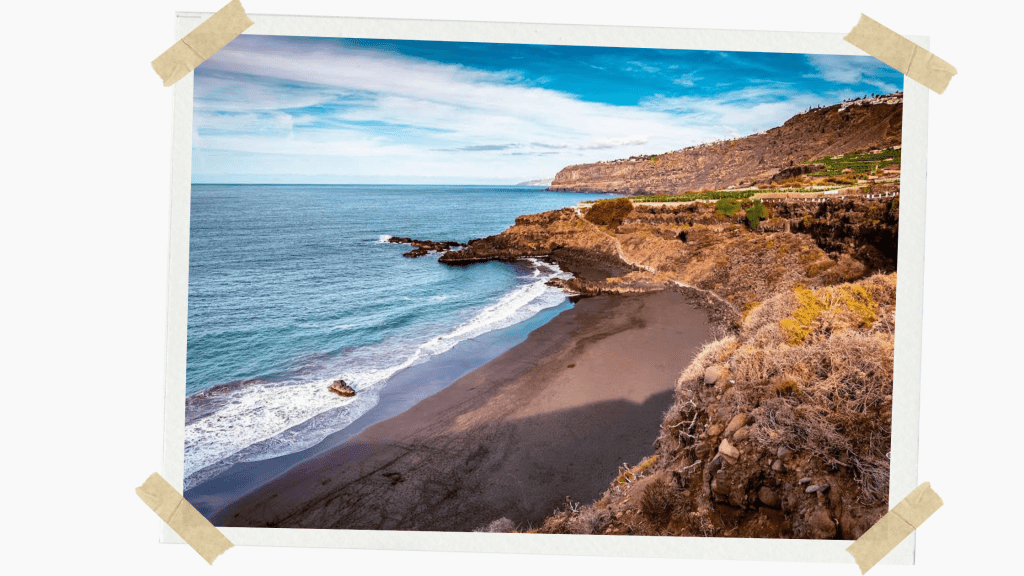
Tucked away from the crowds near Puerto de la Cruz, Playa el Bollullo is a volcanic black sand beach with dramatic scenery and spectacular views. It’s wild and untouched, offering a sun-soaked visit to the beach with a sense of adventure.
Playa el Benijo (North)
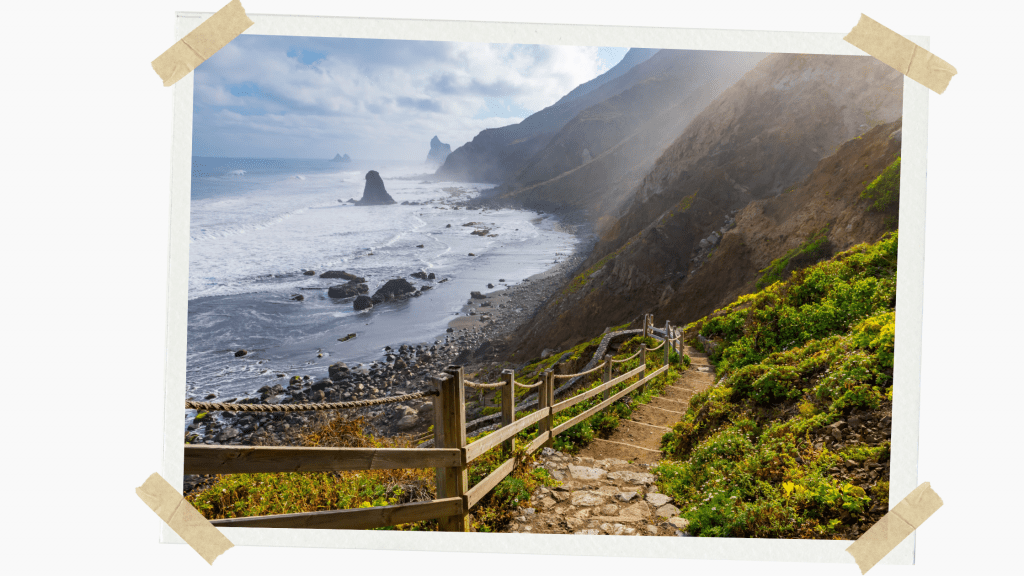
One of Tenerife’s most scenic northern beaches, Playa el Benijo is even more raw than Bollullo, with even more intense black sand and rock formations. There’s a walkway down, making it relatively easy to access, but there’s not as much space on the sand as Bollullo.
Playa de los Teresitas (North East)
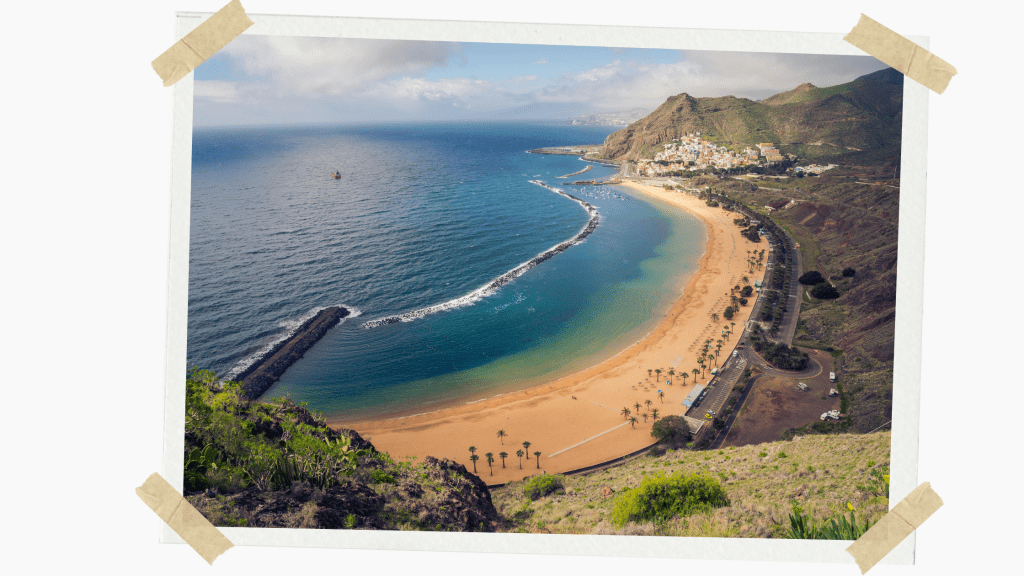
A golden oasis in the northeast, Playa de los Teresitas is one of Tenerife’s most iconic beaches. Imported Sahara sand and palm trees give the beach a bright, tropical feel, and calm waters make it ideal for swimming and family days out. There are beachside cafes too, but far fewer visitors than the beaches of the south.
Playa del Duque (South)
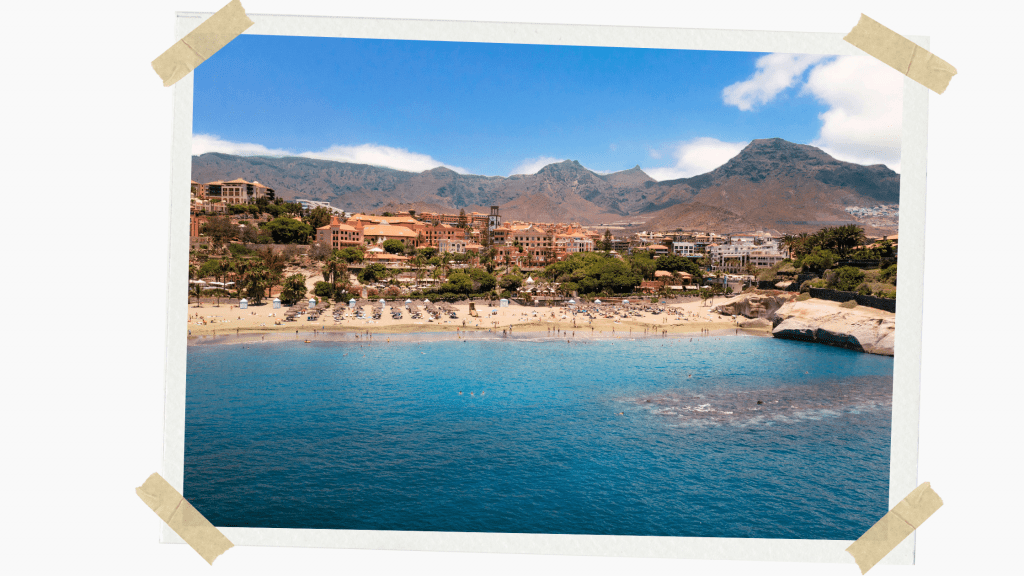
An upscale beach in the south, Playa del Duque offers clear waters, more golden sands, and plenty of nearby amenities. Perfect for a day of sunbathing with luxury shops and restaurants close by if that kind of indulgence floats your boat!
Playa la Tejita (South)
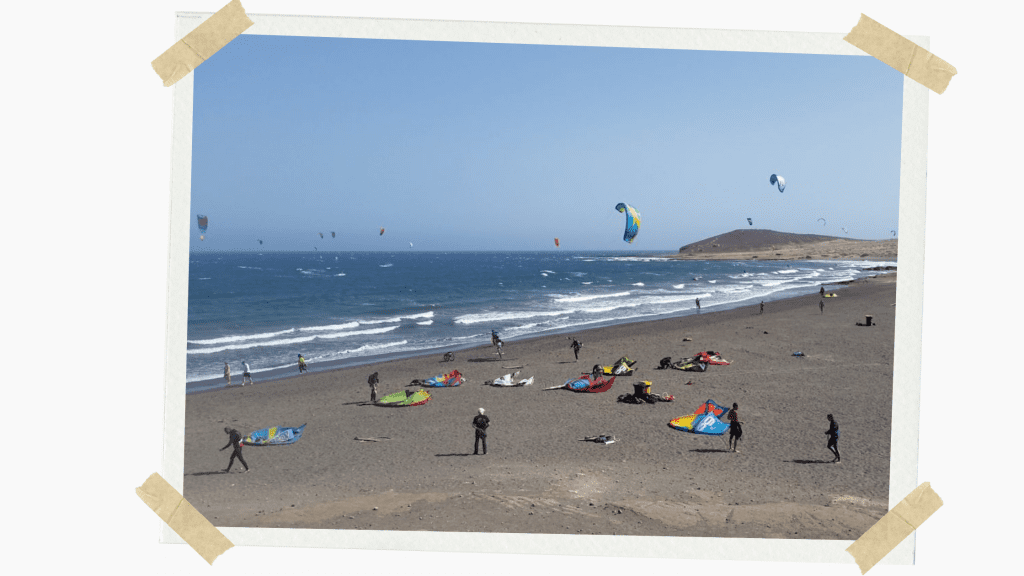
One of Tenerife’s largest natural beaches, Playa la Tejita, stretches beneath the Montaña Roja, a striking red volcanic cone. Its expansive sands and strong Atlantic waves attract windsurfers, kite surfers, and those looking for a more natural, open beach experience.
It’s spacious if you’re looking for space to be active and play volleyball or other sports, though if you want to kick back, sunbathe, and admire the views, there are better beaches.
Charcos & Natural Swimming Spots
Tenerife isn’t just about its beaches, one of its best qualities is its collection of charcos (natural watering holes) and piscinas naturales (natural swimming pools).
Given the island’s consistent warm weather, these make for a refreshing dip and a perfect adventure exploring the various volcanic rock pools formed along the coastline. Be warned that some pools can be dangerous on windy days and high tide.
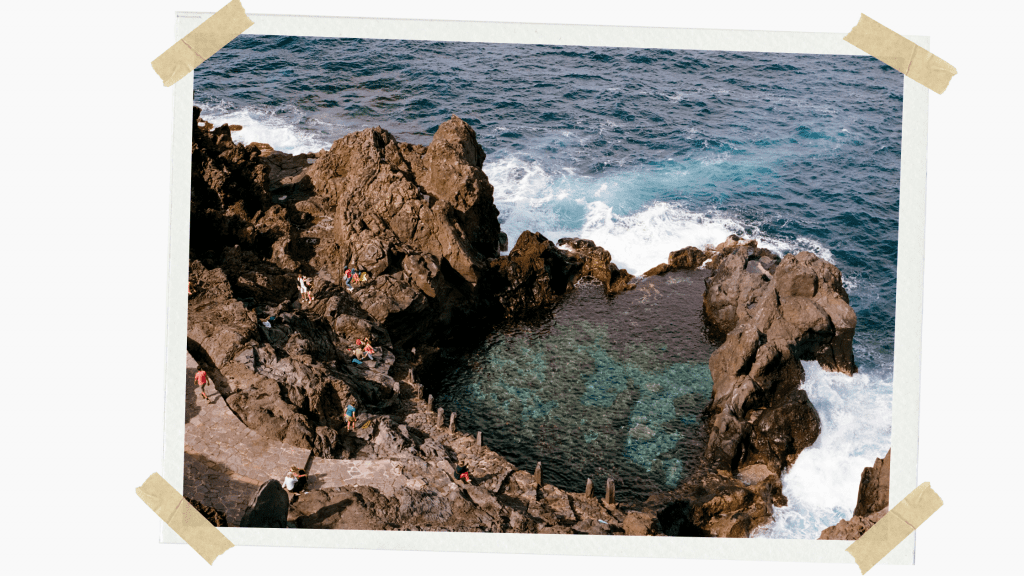
Charco de la Laja (North West)
Nestled in the northwest of the island, Charco de la Laja is a calm, natural pool surrounded by dramatic volcanic cliffs. The crystal-clear water is ideal for swimming, and there’s space to sunbathe and relax. It is quite well protected from the waves and there are stairs down to the charco making it easily accessible.
Charco del Viento (North West)
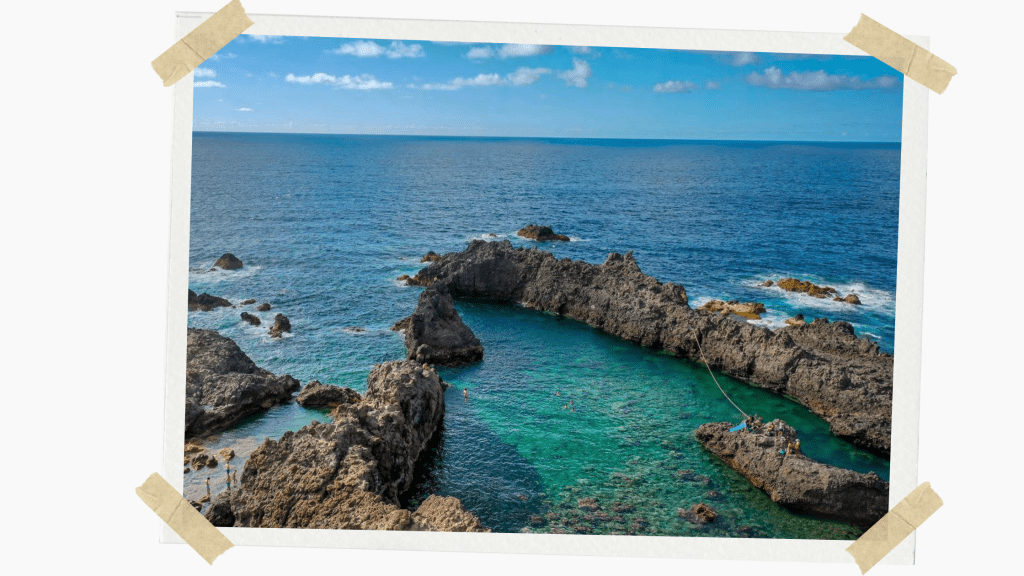
A little further down the northern coast lies Charco del Viento, a striking natural pool that perfectly blends into the volcanic coastline.
Its name, “Pool of the Wind,” hints at the breezy conditions that can sweep across the area, so be careful on certain days, but when the sea is calm, the water is incredibly clear and offers a great place for snorkelling around the unique underwater rock formations.
Charcos de los Abrigos (South)
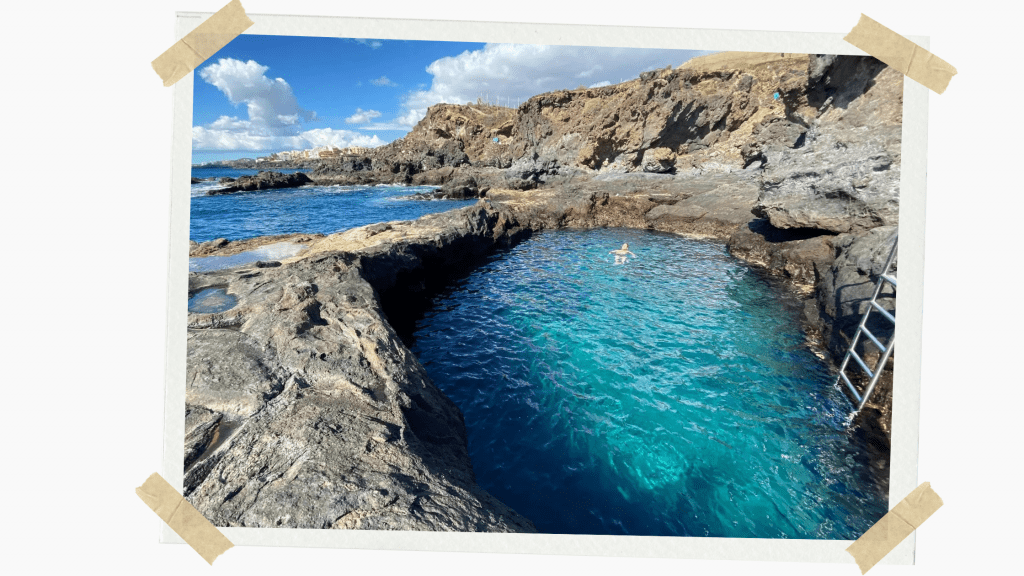
Charcos de los Abrigos is another great charco, this time in the south, tucked away near the small fishing village of Los Abrigos.
This collection of chacos offers a safe and scenic spot for a swim, usually with less powerful wind and waves. Its proximity to the town means you can combine a visit with fresh seafood from local restaurants.
Piscina Natural de Jóver (North)
Back to the north of the island, Jover’s natural pools are a series of volcanic formations that create shallow, clear swimming areas perfect for families. Low waves, sheltered conditions and easy access make it ideal for a relaxed day by the water.
Piscina Natural de Bajamar (North)
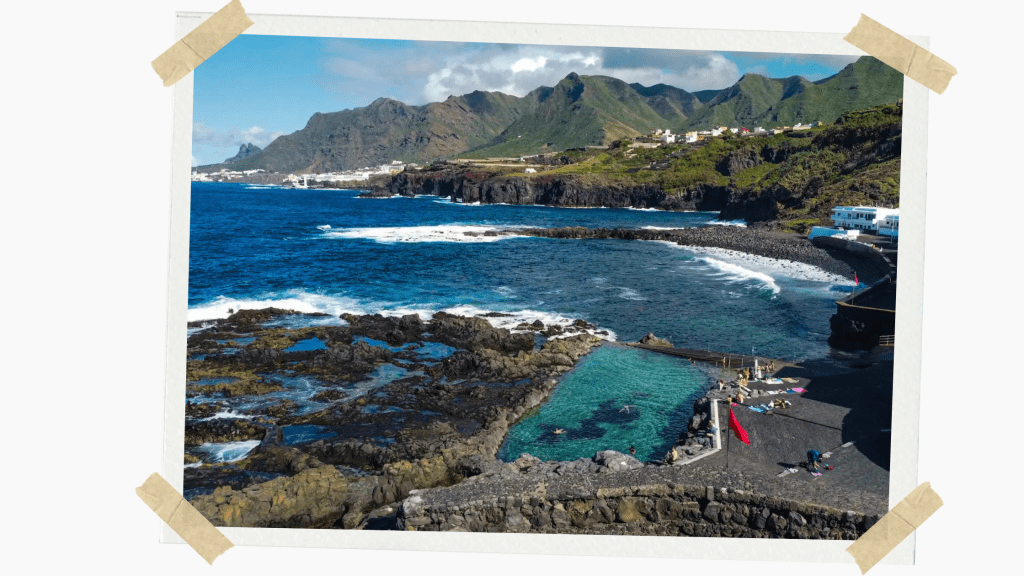
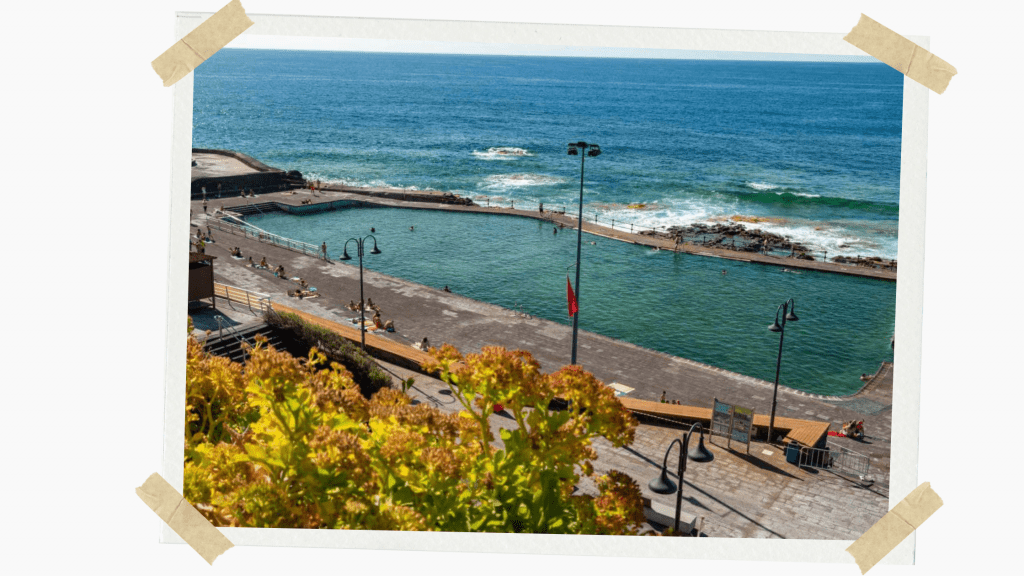
Slightly further up the northern coast, Bajamar has one of the safest natural pools with some amenities if you’re looking for something more akin to your standard modern swimming pool.
It’s a large pool offering safe swimming and stunning coastal views, making it the perfect place to enjoy the ocean without venturing into open water.
Los Gigantes Cliffs
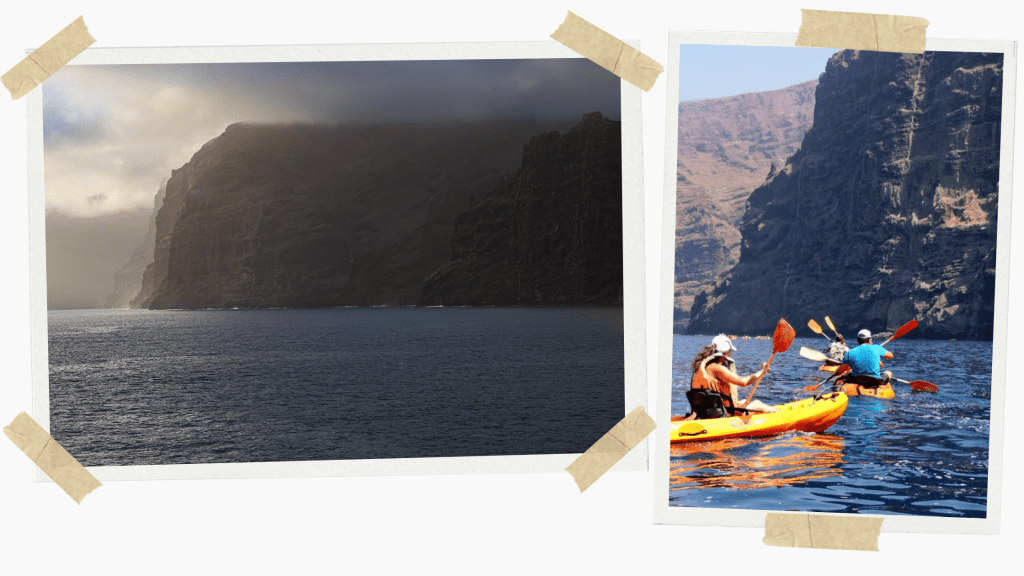
Near the resort town of Los Gigantes on the west coast of Tenerife lie the towering cliffs that gave the town its name. The Acantilados de Los Gigantes (cliffs of the giants) are one of Tenerife’s highlights, rising up 600 meters out of the Atlantic Ocean.
These volcanic walls are awe-inspiring, and boat trips or kayaking excursions offer the chance to see them up close from the water. If you’re lucky, you’ll spot dolphins, pilot whales, sea turtles, and other marine wildlife.
There are also beaches you can access beneath the cliffs with a mix of black sand, pebbles and a stunning backdrop.
Anaga Rural Park
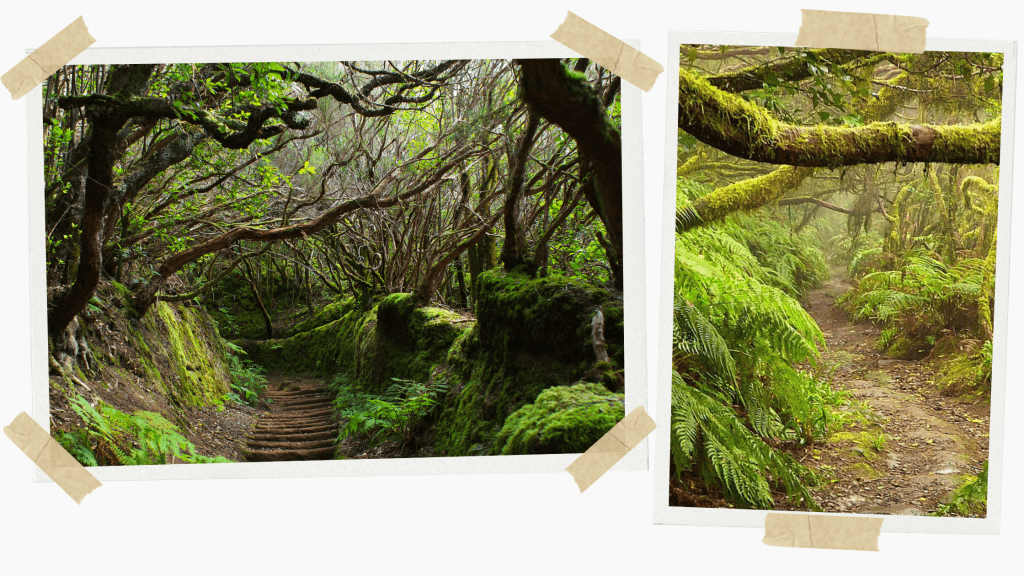
Anaga Rural Park in the north of the island offers a completely different experience from the rest of Tenerife. This UNESCO Biosphere Reserve is the wildest and greenest part of the Canary Islands with misty laurel forests, jagged mountain peaks, and deep ravines, which make you feel as if you’re exploring some kind of ancient landscape.
This ancient forest is a world away from the island’s resorts, and it feels extremely rewarding to be tapping into Tenerife’s raw, untouched beauty.
Well-marked trails lead through lush cloud forest to dramatic coastal viewpoints. The Cruz del Carmen to Chinamada walk is a particular favourite, allowing you to revel in the park’s rich biodiversity and experience the traditional Canarian cave houses carved into cliffs.
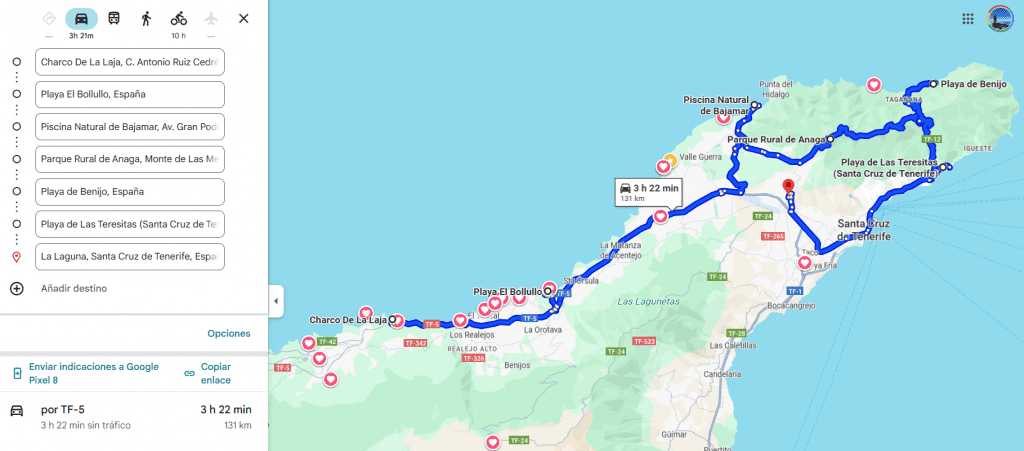
A Perfect Day in the North of Tenerife
(Hiking takes a day in itself, so I’ve left that out and hope you would be doing it on any other free day!)
- Early swim at Charco la Laja
- Spend an hour or two at Playa el Bollullo
- Take a dip at Piscina Natural de Bajamar
- Explore Anaga Rural Park (time depending)
- Venture down to Playa de Benijo
-
Kick back on Playa de Las Teresitas
-
Head to the charming little city of San Cristóbal de La Laguna for dinner (or lunch).