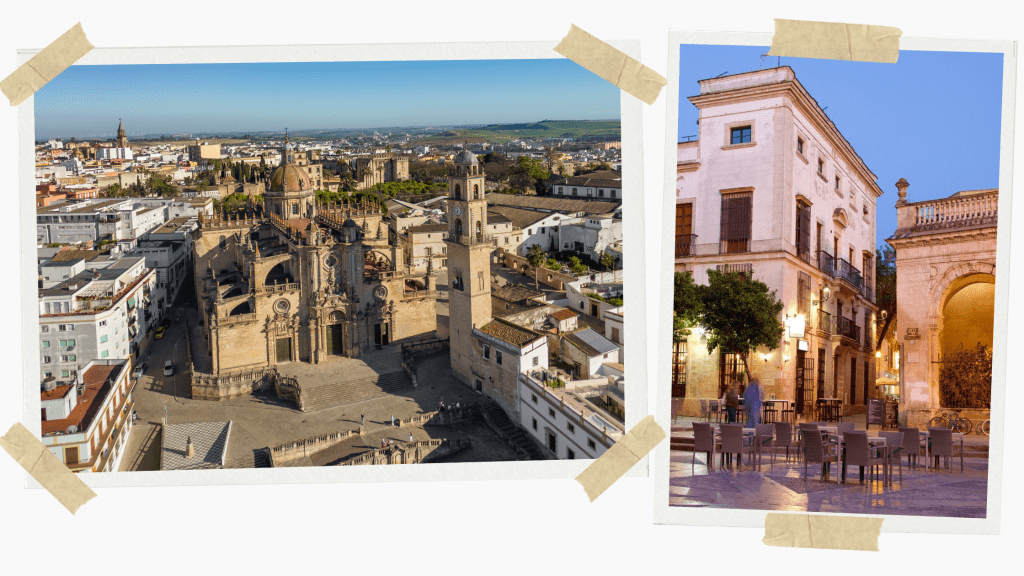
From its palace courtyards and grandiose monuments to its corner bars and bustling plazas, Sevilla is a city that is both effortlessly alive and beautifully intimate.
With its deep flamenco heritage, late-night dining culture, and strong sense of identity, Sevilla offers an unforgettable experience that captures the soul of southern Spain.
There’s so much to see, but luckily it’s all not too far from each other. The best way to enjoy Sevilla is wandering, lingering, and adapting to its pace, so it’s good to see the sights and then go with the flow.
Neighbourhoods & Landmarks
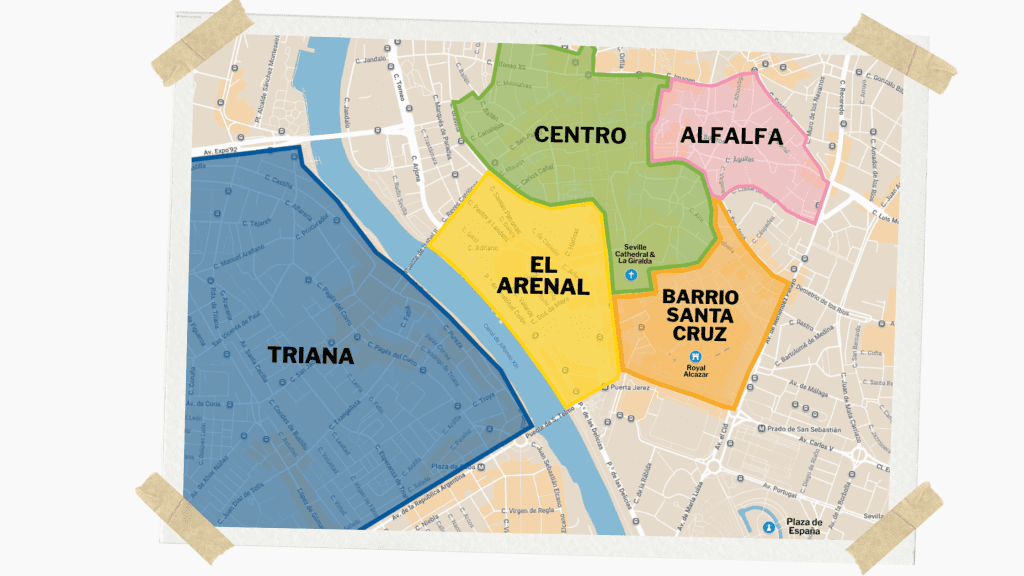
First of all, el Centro is shorthand for Sevilla’s historic core. It isn’t an official barrio, it’s just where everything overlaps so refers to the walking distance between the cathedral, central shops, and the main plazas.
Santa Cruz is Sevilla’s most atmospheric neighbourhood and the historic, postcard part of the city. It’s the former Jewish quarter of narrow lanes and whitewashed houses where streets twist unpredictably, opening onto intimate plazas.
Nearby, El Arenal is the area between the cathedral and the river. Reflecting Sevilla’s Golden Age as a port of the Spanish Empire, it was once home to shipyards and sailors and is now filled with broad streets, taverns, and theatres.
Across the river, Triana has always existed slightly apart from the rest of Sevilla, both geographically and culturally. Historically home to sailors, dockworkers, potters, and flamenco families, it developed a reputation for independence, craft, and strong local pride.
Plaza de España
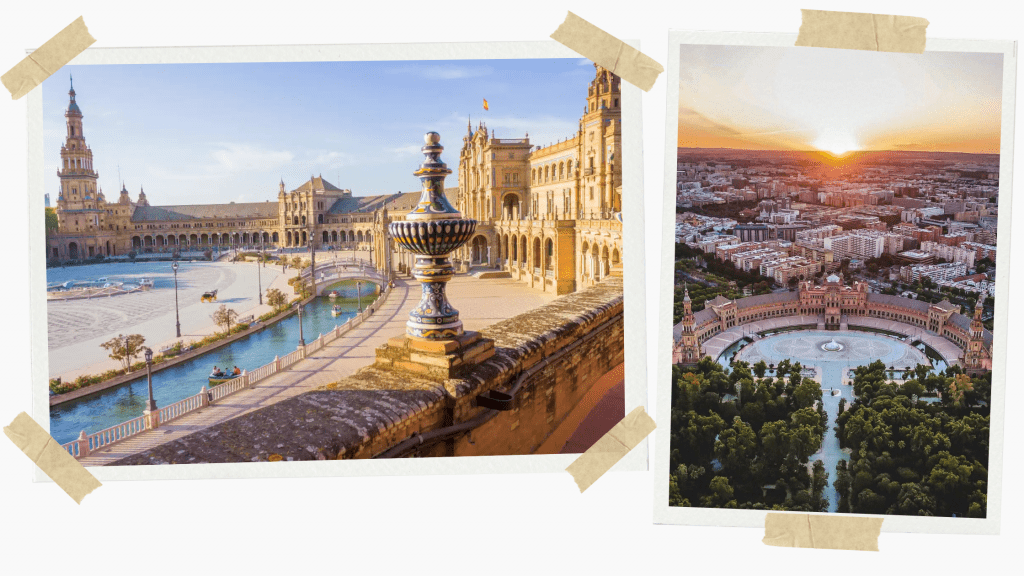
One that is not found slapbang in the centre is Plaza de España, an extraordinary plaza, one of the grandest architectural statements in Spain, and the most impressive of Sevilla’s landmarks.
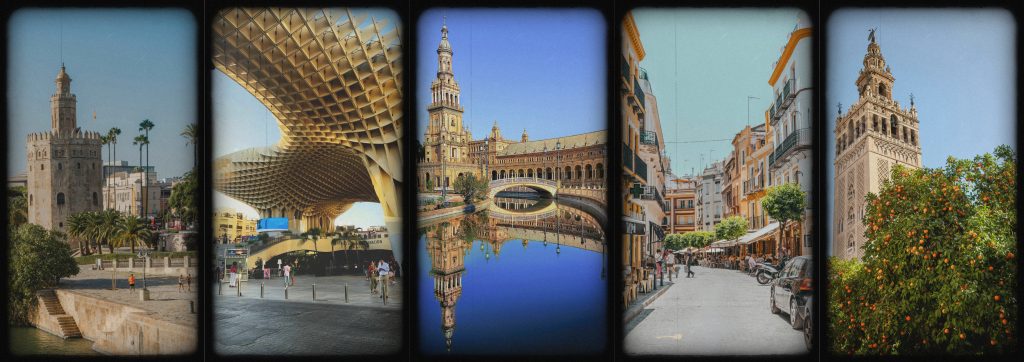
Built for the Ibero-American Exposition of 1929, the vast semicircular plaza features canals, bridges, and vividly tiled azulejo benches representing each of Spain’s provinces with historical scenes, maps, and coats of arms.
A canal runs along the plaza’s inner edge, letting rowboats drift along the water under small bridges, while musicians and flamenco artists perform under the arcades. The vast scale is eased by everyday activity, making it much more than simply a glamorous monument.
While it’s an incredibly picturesque place, it’s also a great place to sit, walk the arcades, watch the afternoon light fall on it and explore the gardens that surround it.
Real Alcázar of Sevilla
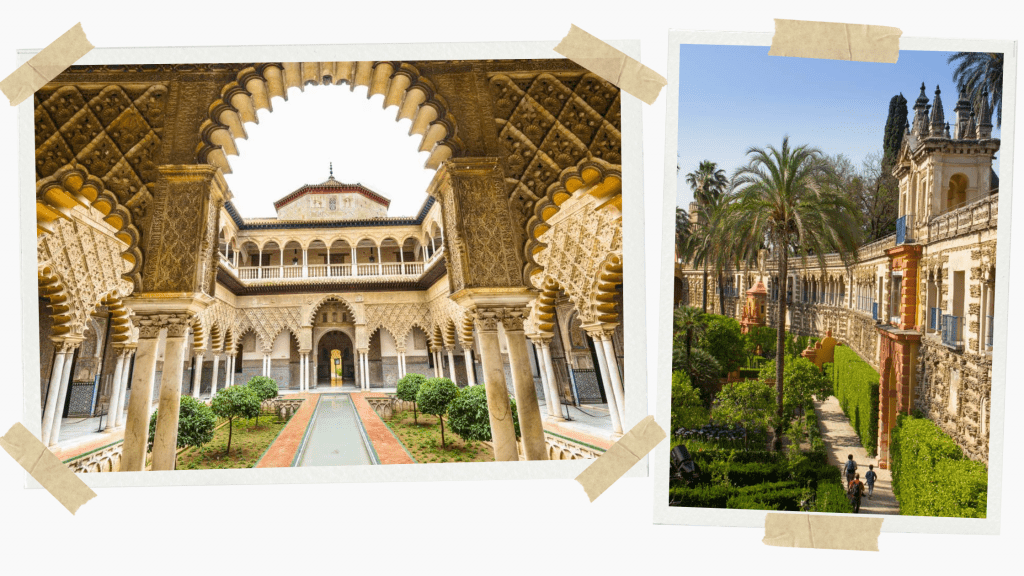
The Real Alcázar is Sevilla’s most layered monument, still used as a royal residence and shaped by centuries of Islamic, Gothic, Renaissance, and Baroque influences. Its Mudéjar palaces, intricate tilework, and serene courtyards reflect Sevilla’s position at the crossroads of cultures.
The gardens stretch on far longer than expected, filled with fountains, shaded paths, and quiet corners. It’s a place that rewards patience and going slow to absorb the history and atmosphere.
Sevilla Cathedral & La Giralda
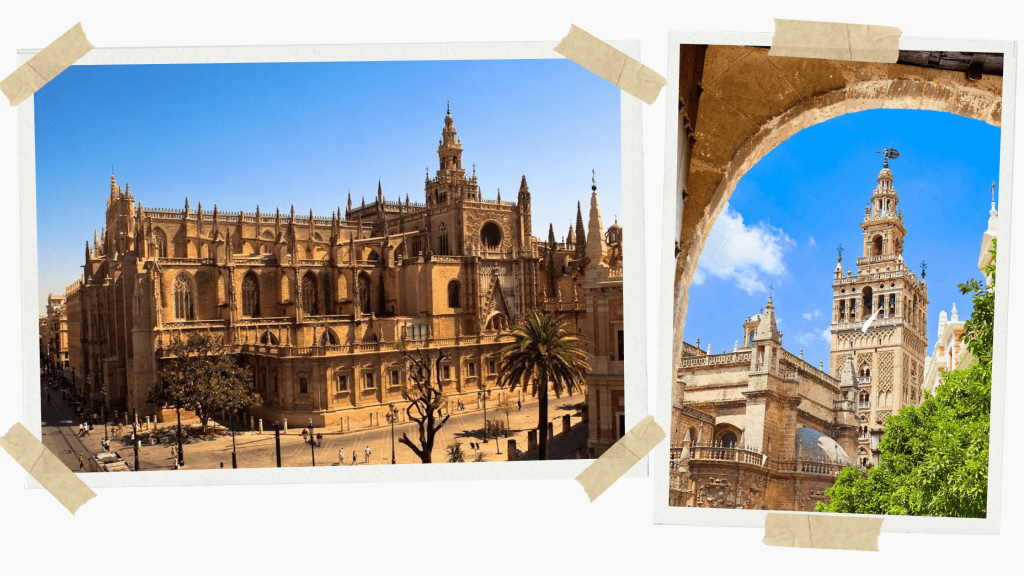
The Catedral de Sevilla dominates the historic centre and reflects the city’s former wealth and ambition. Built on the site of a former mosque, it’s the largest Gothic cathedral in the world, vast in scale but filled with detail, from chapels and artworks to Columbus’s tomb.
La Giralda, the former minaret turned bell tower, is climbed via ramps rather than stairs. The ascent reveals changing views and architectural transitions before opening onto sweeping panoramas over the city.
Torre del Oro
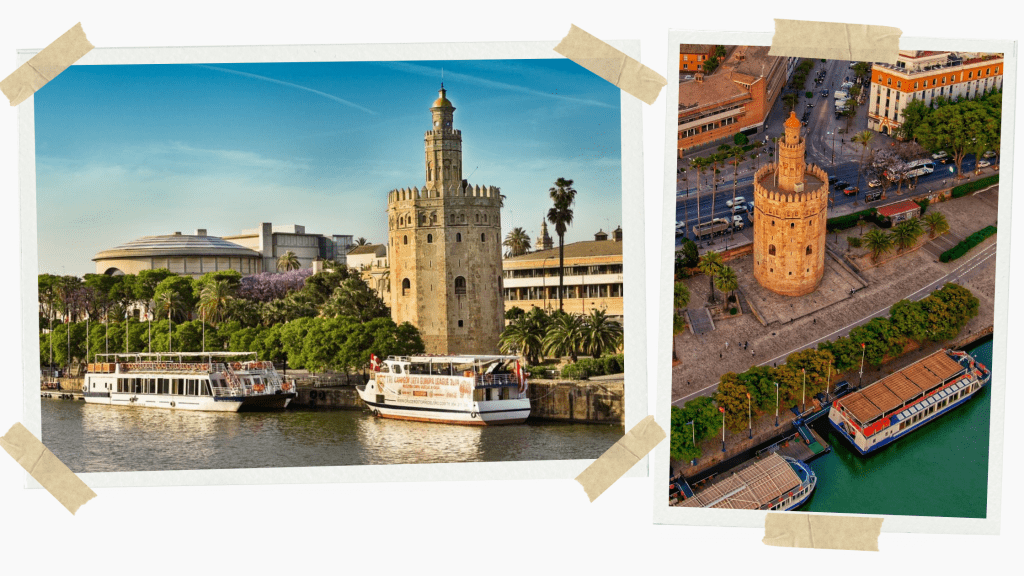
Torre del Oro stands quietly along the Guadalquivir, more understated than Sevilla’s grand monuments but deeply tied to the city’s history. Built in the early 13th century during Almohad rule, the tower formed part of the city’s river defences, controlling access to Sevilla from the water.
Today, Torre del Oro houses a small naval museum detailing Sevilla’s maritime past, including its role as Spain’s primary gateway to the New World. From the top, views stretch along the river toward Triana, but most visitors come to see it more for its symbolic presence rather than for what’s inside.
Torre del Oro works best as part of a riverside walk when the light reflects off the Guadalquivir and the tower feels less like a monument and more like a quiet marker of Sevilla’s long relationship with the river.
Metropol Parasol (Las Setas)
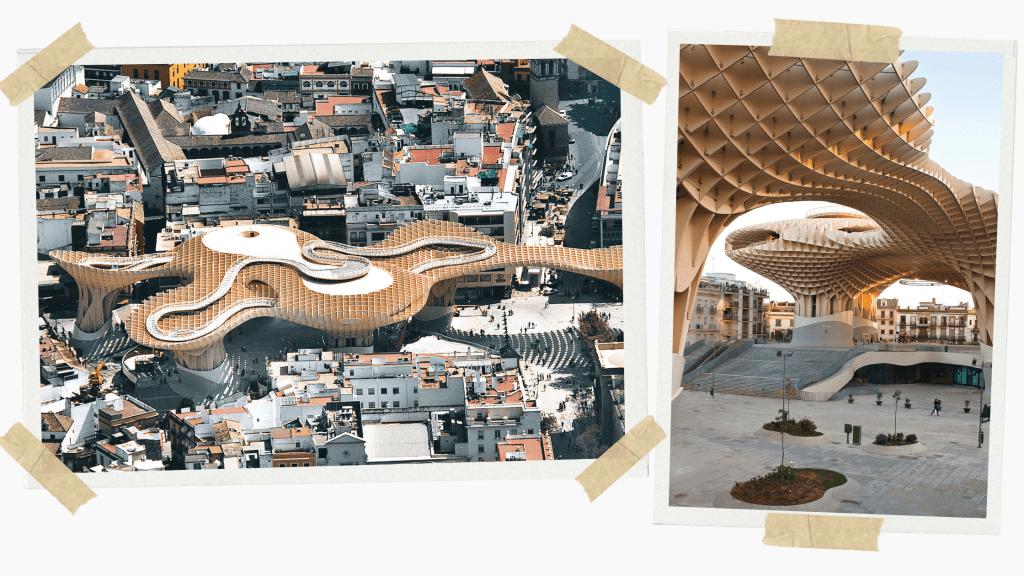
Known locally as Las Setas (“the Mushrooms”), the Metropol Parasol is Sevilla’s most striking modern intervention and one that deliberately contrasts with the city’s historic fabric.
Completed in 2011, it is now one of the largest timber structures in the world and rises above Plaza de la Encarnación, a square that had long been underused before the project reshaped it.
A big draw is its elevated walkway: a gently winding path offering panoramic views over rooftops and churchtowers. At sunset, the experience shifts from architectural curiosity to admiring the warm tones that befall the skyline from above.
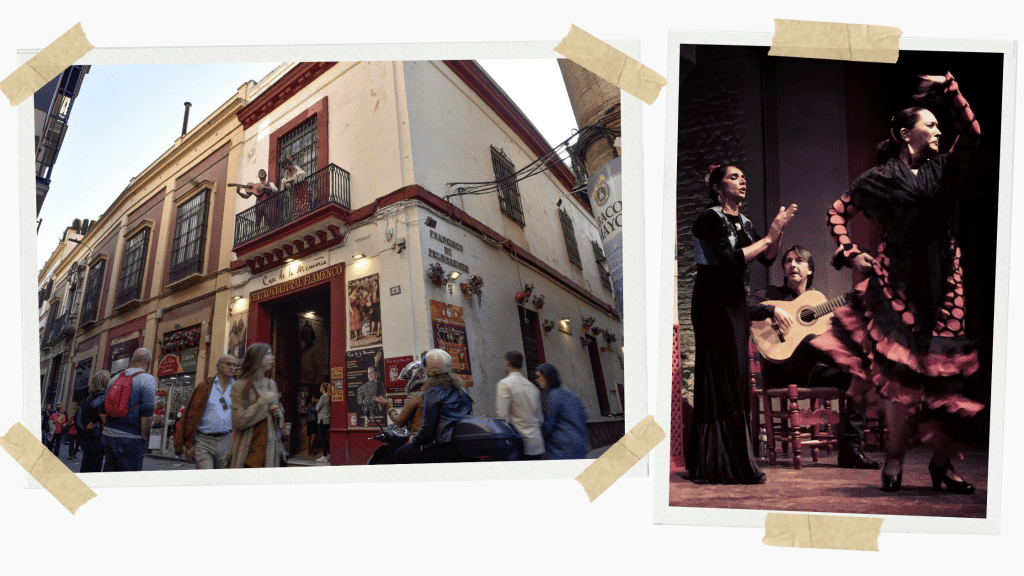
Flamenco at Casa de la Memoria
Flamenco in Sevilla is less a performance and more a language, shaped by voice, rhythm, and emotion rooted in Andalucían, Roma, and Moorish traditions. It grew out of family gatherings and neighbourhood life rather than formal stages. At its core are cante (song), toque (guitar), and baile (dance), but what defines flamenco is intensity rather than spectacle.
You’ll find plenty of places in Sevilla offering flamenco shows and experiences. I would recommend Casa de la Memoria. Set inside a restored 15th-century house near Santa Cruz, performances take place in a very intimate space with no microphones or elaborate staging, just voice, guitar, and dance in their rawest form.
More information here: casadelamemoria.es
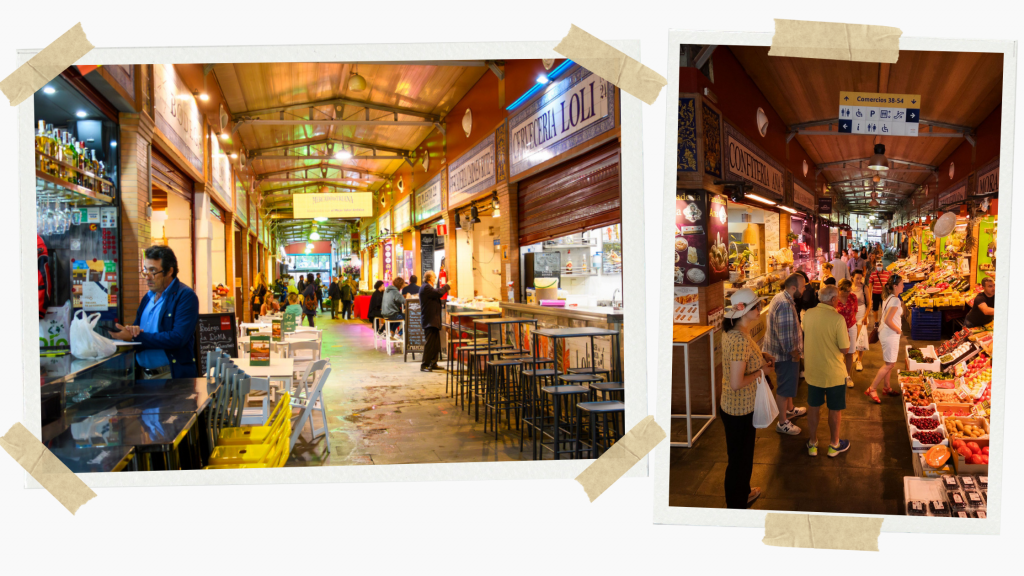
Mercado de Triana
When wandering over to Triana, you should visit the neighbourhood’s main market. Built on the site of the former Castle of San Jorge, once headquarters of the Inquisition, the market layers daily routine over deep history.
Today, it’s where locals come to buy fish, meat, fruit, and bread, but also where they stop to eat, talk, and linger. Small bars and food counters inside the market serve straightforward, well-executed dishes which can be best enjoyed standing with a beer or vermouth.
The atmosphere shifts through the day, from practical and quiet in the morning to social and animated by midday. More than a place to shop, Mercado de Triana functions as a neighbourhood living room, grounding Triana’s identity in food, conversation.
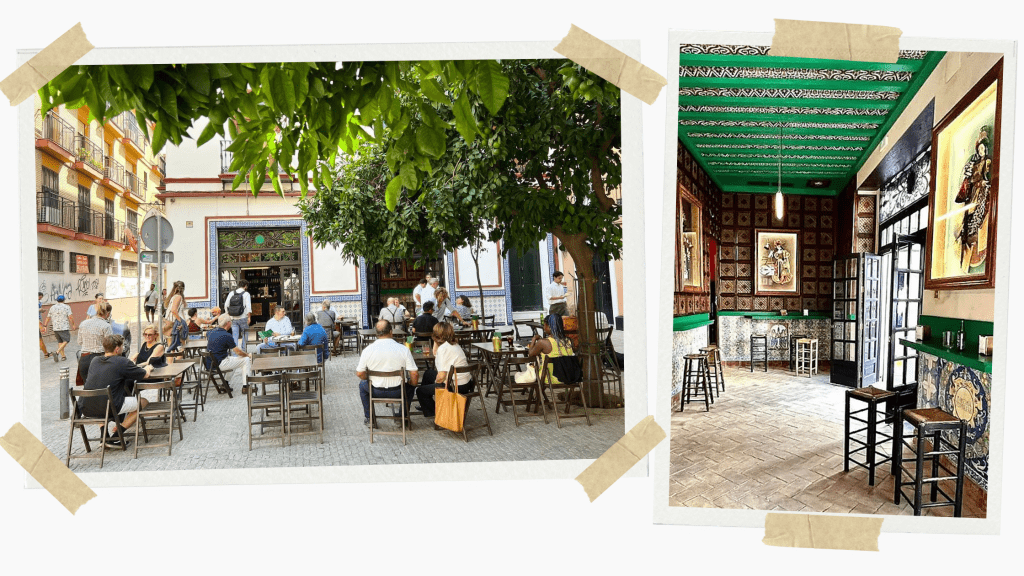
Plaza Zurbarán
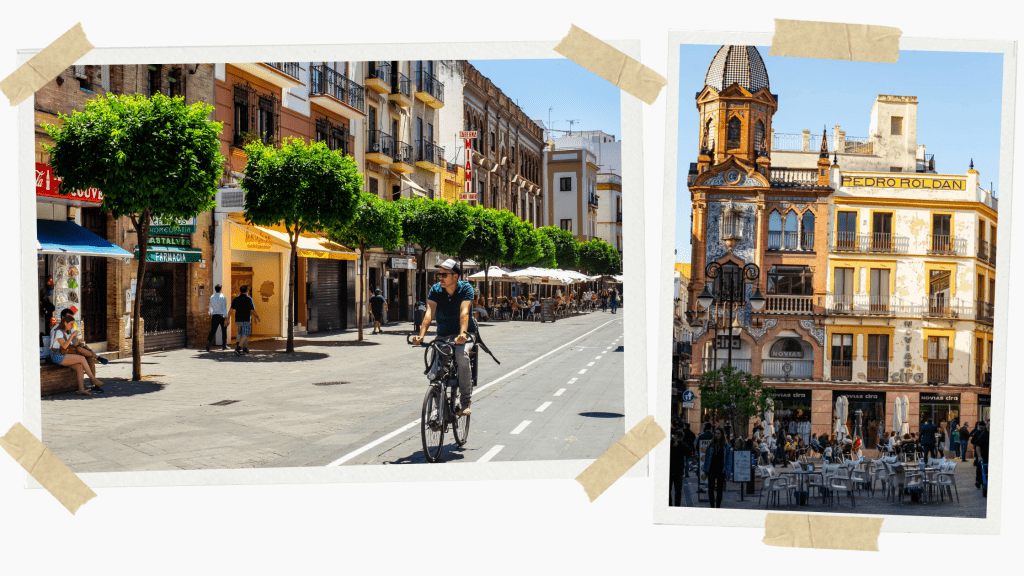
Back in the centre, this might not be a mindblowing must-do activity, but I have found Plaza Zurbarán to be a calm, understated square. It’s the kind of place you stumble upon rather than seek out.
The terrace of Taberna Zurbarán is a nice spot to have a quiet drink, offering a welcome pause from the chaos of Sevilla’s busier streets.
The taberna itself is cosy and well regarded, serving classic tapas and vermouth in a relaxed, unpretentious setting with solid local approval.
Tapeo Bars in Sevilla
Talking of tabernas, Sevilla is one of Europe’s great cities for tapeoing, eating and drinking in stages, often standing, moving from bar to bar.
The sheer number of excellent options can be overwhelming, so I’ve narrowed it down to five standout places that capture different sides of the city’s bar culture.
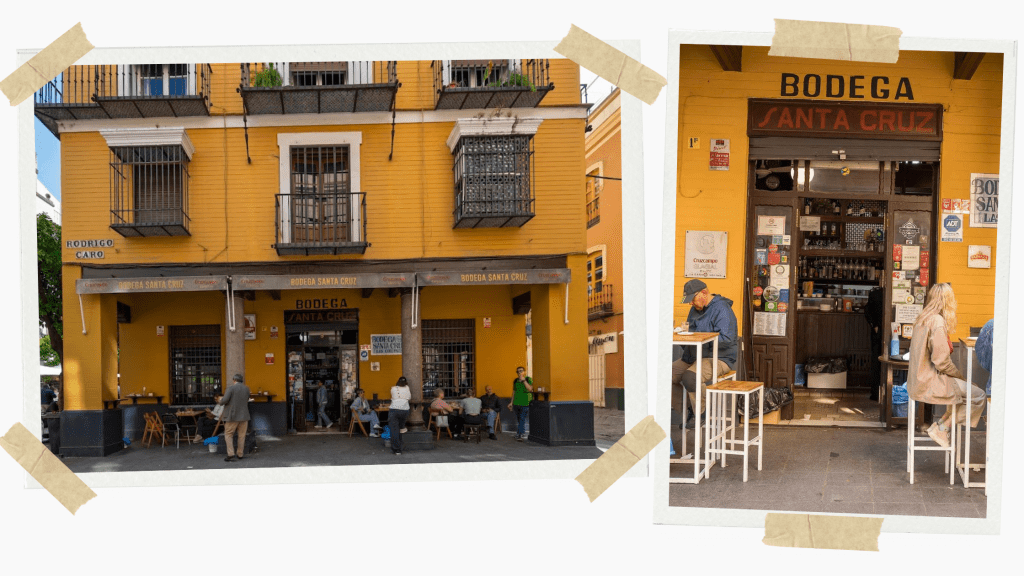
Bodega Santa Cruz Las Columnas
This is a Sevillian tapeo at its most energetic. Just off Santa Cruz, Las Columnas is famous for its old-world atmosphere, chalk-tally orders scribbled directly onto the bar, and a constant hum of conversation.
It’s lively, crowded, and unapologetically informal. Classic tapas like pringá and cazón en adobo are what you come for, along with the experience of standing shoulder to shoulder with locals and visitors alike.
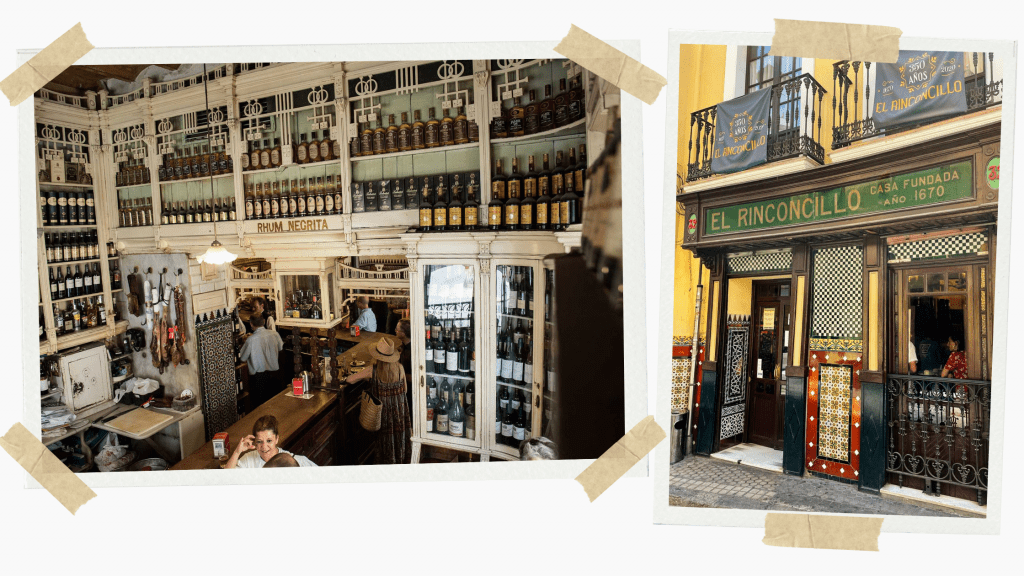
El Rinconcillo
Often cited as the oldest bar in Sevilla, founded in 1670, El Rinconcillo carries its history lightly. Behind the traditional interior and hanging hams is a still-functioning neighbourhood bar serving a wide range of classic dishes.
The front bar area is lively and fast-paced, while the back rooms allow for a more relaxed, seated experience. It’s traditional without being frozen in time, and deservedly one of the city’s most referenced institutions.
Bar Ajo&Agua
Ajo&Agua is smaller, quieter, and more food-focused than the classic taberna model. Sitting modestly on a corner, it offers a creative, contemporary take on tapas without losing sight of Andalucían flavours.
The menu changes, the execution is thoughtful, and the overall experience feels intentional rather than chaotic. It’s an excellent choice if you want a couple of glasses of wine and a snack as well as something a little different.
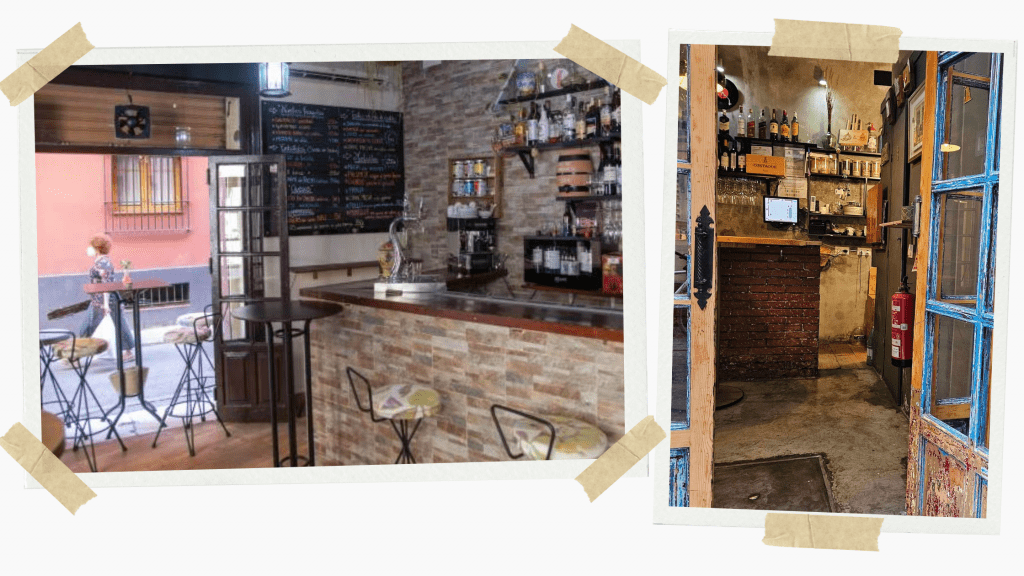
Bar Postiguillo Tapas
Bar Postiguillo is a dependable, well-liked tapas bar that balances quality and atmosphere. It’s lively without being overwhelming and offers solid, familiar dishes done well.
This is the kind of place you might drop into spontaneously and end up staying longer than planned, a reliable stop during an evening of wandering the centre.
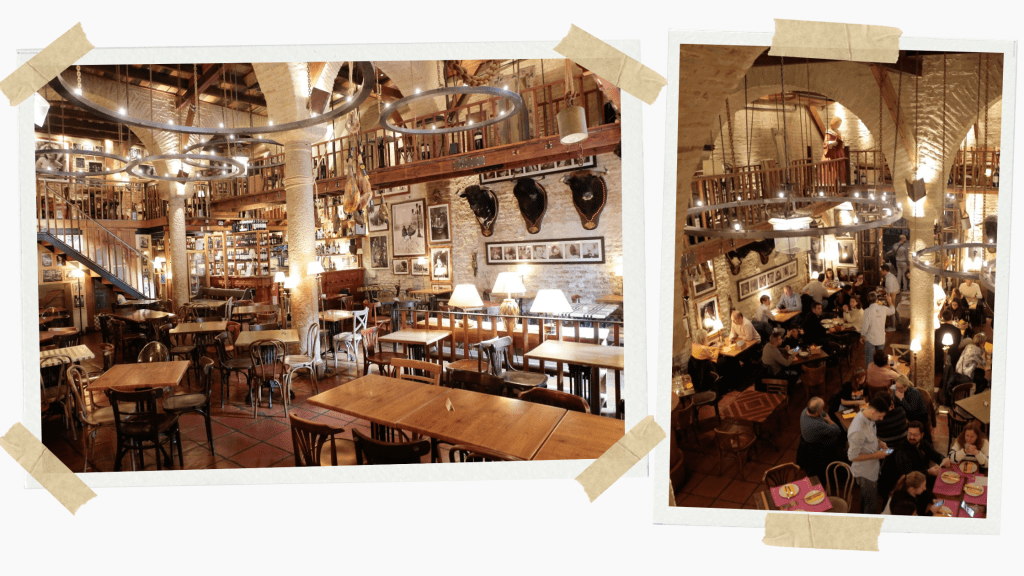
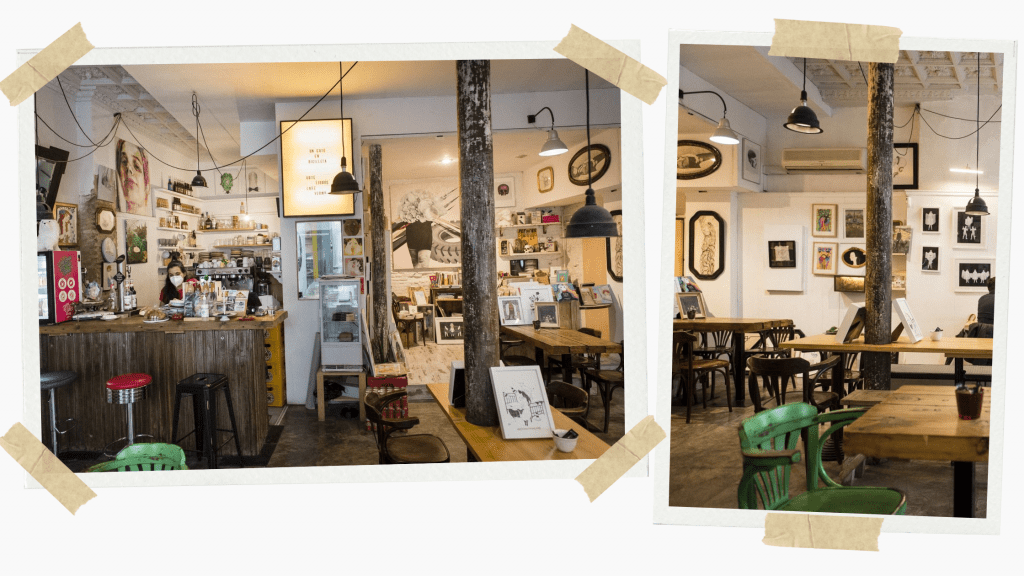
La Gata en Bicicleta
Personally, I like this place because it is a little different from others. More of a casual café/art-bar style spot, La Gata en Bicicleta makes a nice change if you’ve spent plenty of time in crowded tabernas.
It is great for breakfast, coffee, vermouth, or light bites rather than classic tapas and attracts a creative, relaxed crowd.
Honorary mentions: Casa Moreno, Bodega La Aurora, and La Bodega de la Alfalfa are all excellent, traditional stops that are worth working into a longer tapeo route.
Restaurants in Sevilla
Beyond bars and tabernas, Sevilla also has a strong restaurant scene that ranges from deeply traditional to confidently modern.
At the top end, Abantal and Cañabota are widely regarded as the city’s most acclaimed Michelin-starred restaurants. Both offer refined, ingredient-led cuisine and tasting menus that come at a high price, making them best reserved for special occasions.
For excellent meals at more approachable prices, these three stand out:
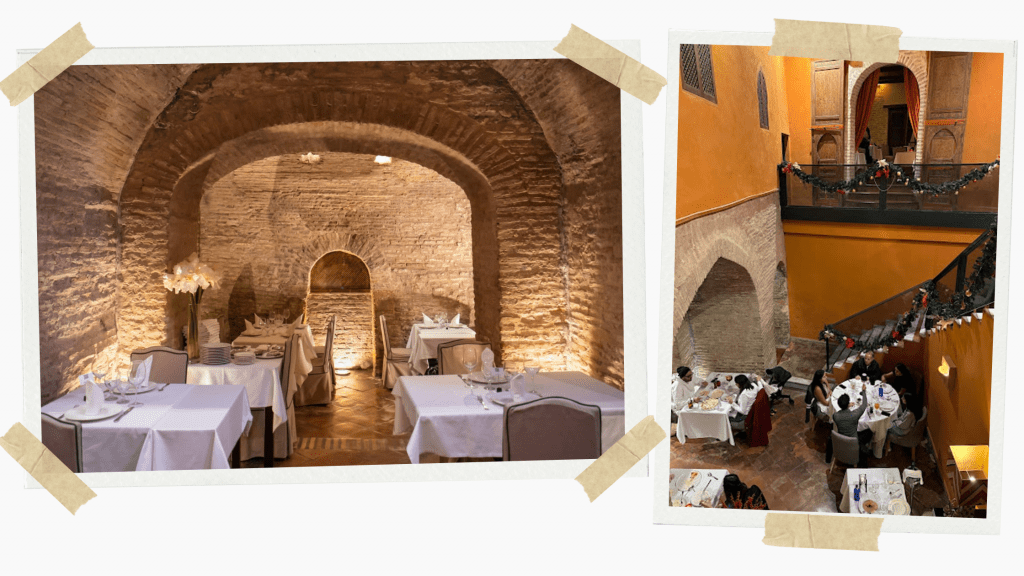
Restaurante San Marco Santa Cruz
Set inside beautifully preserved 12th-century Arab baths, San Marco Santa Cruz offers one of Sevilla’s most atmospheric dining rooms.
The setting alone makes it memorable, and while the menu leans Italian rather than Andalucían, the experience feels genuinely unique within the city.
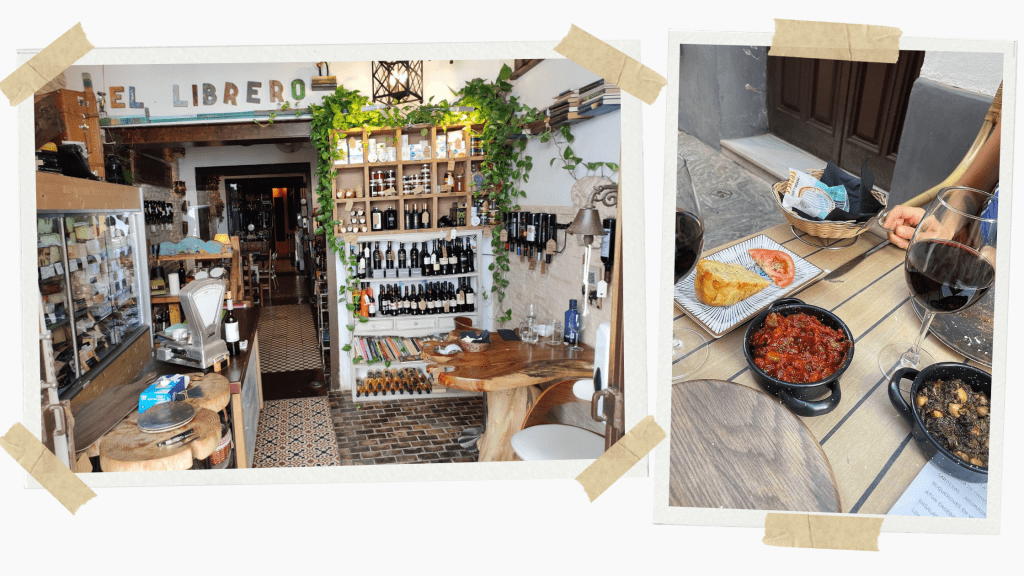
El Librero Tapas y Quesos
A local favourite that bridges the gap between bar and restaurant. El Librero focuses on high-quality ingredients, especially cheeses, and pairs them with a thoughtful wine list.
The atmosphere is calm and conversational, making it a good option if you want to sit, talk, and eat well without formality.
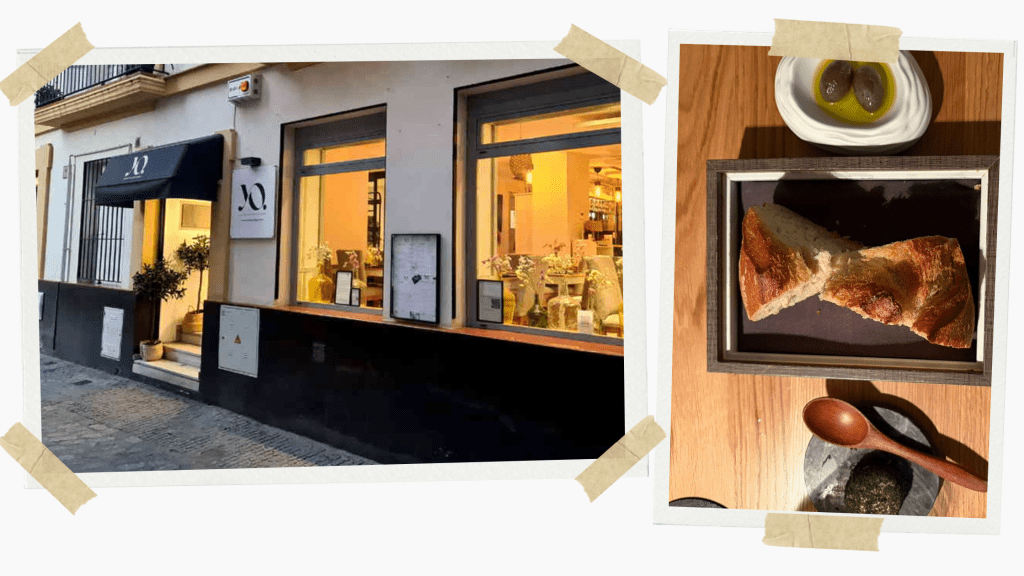
Yo, Cocina Contemporánea
For something a little more modern and creative, Yo, Cocina Contemporánea offers tasting menus built around flavour exploration and refined presentation.
The experience is intimate and focused, appealing to diners interested in contemporary techniques and carefully constructed dishes rather than traditional formats.
Trips from Sevilla
Córdoba
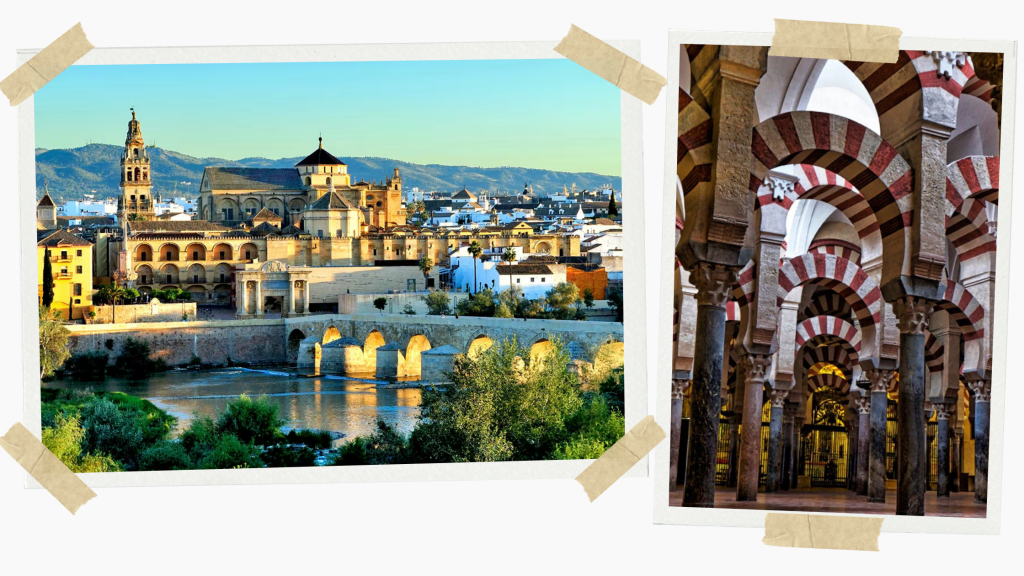
Córdoba makes an outstanding day trip from Sevilla and offers one of the richest historical experiences in Spain. Its crown jewel is the Mezquita-Cathedral, a masterpiece of Islamic architecture later transformed into a Christian cathedral, creating a space found nowhere else in Europe.
Beyond the Mezquita, Córdoba rewards slow wandering on foot through its compact historic centre, through whitewashed patios, and over its picturesque Roman bridge.
How to get there: High-speed AVE trains run frequently from Sevilla Santa Justa to Córdoba and take about 45 minutes, making this one of the easiest and most popular day trips. Regional trains are slower but cheaper. By car, the drive takes roughly 1 hour and 40 minutes via the A-4.
Cádiz
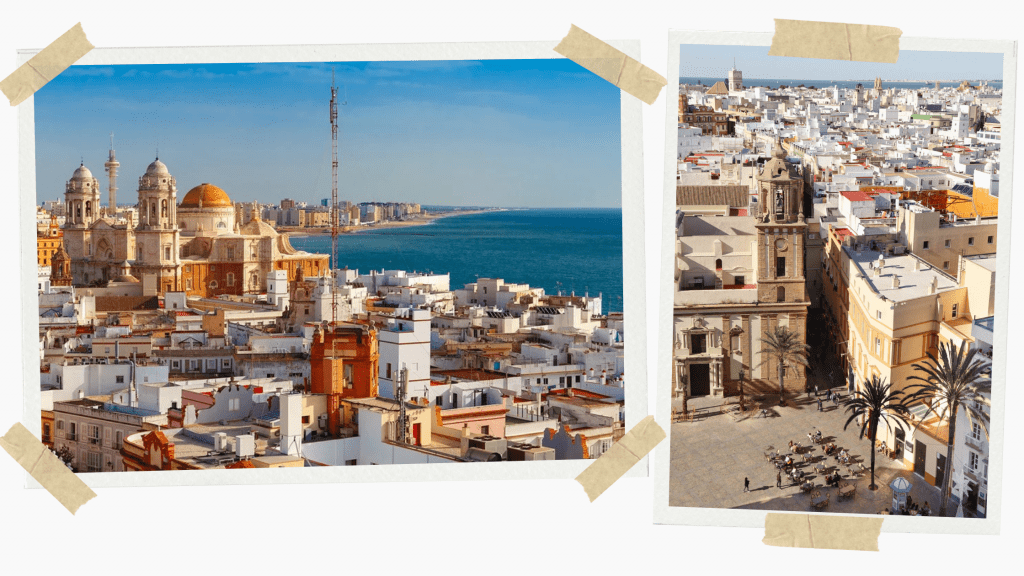
Cádiz is one of Western Europe’s oldest continuously inhabited cities and feels distinctly different from inland Andalucía. Surrounded almost entirely by the Atlantic, it has a salty, windswept character shaped by maritime trade, naval history, and fishing culture.
The old town is dense and atmospheric, with watchtowers, narrow lanes, and lively plazas opening suddenly to ocean views. Cádiz is also one of the best places in southern Spain for seafood, especially fried fish, and for watching everyday life unfold at an unhurried, coastal pace.
How to get there: Direct trains from Sevilla Santa Justa take around 1 hour 30-45 minutes, depending on the service. Driving takes about 1 hour and 15 minutes via the AP-4, crossing marshlands before reaching the coast.
Doñana National Park
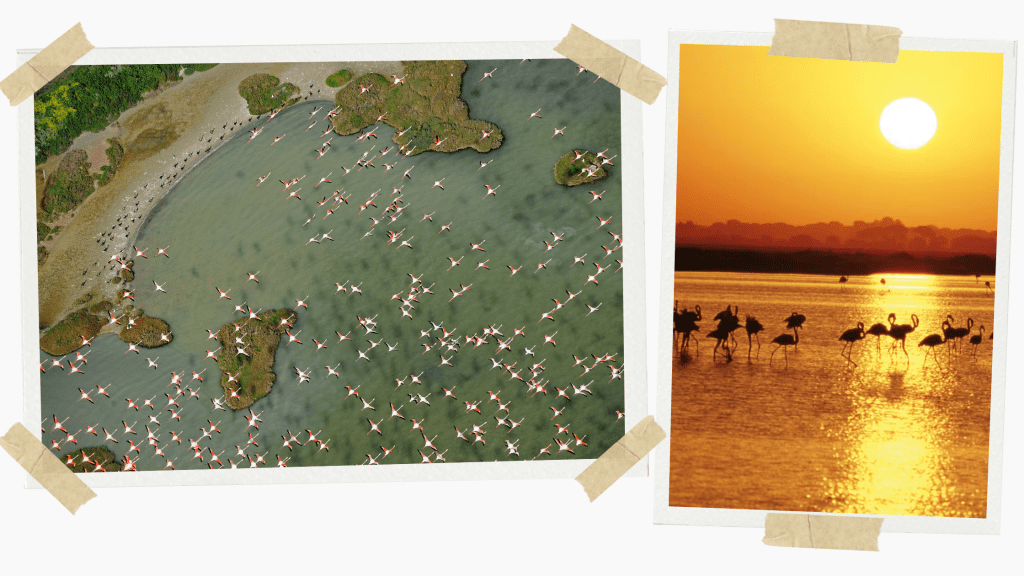
Doñana National Park is one of Europe’s most important natural reserves and a striking contrast to Andalucía’s cities. This vast landscape of wetlands, dunes, marshes, and forests is a critical stopover for migratory birds and home to endangered species such as the Iberian lynx.
Visiting Doñana offers a chance to experience a wilder side of southern Spain, often via guided jeep tours or excursions from nearby towns like El Rocío. It’s less about monuments and more about ecosystems, silence, and scale.
How to get there: Doñana is best reached by car, taking roughly 1-1.5 hours from Sevilla, depending on the access point (commonly via El Rocío or Sanlúcar de Barrameda).
There is no direct public transport into the park itself. Most visitors join guided tours that include transport from nearby towns or Sevilla itself.
Carmona
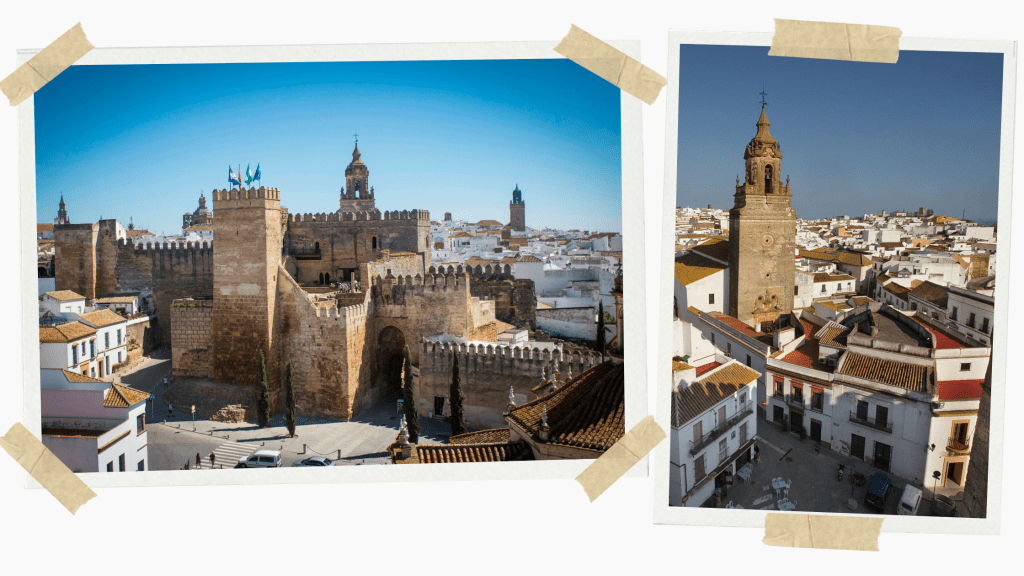
Carmona is a compact hill town that delivers far more history than its size suggests. Strategically positioned between Sevilla and Córdoba, it has been shaped by Roman, Islamic, and Christian civilisations, all visible within a short walk.
Roman necropolises sit just outside town, while inside the walls you’ll find fortified gates, churches built over former mosques, and viewpoints overlooking the Andalucía countryside. Carmona is ideal if you want a quieter, more local-feeling trip.
How to get there: Carmona is very close to Sevilla and easy to reach. By car, it’s about 30 minutes via the A-4. Buses also run regularly from Sevilla’s main bus stations, taking around 45 minutes.
Jerez de la Frontera
Jerez de la Frontera is synonymous with sherry (jerez), Andalucía equestrian tradition, and its flamenco heritage, but it’s more than the sum of those parts.
The city is home to historic bodegas where sherry has been produced for centuries, many of which are open for visits that explain both the wine and the culture surrounding it. It has a working-city feel rather than the polished cities of Andalucía that tourists flock to for sightseeing.
How to get there: Direct trains from Sevilla Santa Justa take approximately 1 hour. Driving takes around 1 hour 15 minutes via the AP-4.