Spain is one of Europe’s most exciting destinations for adventure travel, boasting a unique blend of rugged mountains, whitewater rivers, vast coastlines, and volcanic islands.
Home to Europe’s only desert, but also lush forests and snowy peaks, it offers nearly every outdoor pursuit in one well-connected country with an abundance of experienced operators.
Here’s a guide to some of Spain’s best adventure activities, ranging from aquatic adrenaline activities to high-mountain treks, all enabling both rookie and seasoned thrill-seekers to experience Spain from exhilarating new angles.
Hiking in the Picos de Europa
📍 Ruta del Cares, Picos de Europa National Park (Asturias and Castile & León)
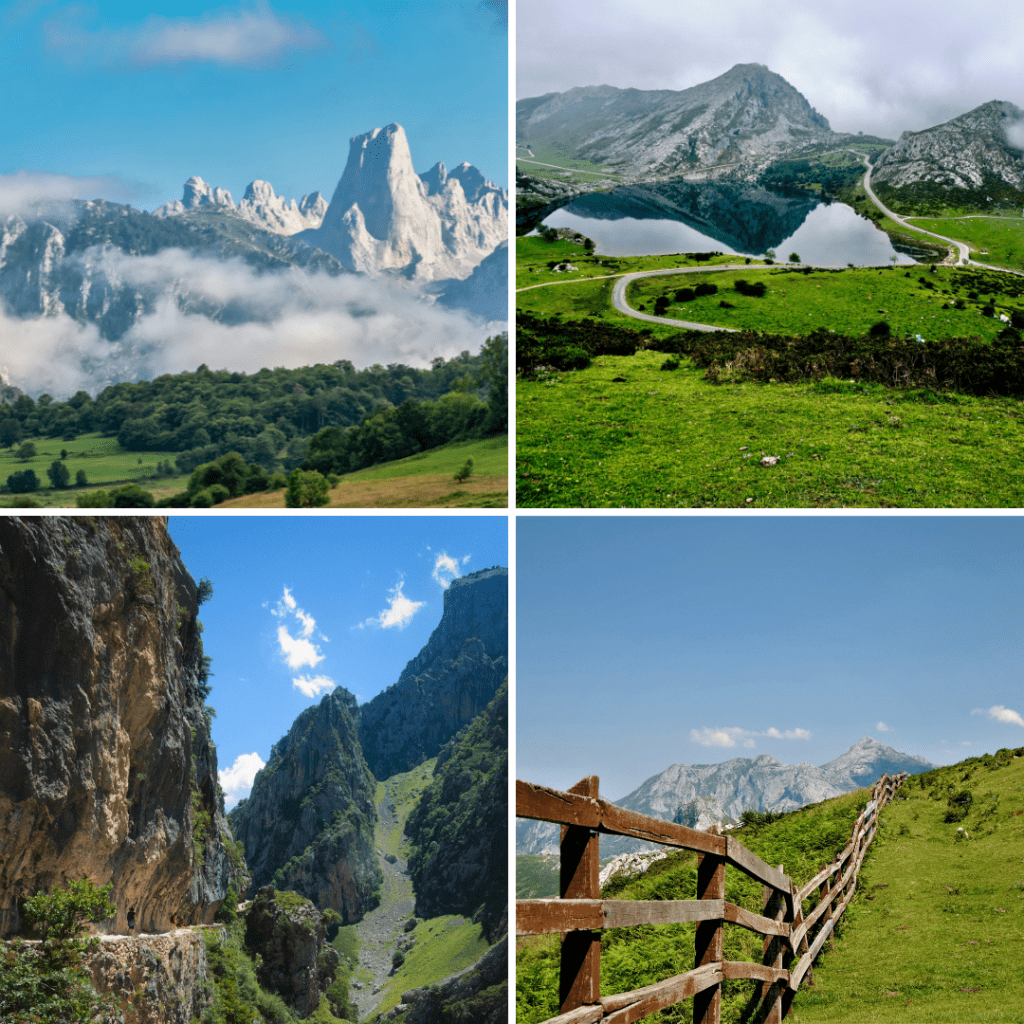
Spain is a paradise for hikers, offering everything from gentle coastal strolls to intense high-mountain treks. There are few better places to hike, however, than within the Picos de Europa. Here, one of the country’s most iconic trails can be found in the shape of the Ruta del Cares.
Taking you between Asturias and Castile & León, a dramatic path carved into limestone cliffs winds through a deep gorge between the towns of Cain and Poncebos. It’s a breathtaking, moderately challenging day hike, with jaw-dropping views around every corner. You can find more about it, as well as other hikes, in my guide to the best hiking and walking routes in Spain.
I’ve also made a Spanish road trip plan around Asturias if you want to tie this unforgettable experience into a more extensive journey around the region!
Summiting Spain’s Highest Peak
📍 Mount Teide, Tenerife (Canary Islands)
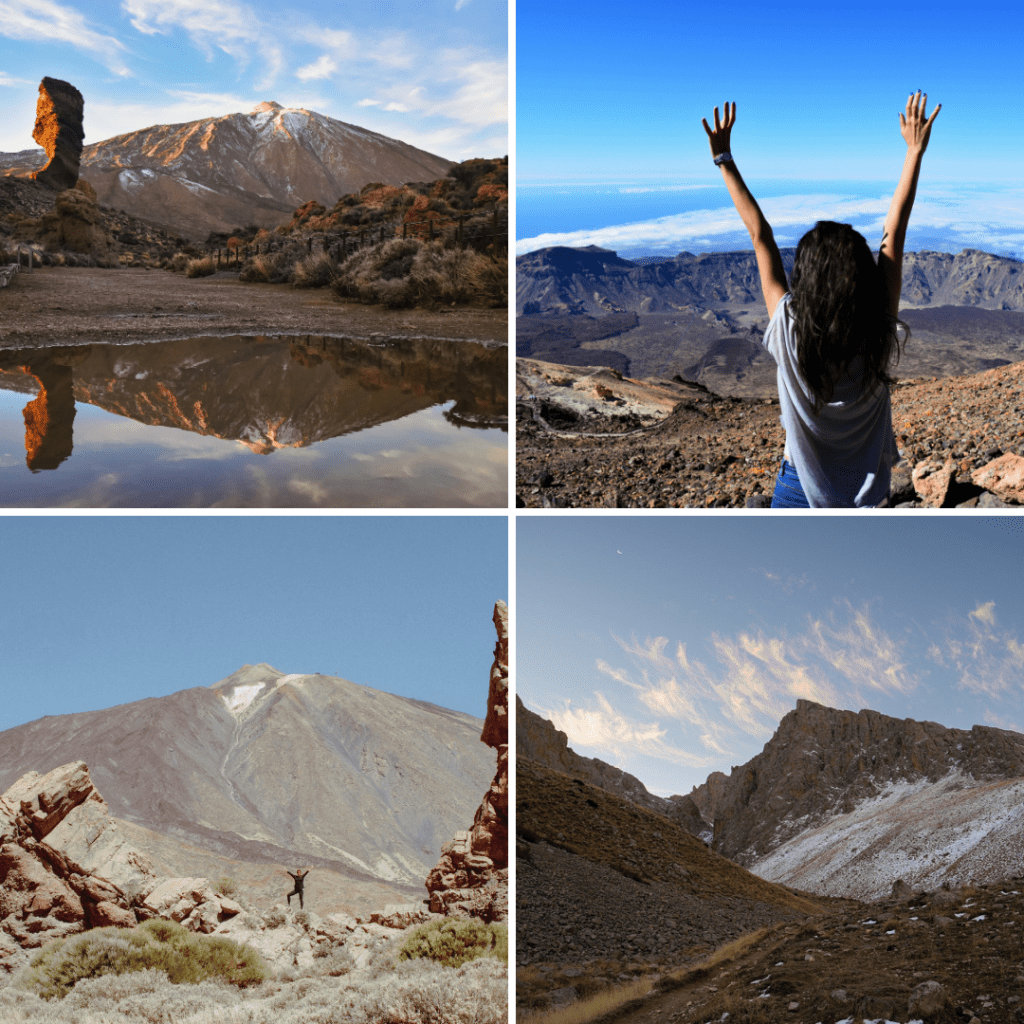
Towering 3,718 meters above sea level, Mount Teide is the country’s highest mountain, one of the 12 Treasures of Spain, and a UNESCO-listed natural wonder for good reason.
You can hike up from the base yourself through the otherworldly volcanic landscapes, join guided tours to learn more about the history and geography, or just take a cable car up to the summit area.
Sunrise and sunset hikes are truly unforgettable experiences when panoramic views across the Atlantic to other Canary Islands are even more unique.
I’ve written a more detailed breakdown of hiking the many routes in Teide National Park in my Tenerife guide.
Surfing the Basque Coast
📍 San Sebastián, Zarautz & Mundaka (País Vasco)
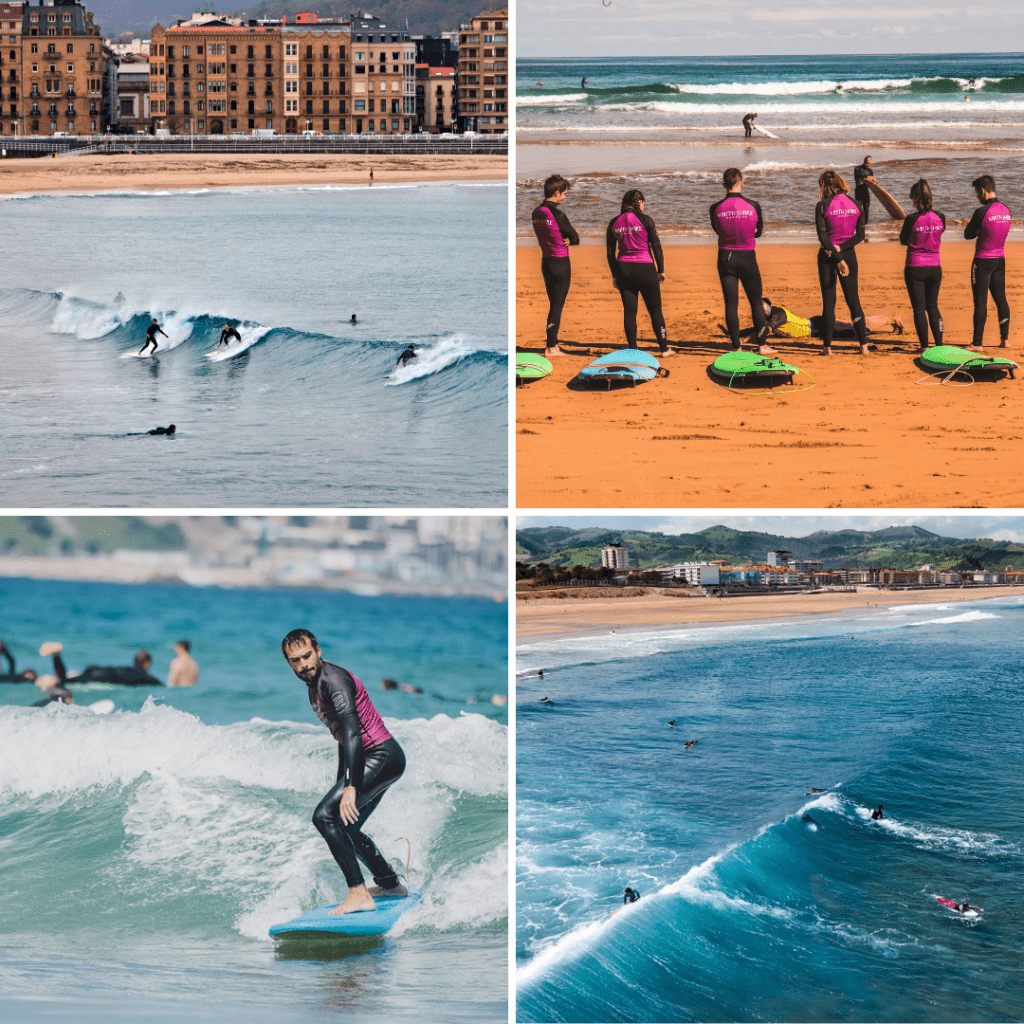
Along the north coast to the east lies Spain’s Basque Country, a region that is both fiercely independent and irresistibly. Often visited for its celebrated cuisine, it is also one of Europe’s surf capitals, with several spots outside exceptional cities and beach towns offering the perfect places to enjoy catching waves before pintxo bar hopping or hiking through emerald valleys.
- The first of these is in the sensational city of San Sebastián. On the opposite side of the old town from its Playa de la Concha (another of the 12 Treasures of Spain) lies the city’s beating heart of surf culture: Playa de Zurriola. Unlike La Concha’s calm, sheltered waters, Zurriola faces the open Bay of Biscay, where powerful Atlantic swells roll in to meet the golden sands. Here, elegance gives way to youthful energy and adrenaline. Surf schools line the promenade, offering lessons and rentals for all levels.
- Further along the coast (20-30 minutes by train or car), you’ll find Zarautz, the Basque Country’s longest beach. Here, rolling hills suddenly descend into a long sandy beach where the waves are more forgiving, making it ideal for beginners and intermediates. At the same time, the lively town buzzes with surfers, families, and foodies.
- Mundaka, a pilgrimage site for surfers worldwide, has to be mentioned here too. Tucked into the Urdaibai Biosphere Reserve, this small fishing village is home to one of the world’s most famous waves: a world-class left-hand river-mouth break. When conditions are right, it produces a ride so long and perfect that it has earned near-mythical status. While the wave is best left to experienced surfers, Mundaka itself charms with cobbled streets and estuary views.
I made a Spanish road trip plan around País Vasco if you want to tie it into a more extensive journey around the region!
Wind Sports in Tarifa
📍 Tarifa, Cádiz (Andalucía)
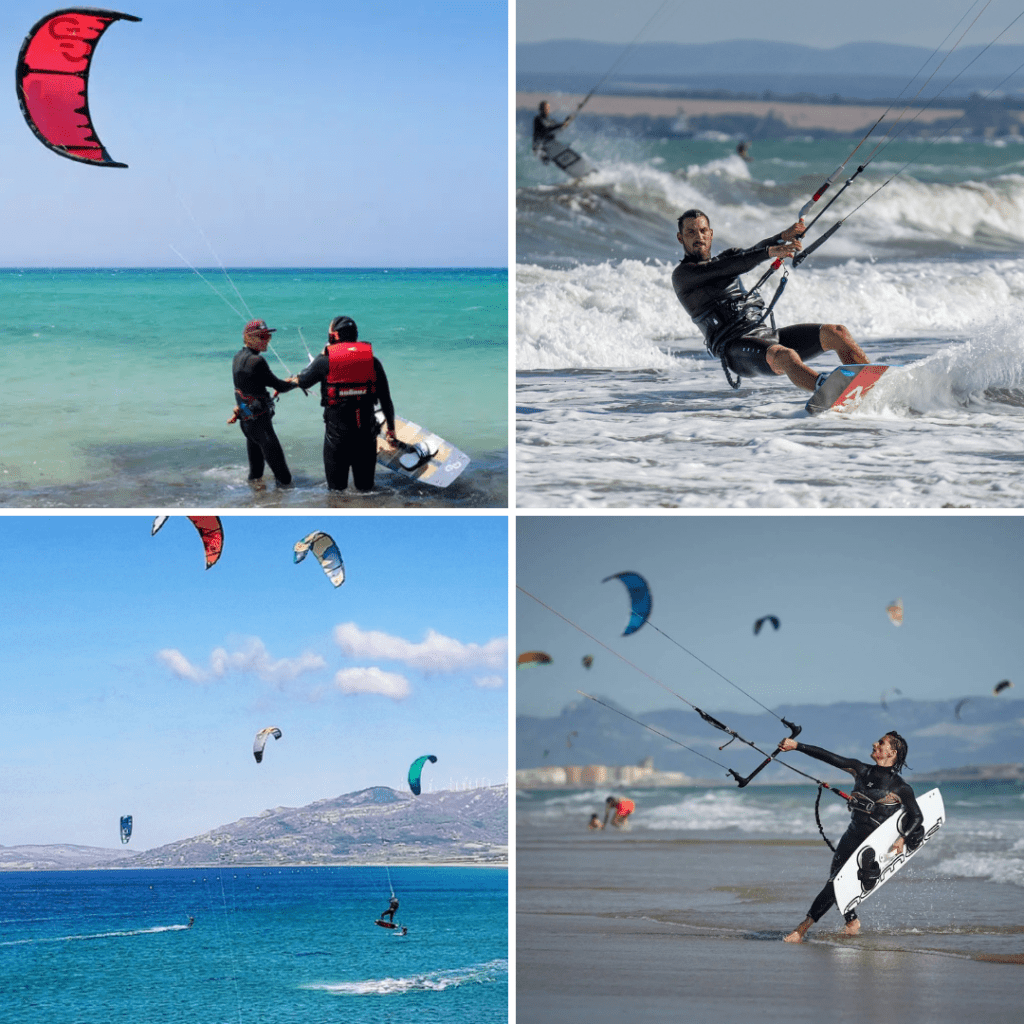
Sitting at the southern tip of mainland Spain, where the Mediterranean Sea collides with the Atlantic Ocean, Tarifa is famous for its extraordinary wind conditions. Known as one of the windiest spots in Europe, the town has earned a global reputation as the ultimate destination for kitesurfing, windsurfing, and sailing.
The winds here are strong, consistent, and ideal almost year-round, making Tarifa a playground for both professional athletes and beginners looking to try their hand at board sports. The town’s long, golden beaches, such as Playa de Los Lances, provide ample space for launching and landing kites, practising new tricks, or simply enjoying a relaxed session on the water.
A wide range of schools and rental shops caters to all skill levels. Beginners can take lessons from certified instructors who provide equipment and safety guidance, while experienced riders can challenge themselves with advanced conditions or join international competitions hosted here. The atmosphere is energetic yet laid-back, drawing a truly international crowd of windsports enthusiasts who often gather at beachfront cafés and bars after a day on the waves.
Kayaking in Cabo de Gata
📍 Cabo de Gata-Níjar Natural Park (Almería, Andalucía)
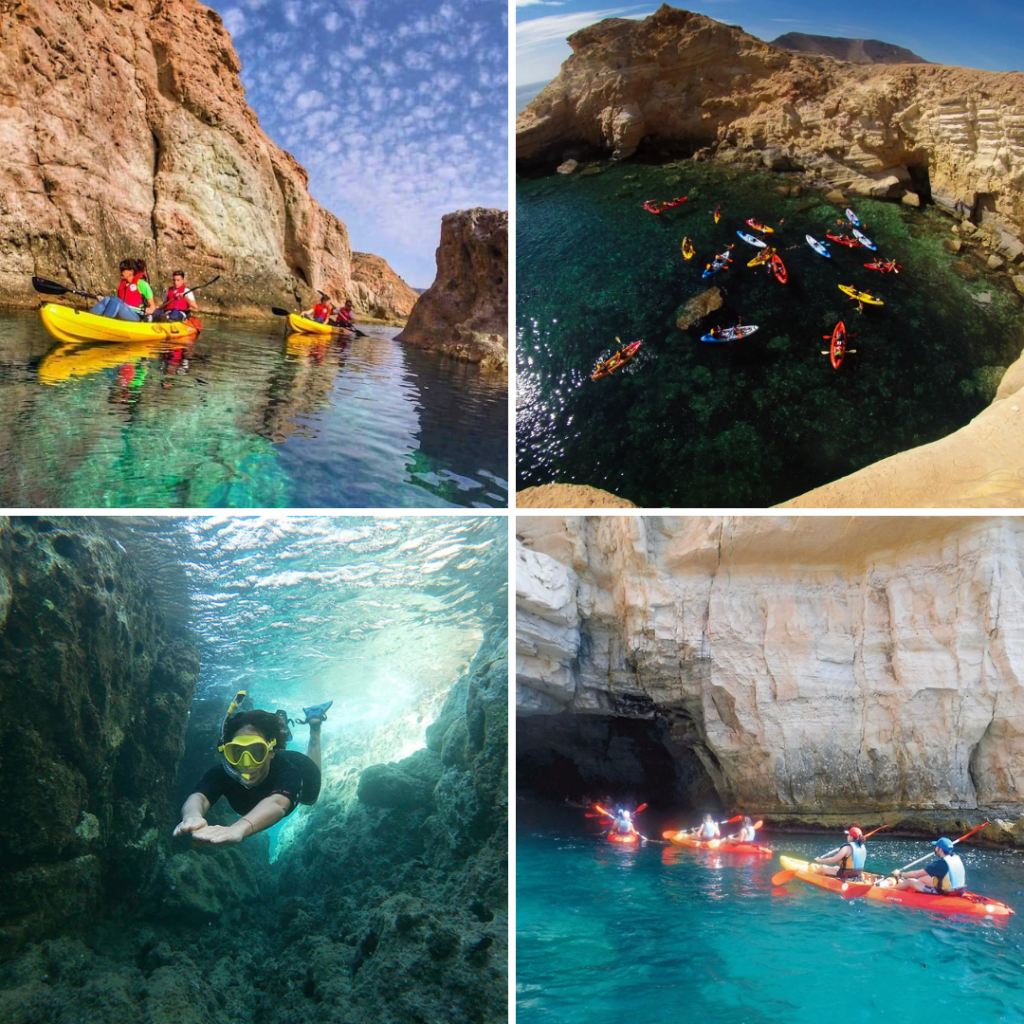
Cabo de Gata-Níjar Natural Park, on Spain’s southeastern coast, is a rugged and volcanic coastal paradise that offers some of the country’s most spectacular kayaking experiences. The park’s coastline is dotted with hidden coves, dramatic cliffs, and crystal-clear turquoise waters.
Kayaking here allows you to access remote beaches and secret sea caves that are impossible to reach on foot. Along the way, you’ll glide past volcanic rock formations and natural arches carved over millennia by wind and waves. The scenery is dramatic and otherworldly, giving you the feeling of exploring an untouched corner of the Mediterranean.
Many guided tours incorporate snorkelling stops, where you can dive into clear waters teeming with marine life, including colourful fish, seahorses, and sometimes even an octopus or two. The waters around Cabo de Gata are generally calm, making it suitable for beginners, but there are also routes with waves and currents that provide a fun challenge for more experienced kayakers. Rentals and guided tours are available in the main towns like San José, where local operators provide all the necessary equipment and safety guidance.
Canyoning in the Pyrenees
📍 Ordesa & Sierra de Guara (Aragón)
Canyoning, or barranquismo in Spanish, is one of Spain’s most exhilarating outdoor adventures, and the Pyrenees provide some of the country’s best terrain for it. The region is filled with dramatic gorges, narrow ravines, and mountain rivers that have been sculpted over millennia into natural playgrounds, but Ordesa y Monte Perdido National Park is a particularly incredible spot.
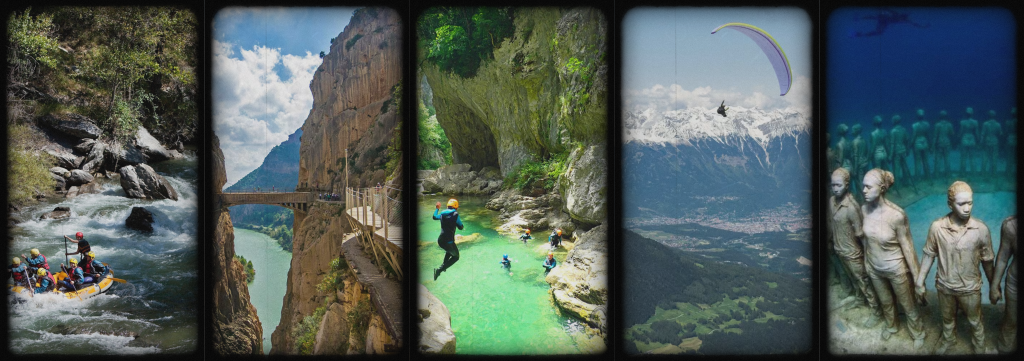
During a canyoning adventure, you’ll scramble over rocks, abseil down waterfalls, slide along natural chutes, and leap into crystal-clear pools. Each canyon presents its own challenges and surprises, with tight passages, open drops, and stunning scenery around every bend. Guides lead both beginners and experienced adventurers, ensuring safety while letting you push your limits.
Spring and early summer are the ideal seasons, when snowmelt swells the rivers, transforming the canyons into natural waterparks with thrilling flows and higher drops. Summer offers slightly calmer conditions, making it suitable for less experienced participants. Many tours also combine short hikes to reach the canyon entrances, giving you a full immersion in the Pyrenean landscape.

White-Water Rafting in the Pyrenees
📍 Noguera Pallaresa River (Catalunya)
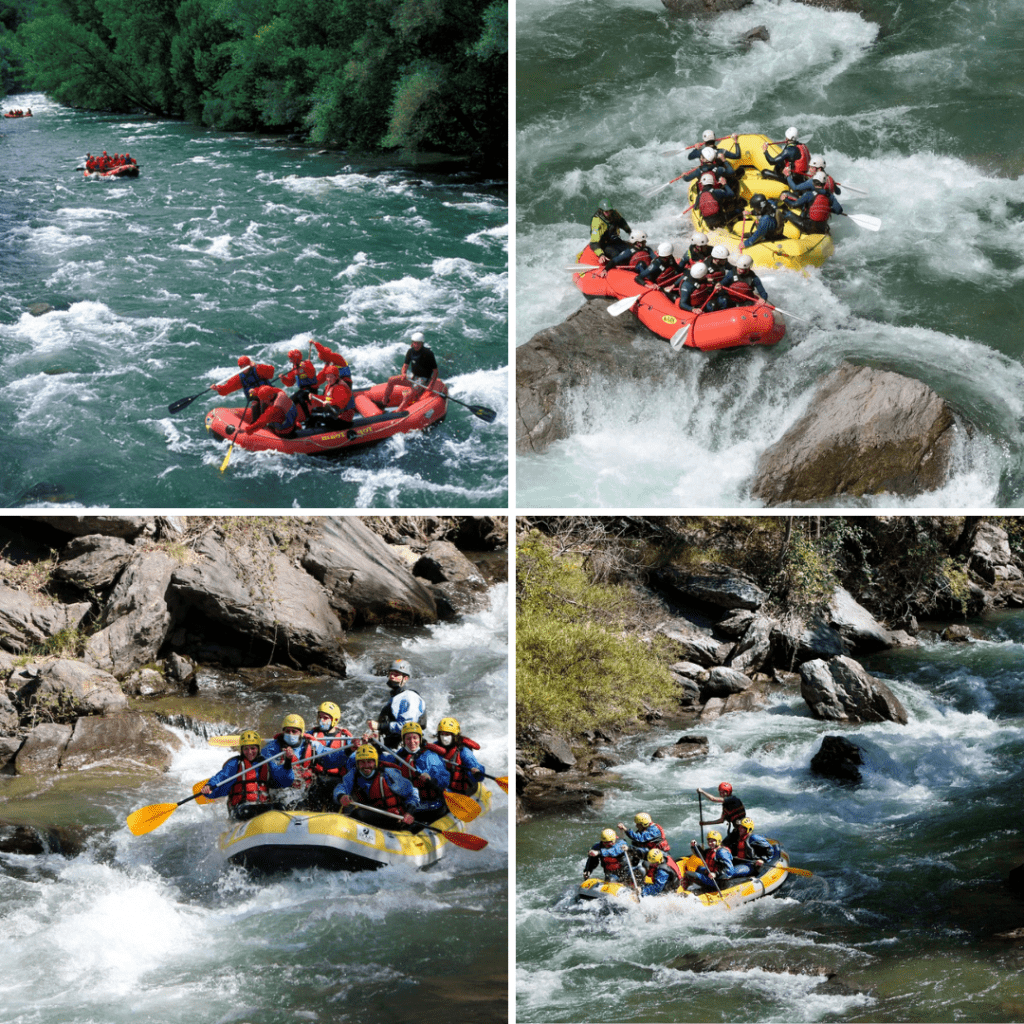
Staying in the Pyrenees, the Noguera Pallaresa River is widely recognised as one of Europe’s premier white-water rafting destinations. Carved through the rugged Catalan Pyrenees, the river offers a variety of rapids that cater to both beginners and thrill-seekers looking for high-adrenaline challenges.
Guided tours provide everything from gentle, scenic floats to heart-pounding Class III and IV rapids. Paddlers navigate rushing torrents framed by steep cliffs, lush forests, and panoramic mountain views, making each descent as beautiful as it is exciting. Local operators supply wetsuits, helmets, life jackets, and professional guides to ensure safety and maximise the fun.
Rafting here is not just about speed, it’s about rhythm, teamwork, and immersing yourself in one of the Pyrenees’ most stunning natural environments. Many tours include multiple sections of the river, allowing participants to experience different levels of difficulty in a single day.
Walking the Caminito del Rey
📍 El Caminito del Rey, Málaga (Andalucía)
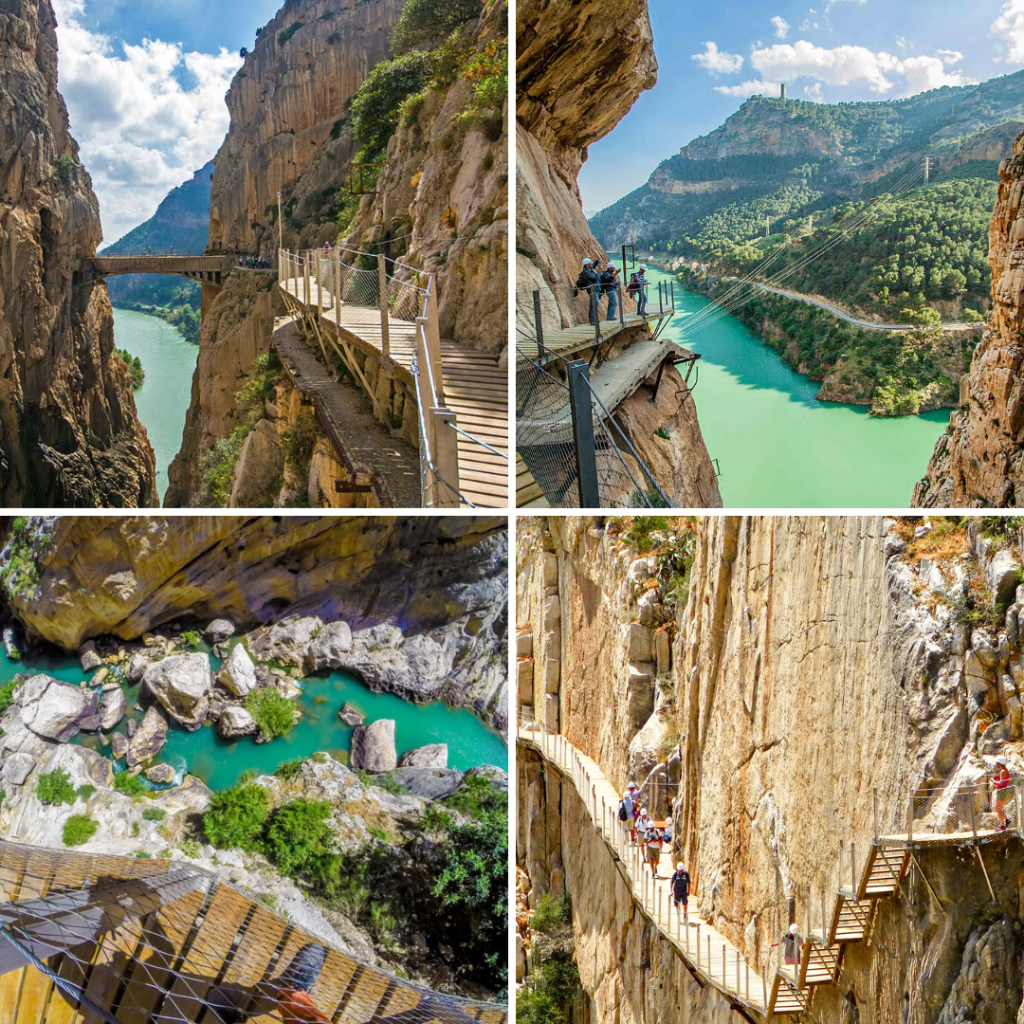
Once labelled the “world’s most dangerous walkway,” the Caminito del Rey has undergone extensive restoration, transforming it into a safe yet thrilling experience for adventurers. The trail stretches along sheer cliffs above the Gaitanes Gorge, a dramatic canyon carved by the Guadalhorce River, offering views that are both breathtaking and vertigo-inducing.
Walkways are now reinforced with metal paths and glass sections that let you peer straight down to the turquoise waters below. Suspended bridges, narrow cliffside passages, and awe-inspiring panoramic views combine to make this one of Spain’s most exhilarating day trips. The trail winds through rugged natural landscapes, with opportunities to spot local wildlife such as eagles and vultures soaring above the gorge.
Climbing in El Chorro
📍 El Chorro, Málaga (Andalucía)
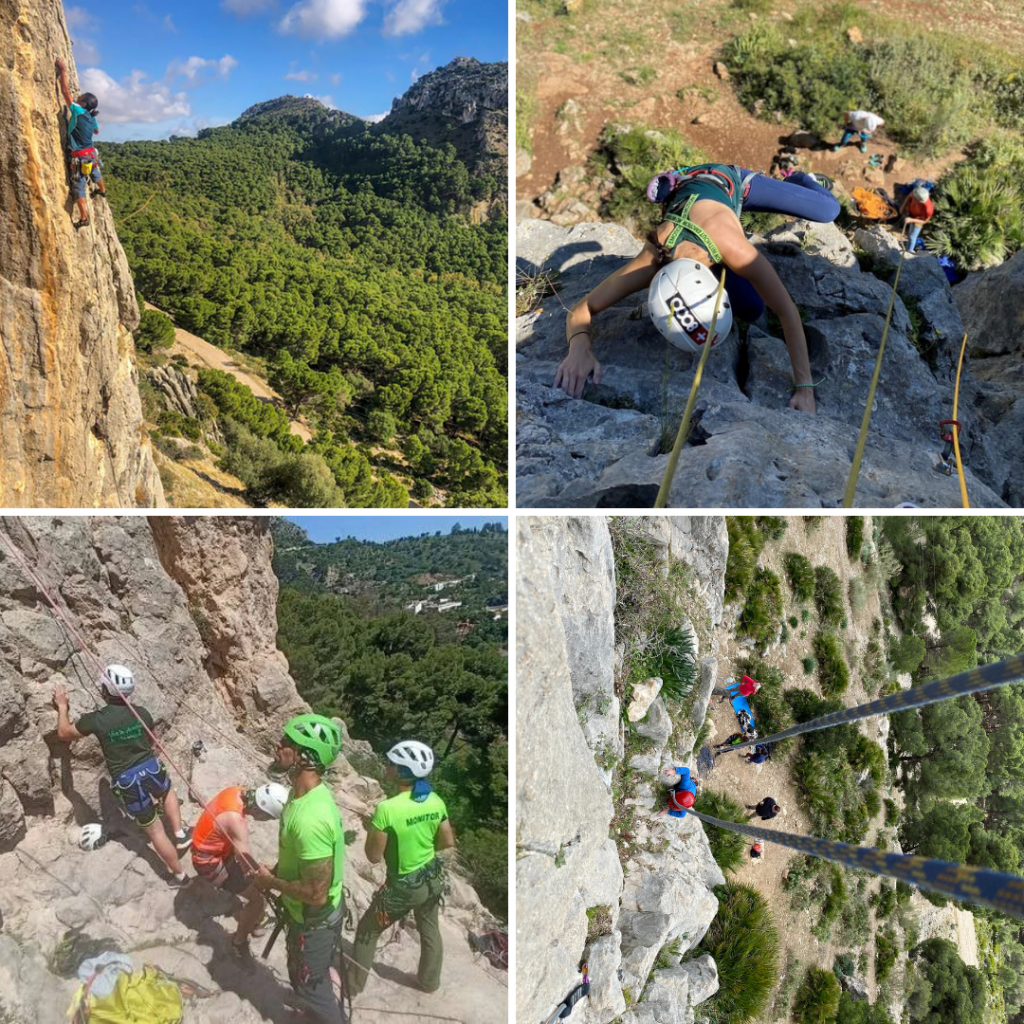
While we’re in the area, the area that El Caminito del Rey is situated in, El Chorro, is a top destination for rock climbing enthusiasts. Nestled in a dramatic gorge carved from limestone, the area boasts hundreds of climbing routes of all grades, from beginner-friendly climbs to expert multi-pitch challenges. Its towering cliffs and unique rock formations have earned it a reputation as one of Europe’s premier climbing spots.
Local climbing schools and guides make the sport accessible even for first-timers, providing equipment, instruction, and route guidance. For seasoned climbers, the variety of routes, ranging from technical slabs to overhanging walls, offers endless opportunities to test skill and endurance. Beyond the climbing itself, El Chorro’s surroundings are equally spectacular, with hiking trails, turquoise reservoirs, and picturesque villages adding to the experience.
Vía Ferratas in Cuenca
📍 Cuenca (Castilla–La Mancha)
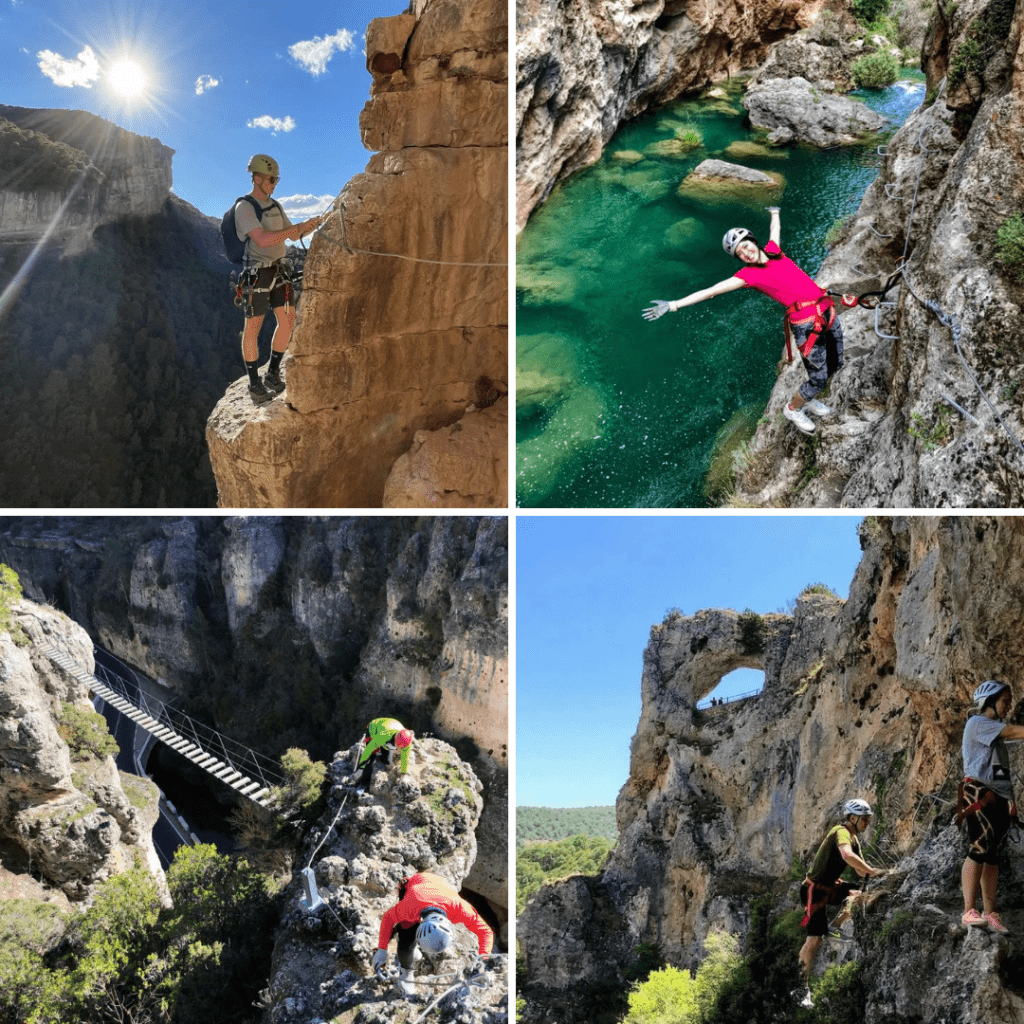
Spain has become one of Europe’s premier destinations for vías ferratas, a thrilling form of climbing where routes are equipped with iron ladders, cables, and rungs that allow adventurers to scale cliffs safely. These iron pathways combine breathtaking natural scenery with heart-pumping adrenaline, making them perfect for outdoor enthusiasts of all skill levels.
While there are routes all over Spain, Cuenca, a UNESCO World Heritage-listed medieval town, offers some of central Spain’s most spectacular via ferrata experiences. The town itself is perched dramatically above deep gorges, providing a stunning backdrop for these adrenaline-fueled climbs.
Whether you’re a beginner or an experienced climber, guided tours make it easy to enjoy the routes safely. As you ascend, you’ll be rewarded with panoramic views of the gorges, the famous hanging houses (Casas Colgadas), and the surrounding countryside. The combination of natural beauty and historical charm makes climbing here a truly unique adventure.
You can do two in one by renting equipment for both the Vía Ferrata de Priego (K3) and Vía Ferrata de Las Buitreras (K4), though be warned that the latter is a challenging K4.
Scuba Diving in the Canary Islands
📍 Lanzarote, El Hierro & Tenerife (Canary Islands)
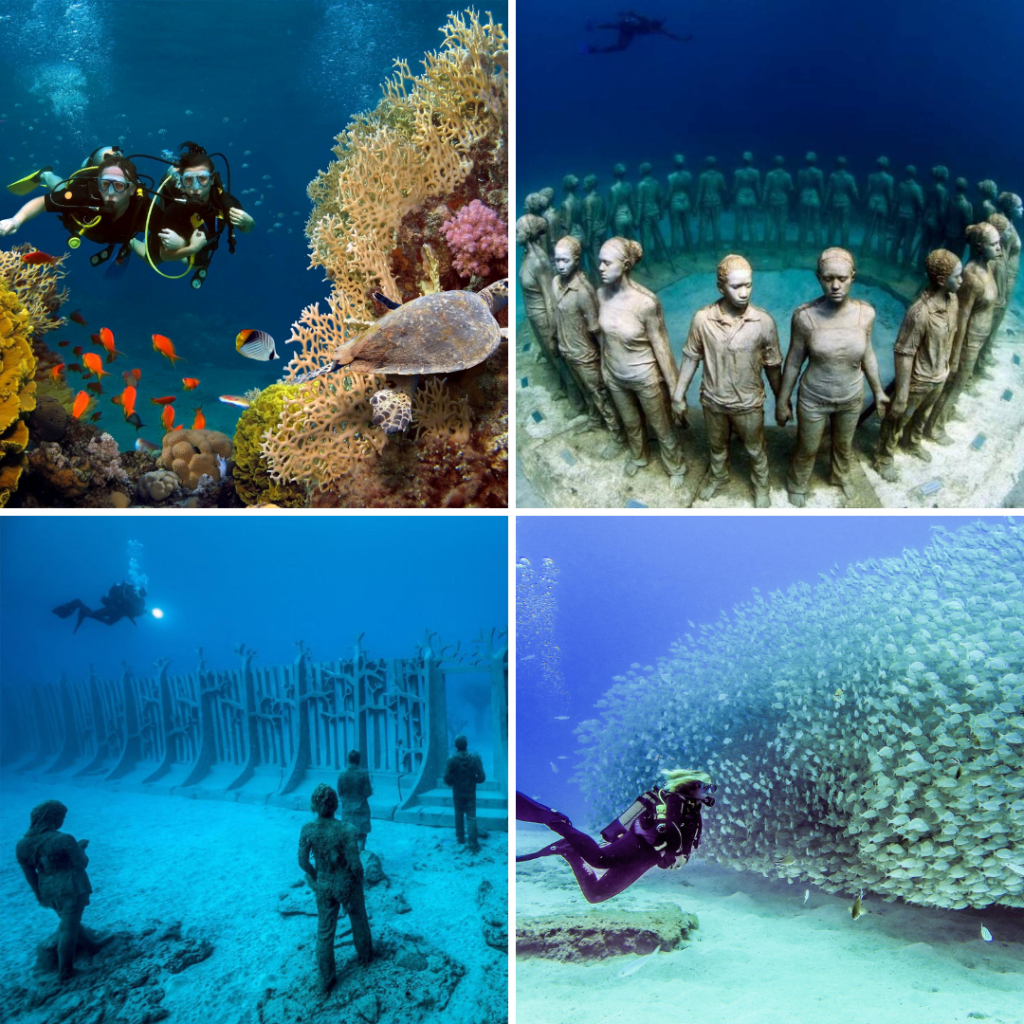
The Canary Islands are a scuba diver’s dream, offering warm, clear waters and some of Europe’s most diverse underwater landscapes. Volcanic formations, lava tubes, and reefs create a unique setting for exploring beneath the waves. Divers can encounter a wide range of marine life, including rays, sea turtles, barracudas, and, with luck, passing pods of dolphins or even pilot whales. Visibility is excellent year-round, making the islands perfect for both beginners and experienced divers.
Notable dive sites include the Lanzarote Underwater Museum, which combines art and marine conservation, and El Hierro, one of the best wildlife experiences in Spain, known for its pristine waters and rich biodiversity. Tenerife also offers dramatic volcanic walls and deep underwater caves. Guided dives are widely available, with operators providing equipment, instruction, and dive planning for all skill levels.
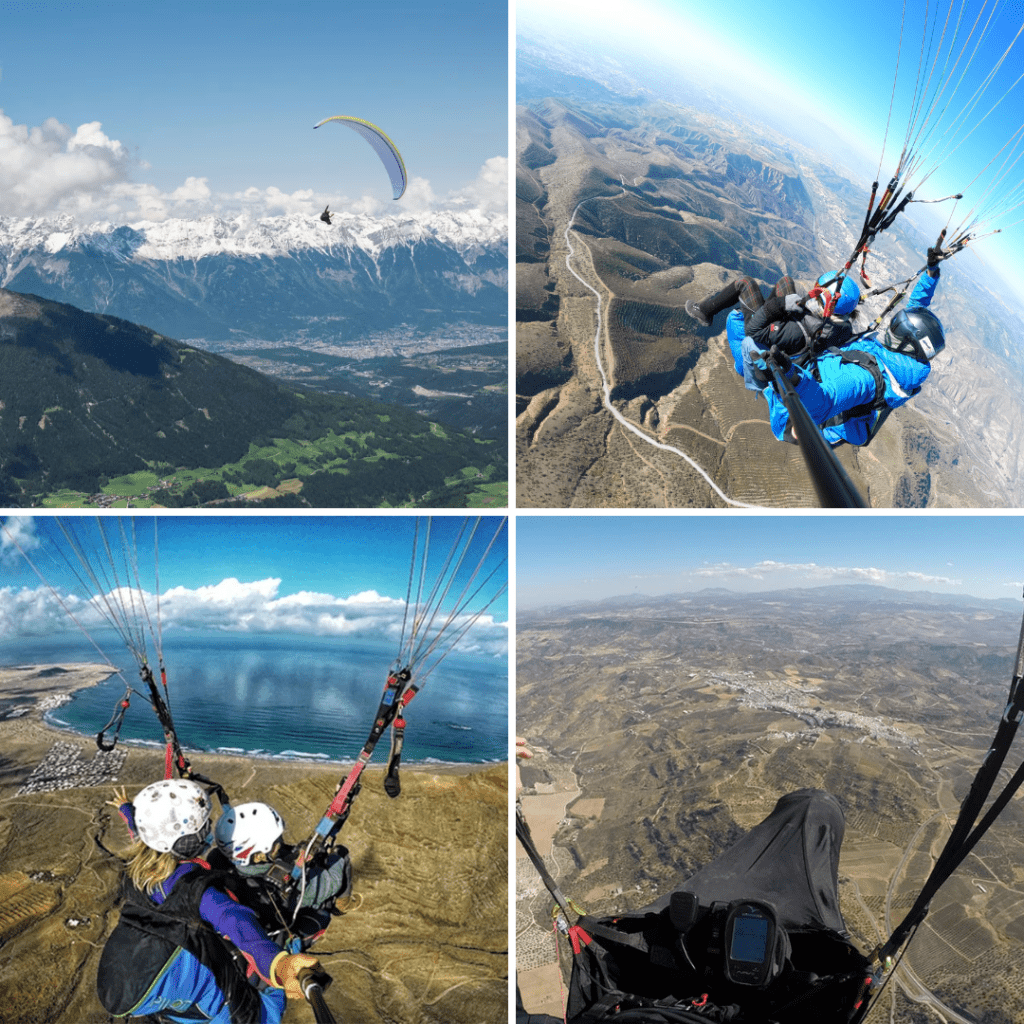
Paragliding in Spain
📍 Áger (Catalunya) & Tenerife (Canary Islands)
For a truly unforgettable perspective on Spain’s landscapes, paragliding offers the ultimate thrill. In Áger, a Pyrenean village, the consistent thermals and panoramic mountain vistas make it one of Europe’s best paragliding locations. Tenerife, by contrast, provides surreal flights over volcanic cliffs, rugged coastline, and sweeping ocean views.
Tandem flights with professional pilots make paragliding accessible for beginners, while experienced solo pilots can enjoy advanced manoeuvres. Launching from mountain tops or cliff edges, you’ll float over forests, valleys, and coastline, experiencing a combination of serenity and adrenaline. Sunrise and sunset flights are particularly spectacular, casting golden light over Spain’s dramatic terrain.
Horseriding in Doñana National Park
📍 Doñana (Andalucía)
Doñana National Park, a UNESCO World Heritage Site, is one of Europe’s most important wetlands, offering a unique combination of wildlife, dunes, beaches, and pine forests. It is another of the best wildlife experiences to do in Spain, and horse riding through this protected landscape allows you to explore its diversity at a gentle pace, from wide sandy beaches to lush forested trails.
While riding, you may spot flamingos, lynxes, and the park’s iconic wild horses, all while enjoying sweeping views of the marshes, dunes, and the Guadalquivir River delta. Guided rides cater to all experience levels, from beginners to experienced riders, and often include lessons on Andalusian horse breeds and park ecology.

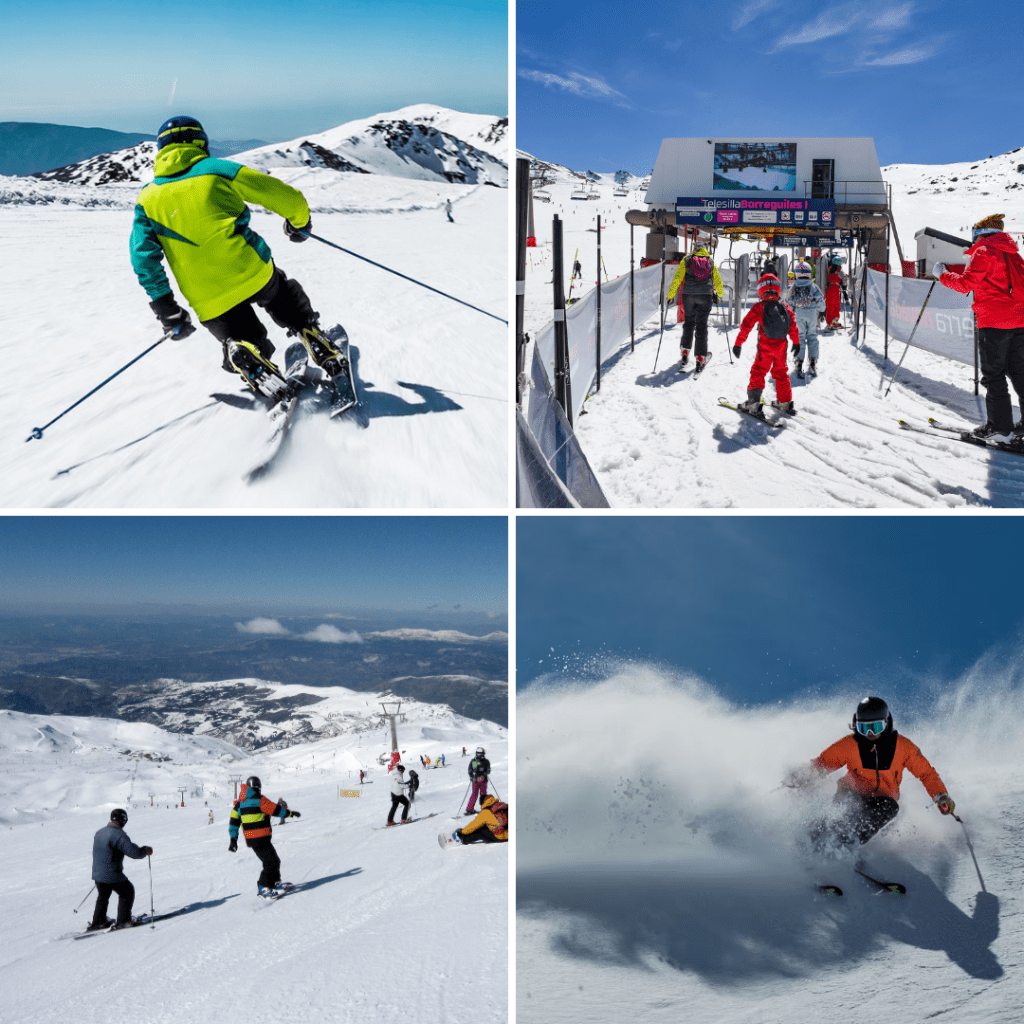
Skiing in the Sierra Nevada
📍 Sierra Nevada, Granada (Andalucía)
The Sierra Nevada mountain range in southern Spain offers a unique skiing experience: Europe’s sunniest slopes paired with breathtaking views. On clear days, skiers and snowboarders can see the Mediterranean Sea and even the mountains of North Africa from the peaks. The Sierra Nevada Ski Resort features runs for all levels, from gentle beginner slopes to challenging black diamonds, making it suitable for families, casual skiers, and advanced athletes alike.
The resort village is situated near the city of Granada, meaning you can enjoy tapas, local wine, and the city’s rich history after a day on the mountain, and even combine a visit with a trip to the Alhambra, another of the 12 Treasures of Spain.
Hot Air Balloon tours of Segovia
📍 Segovia (Castilla y León)
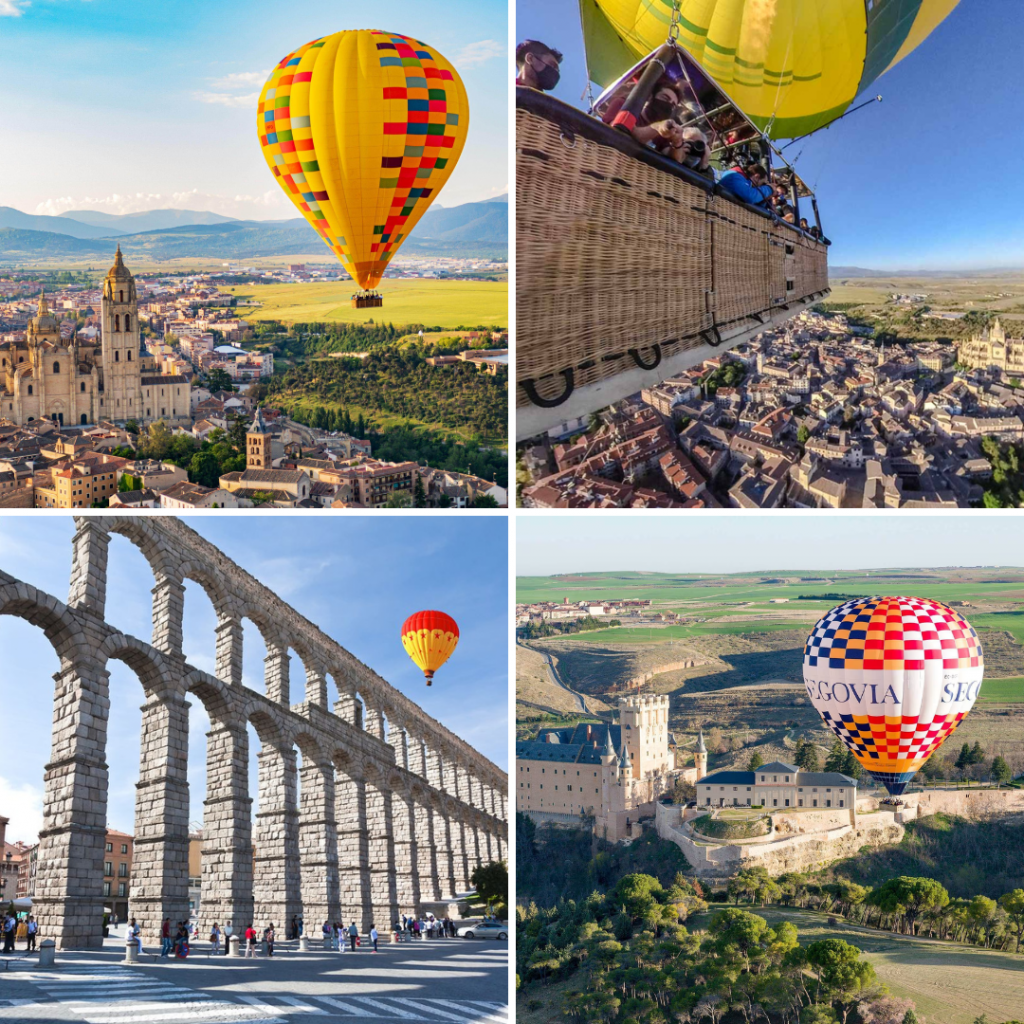
For a peaceful yet awe-inspiring adventure, a hot air balloon ride over Segovia offers a truly unforgettable experience. Floating gently above medieval castles, Roman aqueducts, and rolling countryside at sunrise, you’ll get a unique bird’s-eye perspective of this historic region. The town’s fairy-tale Alcázar of Segovia often serves as a dramatic backdrop, creating postcard-perfect views.
Flights typically last an hour or more and are accompanied by expert pilots who provide safety briefings and guidance. Many tours include a traditional toast or light breakfast upon landing, making it a full, memorable experience.