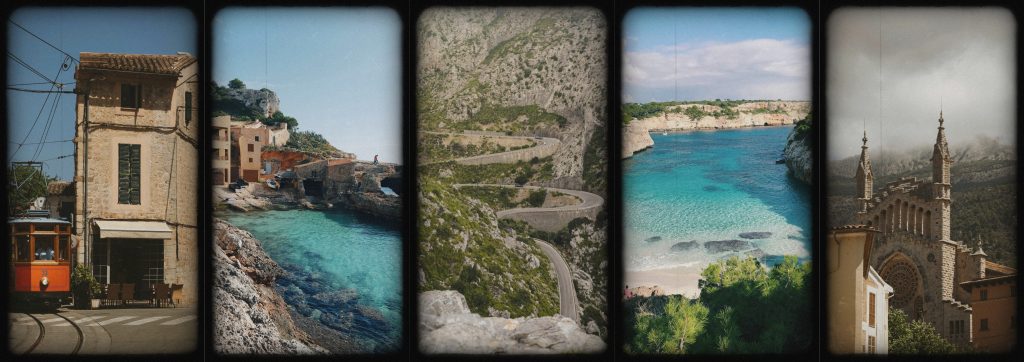
The largest of Spain’s Balearic Islands is most commonly associated with its vibrant capital, Palma de Mallorca, the Serra de Tramuntana, one of Europe’s most scenic mountain ranges, and its array of small coves (calas) featuring turquoise water and limestone cliffs. It particularly excels in providing both adventure and relaxation courtesy of this mix of sun-soaked beaches and mountainous terrain.
The scenic Serra de Tramuntana is an exceptional place to drive, cycle, or hike, while all over Mallorca, charming coastal towns and hilltop villages provide the perfect microcosms in which to unwind to the beat of Balearic island life. Here’s a breakdown of the best towns, beaches, wineries, and natural sites to see.
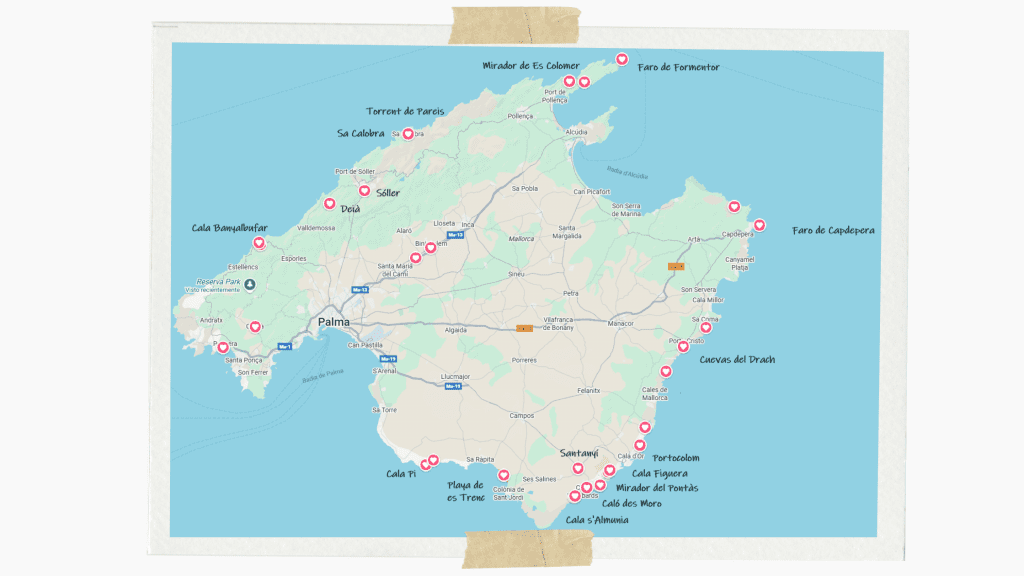
Towns to visit
Everybody visiting Mallorca will fly into its capital, Palma de Mallorca, where centuries of history sit comfortably alongside modern island life in the Bay of Palma on the island’s southwest coast. The skyline is dominated by the cathedral, but the real pleasure is wandering the old town’s shaded streets, discovering hidden courtyards, galleries, bakeries, markets, cafés, and neighbourhood bars. Many people will then head out to explore the island’s beaches and towns.
Mallorca’s towns fall broadly into two categories. Along the coast, there are plenty of fishing villages and small ports shaped by the sea, their stunning locations, and their maritime functions. Inland, meanwhile, hillside towns are tied to agriculture and old trade routes, featuring stone houses, terraces, and offering incredible views. Experiencing both gives a fuller sense of the island’s rhythm.
Sóller
📍 Northwest, within the Serra de Tramuntana
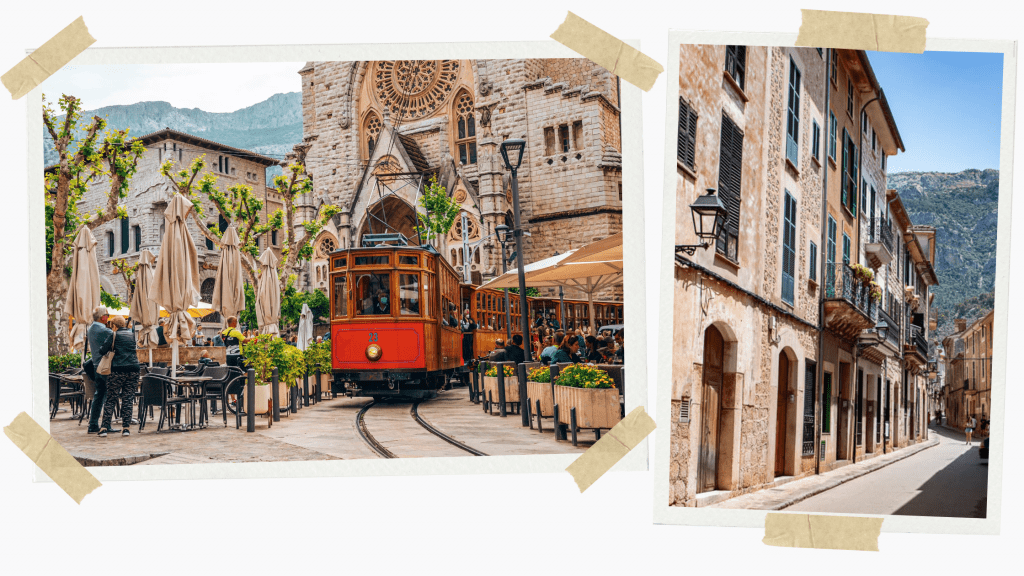
Set in a fertile valley surrounded by mountains, Sóller feels distinct from the coast. Its elegant square, citrus heritage, and calm pace make it a standout. If you’re not renting a car, take the historic wooden train from Palma, originally built to transport citrus fruit, which departs from its own station next to Palma’s main transport hub.
Deià & Valldemossa
📍 Northwest coast, within the Serra de Tramuntana
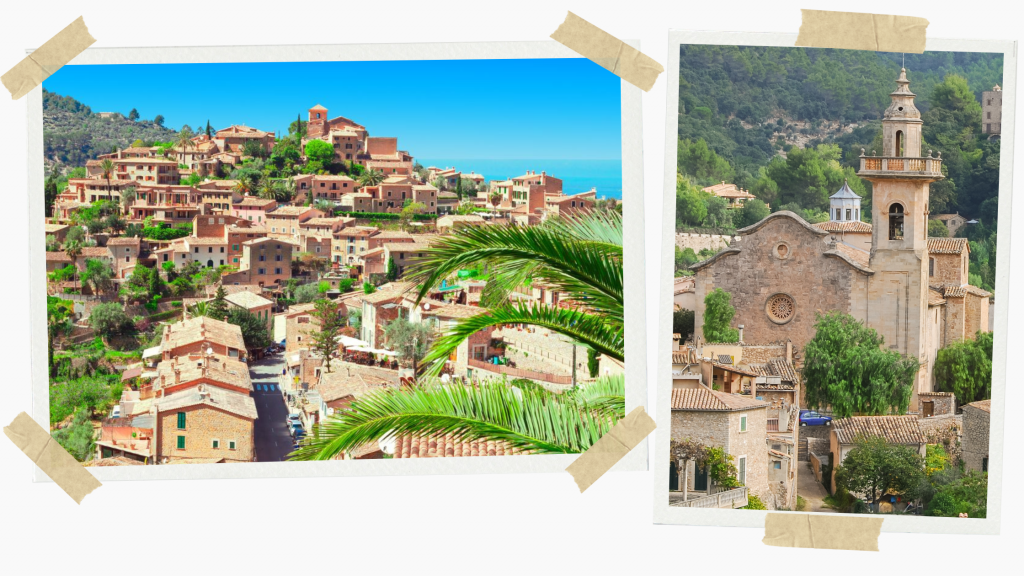
Deià and Valldemossa are two other mountain towns close to Sóller. Perched above the sea, Deià has long attracted artists, writers, and musicians drawn to its light and isolation. Valldemossa similarly feels preserved in time, with stone lanes, green shutters, and a monastery that gives the village historical weight.
When it comes to enjoying life in either of these towns its about strolling through olive groves and kicking back with a coffee on a terrace. It’s especially appealing in warmer months, when its altitude offers relief combines with sunset views where the mountains meet the Mediterranean.
Pollença
📍 Northeast coast, at the edge of the Serra de Tramuntana
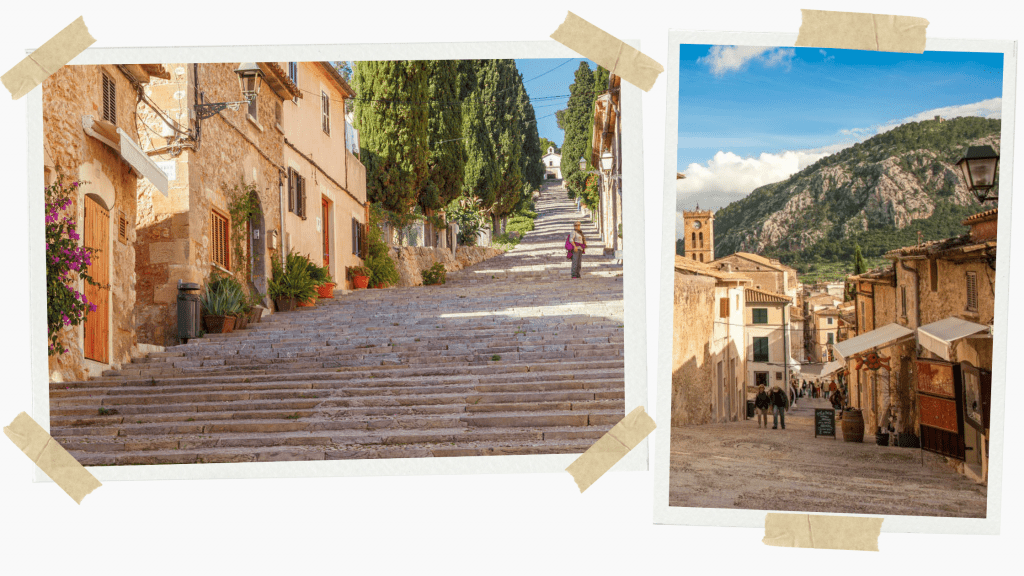
Pollença is another historic hilltop town that blends mountain character with a cultured, lived-in feel. It is home to the famous Calvari Steps, where 365 steps climb to a small hilltop chapel and offer sweeping views over rooftops and countryside. It is quietly sophisticated rather than showy, and another town with strong ties to art, music, and long-standing local traditions.
Santanyí
📍 Southcentral coast
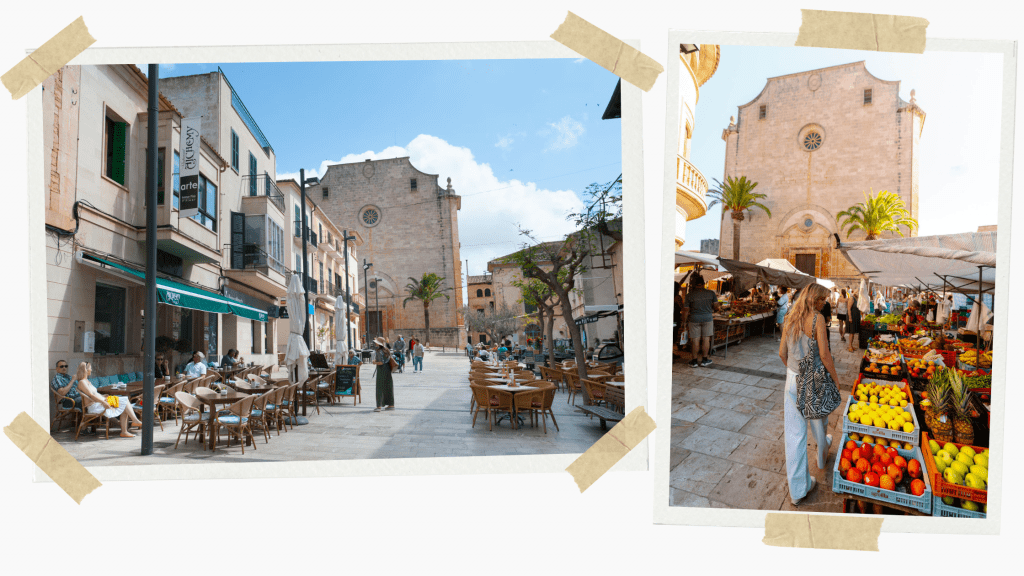
Santanyí is a town of honey-coloured sandstone buildings close to many of the hotspots on the southern coast. The weekly market draws locals and visitors alike, while small galleries and cafés give the town a creative, relaxed energy. It’s an excellent base for the southeast, balancing culture with easy access to some of the island’s most picturesque calas, including Cala Figuera, Cala Llombards, and Calo des Moro.
Portocolom
📍 Southeast coast
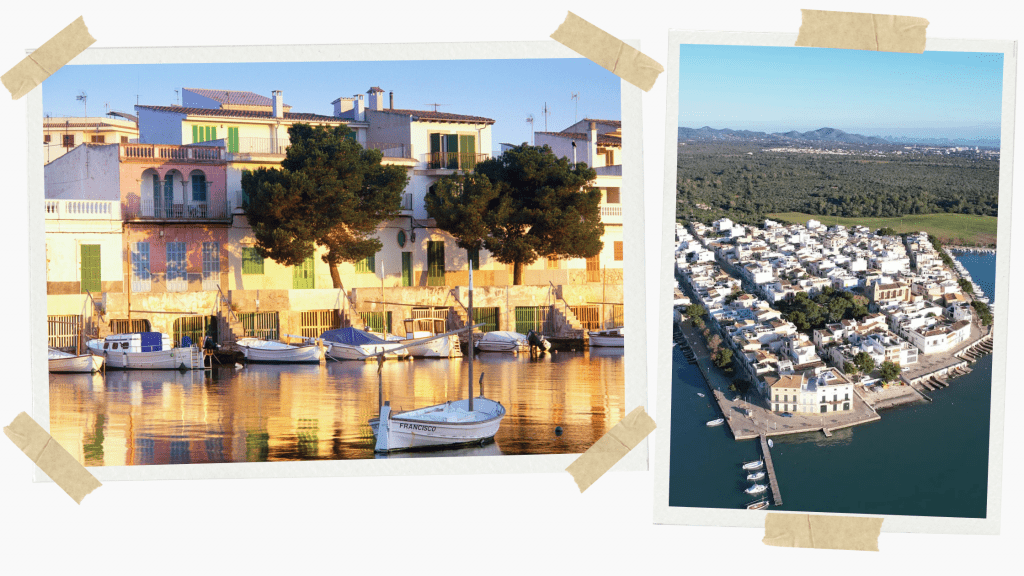
Portocolom is best known for its broad natural harbour lined with boathouses, giving it a calm, working-port atmosphere that feels refreshingly unchanged. Rather than a classic resort, Portocolom is about slow walks along the water, long lunches at harbour-side restaurants, and swimming from rocks and small coves nearby.
Beaches
Sa Calobra & Torrent de Pareis
📍Northwest
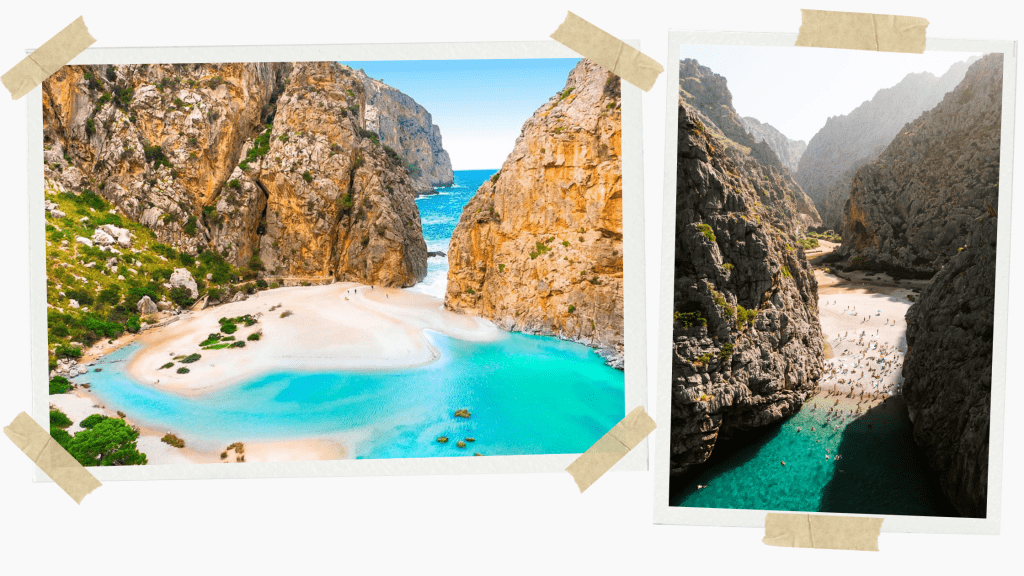
Sa Calobra is one of Mallorca’s most awe-inspiring landscapes. Two small beaches sit hemmed in by towering cliffs, with the 100m long Torrent de Pareis opening dramatically from a deep gorge.
The winding 14km (8.7m) road, built in the 1930s with 12 tight hairpin bends, is an experience in itself. For those less confident behind the wheel, ferries and buses offer a gentler way to arrive. A public bus goes from the town of Alcúdia, while a ferry goes from Port de Sóller.
Cala Banyalbufar
📍Northwest
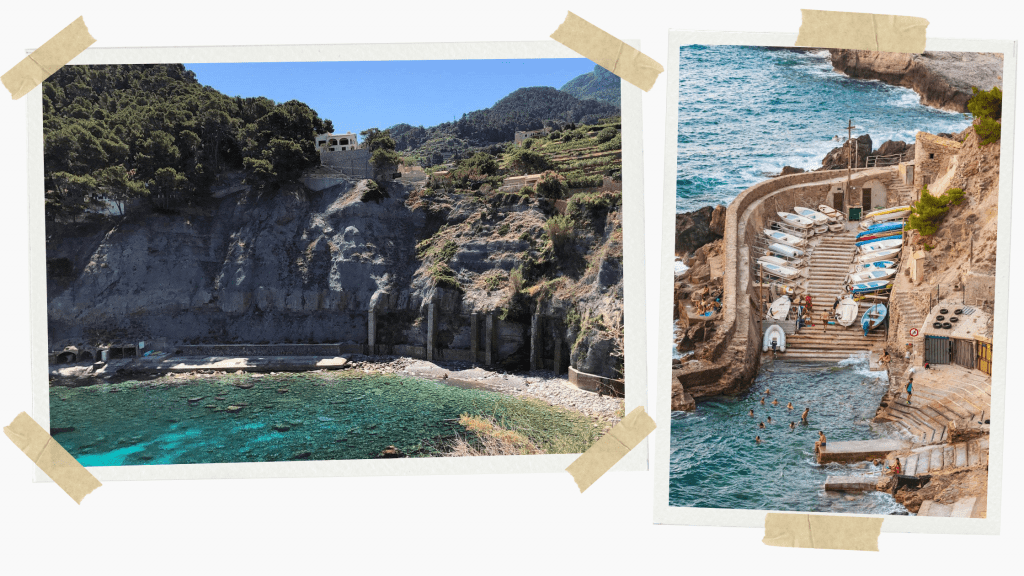
This small pebble beach sits below terraced hillsides and is less about sunbathing and more about its dramatic, quiet setting in the Tramuntana.
Caló des Moro
📍Southeast
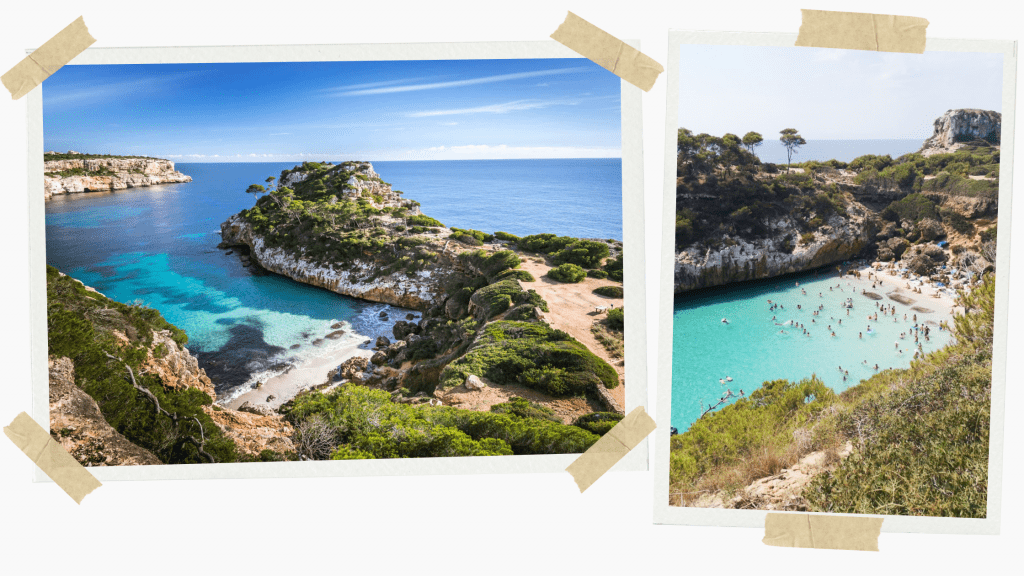
Caló des Moro is often referred to as the island’s most beautiful beach. It’s dramatic and compact, wedged between steep cliffs with water so clear it almost glows. Its beauty is undeniable, but space is limited, making early visits essential. It’s less a place to spend the whole day and more a striking natural stop.
Cala Figuera
📍Southeast
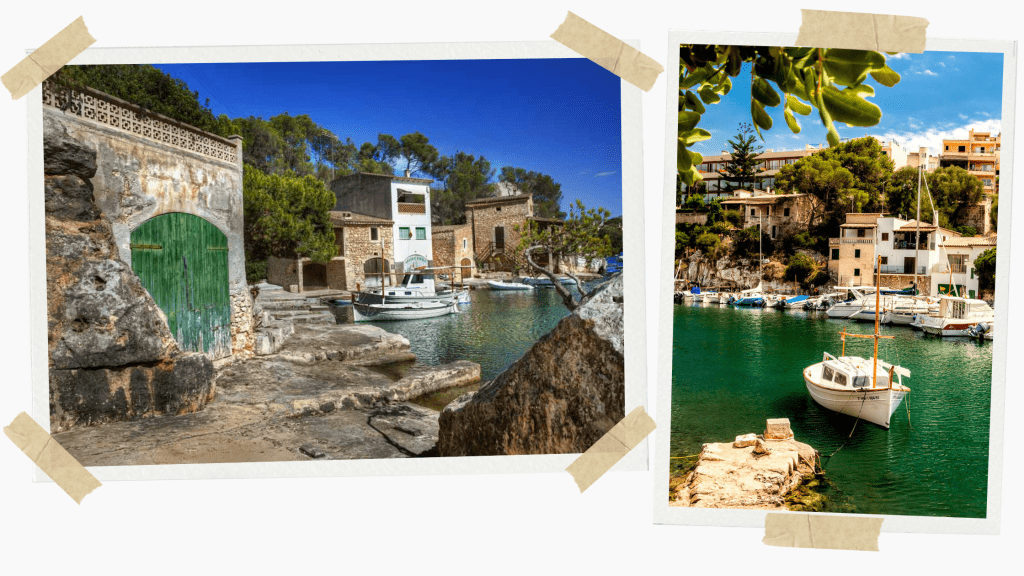
Cala Figuera isn’t a classic beach but a working inlet, where fishing boats bob between stone walls and houses edge the water. It feels authentic and quiet, ideal for a walk, a swim from the rocks, or a drink overlooking the harbour rather than a full beach day.
Cala s’Almunia
📍Southeast
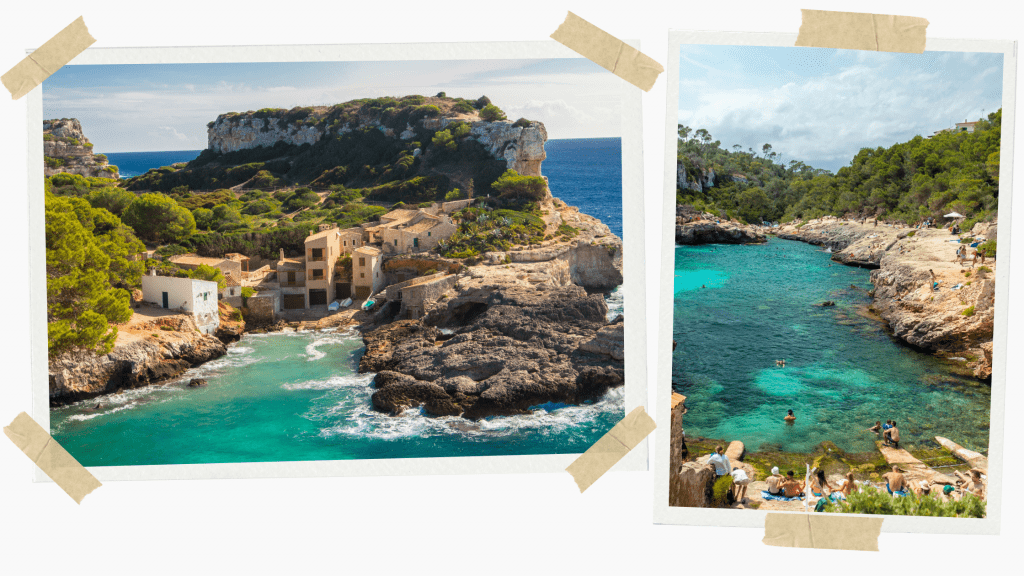
Cala s’Almunia is rugged and intimate, defined by stone platforms and ladders rather than sand. It feels raw and local, perfect for confident swimmers who value atmosphere over comfort.
Cala Llombards
📍Southeast
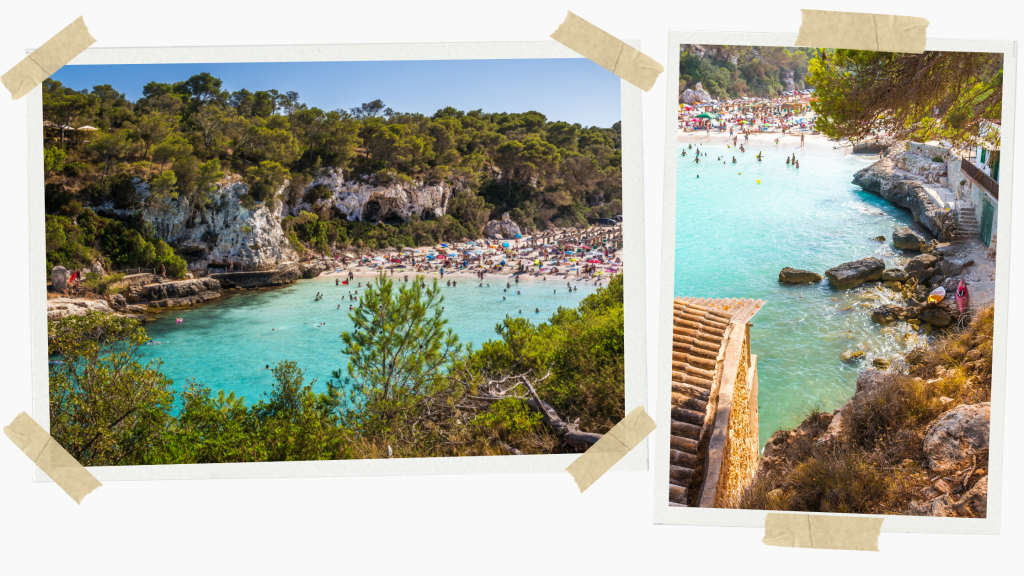
Cala Llombards balances beauty with accessibility. Clear water, sandy entry, and scenic cliffs make it popular, but its layout helps it feel less cramped than smaller calas.
Playa de es Trenc
📍South
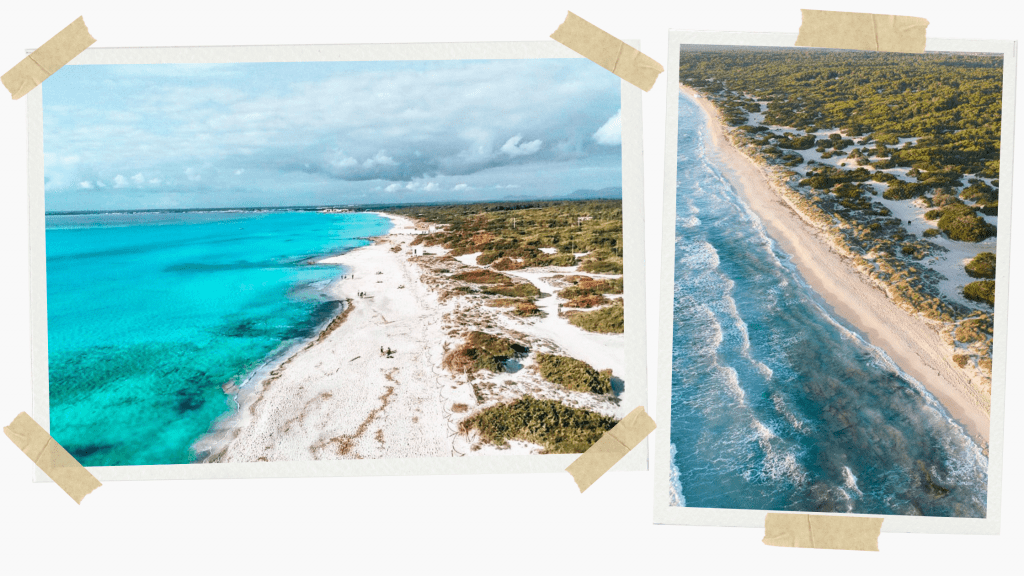
Stretching wide open with pale sand and shallow, clear water, Playa de es Trenc is less dramatic, but its undeveloped surroundings give it a natural feel unusual for such a long beach. Wind can be a factor, but that same openness is part of its appeal.
Cala Pi
📍South
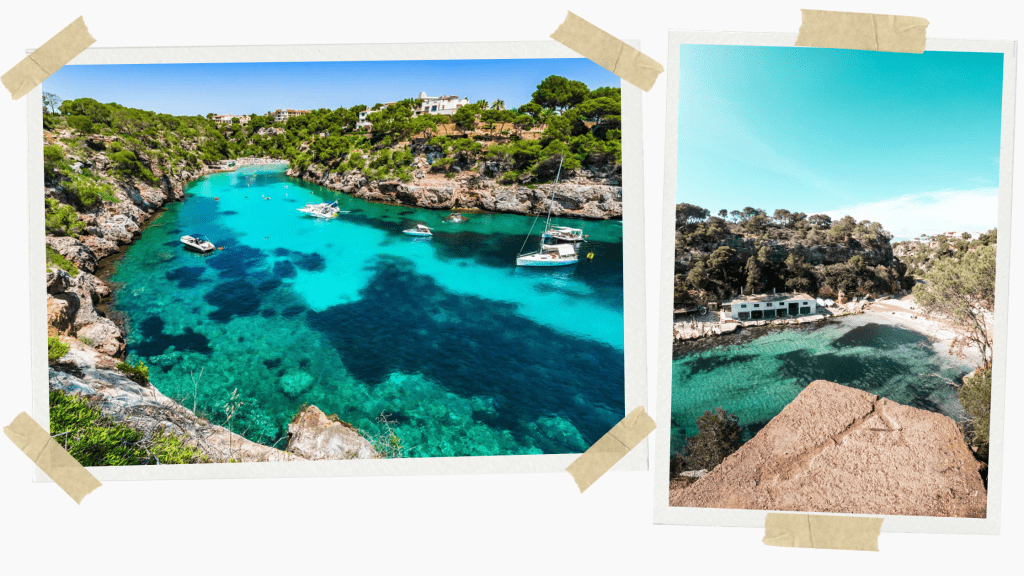
Sheltered by cliffs, Cala Pi offers calm water and a more enclosed feel. Its gentle conditions make it ideal for swimming, especially on windier days elsewhere.
Honourable mention: Cala Mitjana (Southeast)
Cala Mitjana is approachable and relaxed, with easy access and calm waters. It lacks the drama of some calas but makes up for it with comfort and space, making it a good option for a slower, less hectic swim.
Local Wineries
Mallorca’s wine scene is often overlooked, but it’s deeply rooted in the island’s history and landscape. Vines have been grown here since Roman times, and today a quiet renaissance is underway, led by family-run bodegas that focus on local grape varieties, balanced wines, and a strong sense of place.
Bodegas José L. Ferrer
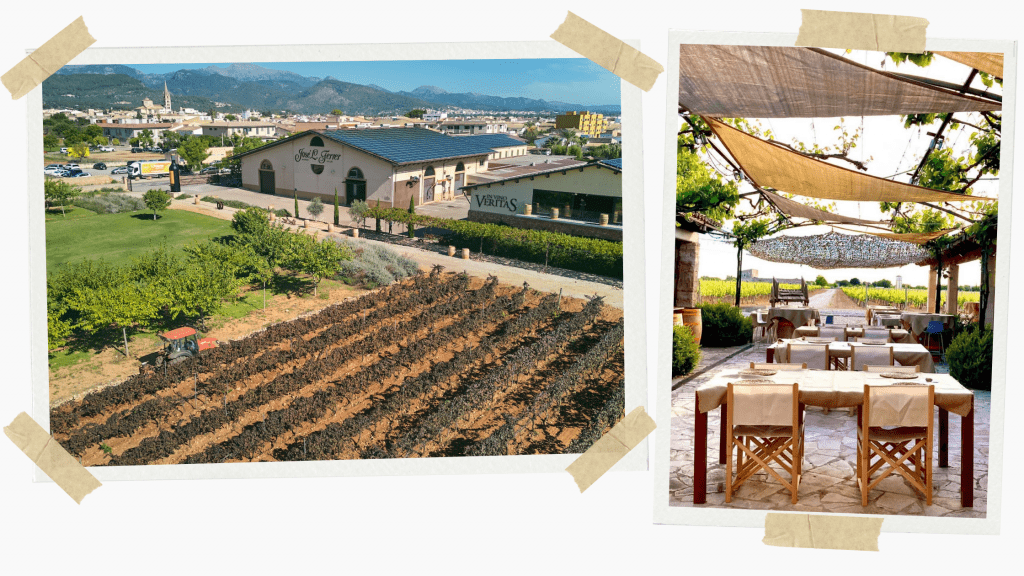
Located in the heart of the Binissalem DO, José L. Ferrer is one of Mallorca’s most established and respected wineries. Founded in 1931, it combines tradition with modern techniques, producing reliable, well-structured wines that showcase local grapes such as Mantonegro. The estate is easy to visit, well-organised, and ideal for those looking for a clear introduction to Mallorcan wine.
Bodegues Macià Batle
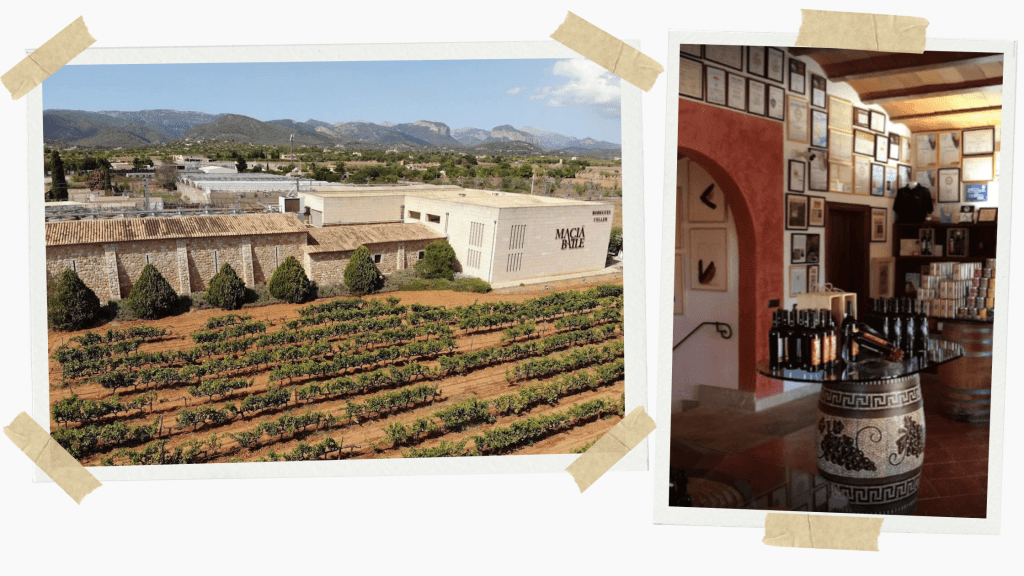
Also based in Binissalem, Macià Batle is known for its polished approach and strong visual identity, with labels often designed by contemporary artists. The wines are approachable yet expressive, blending international and local varieties. Tastings here tend to be informative and welcoming, making it a popular stop for first-time visitors to Mallorca’s wine country.
Bodega Ribas
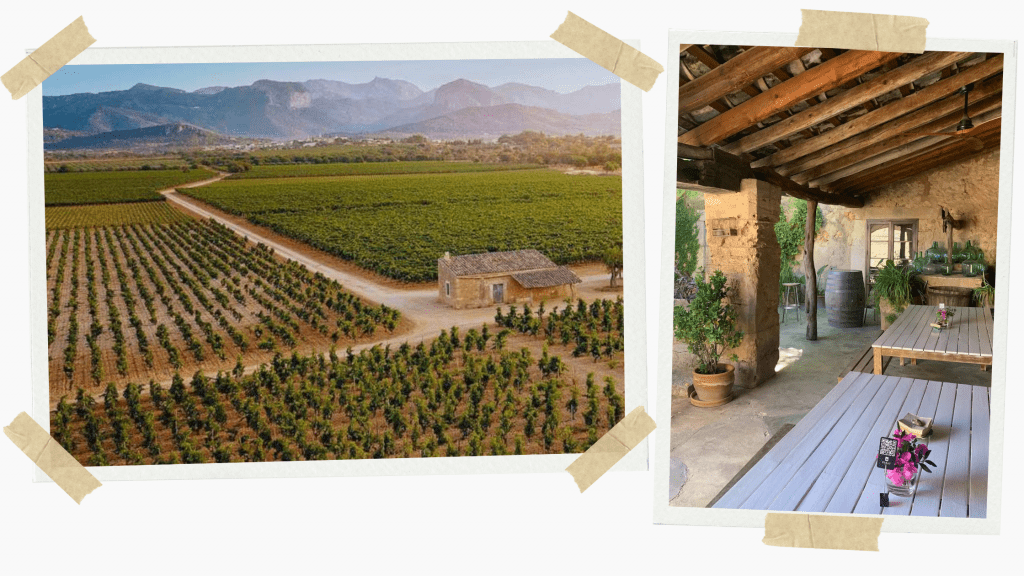
Founded in 1711, Bodega Ribas is Mallorca’s oldest winery and one of its most atmospheric. Set in a historic estate surrounded by vineyards, Ribas places a strong emphasis on indigenous grapes and minimal intervention. The experience feels intimate and rooted in history, offering insight into how wine has been made on the island for centuries.
Natural Sites to Visit
Cuevas del Drach
📍East
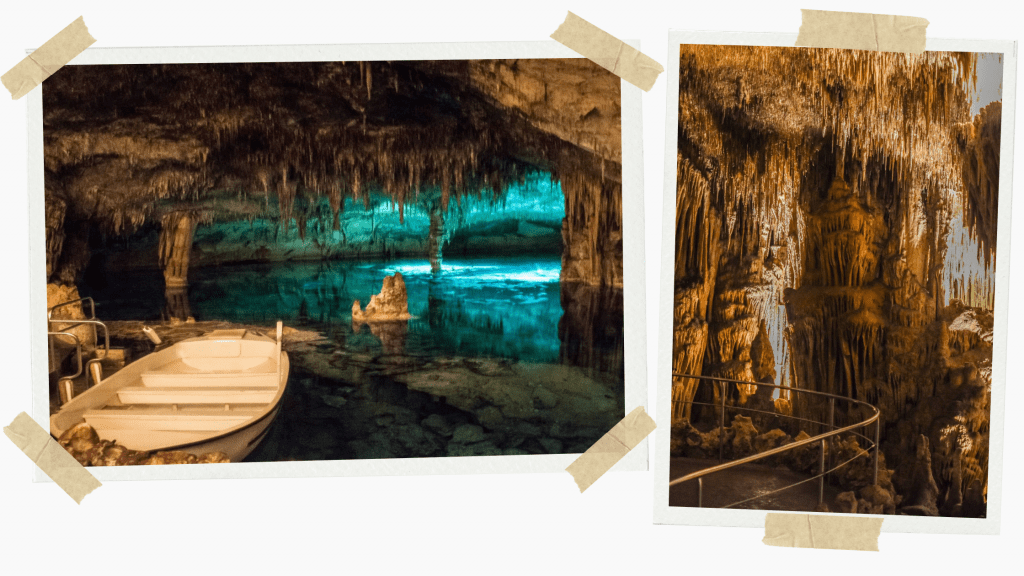
The Cuevas del Drach reveal a hidden, subterranean Mallorca where vast chambers open into cathedral-like spaces filled with stalactites and stalagmites culminating in Lake Martel, one of Europe’s largest underground lakes. The experience is atmospheric and otherworldly, offering a striking contrast to Mallorca’s sunlit coastlines.
Es Pontàs
📍Southeast (Near Cala Figuera)
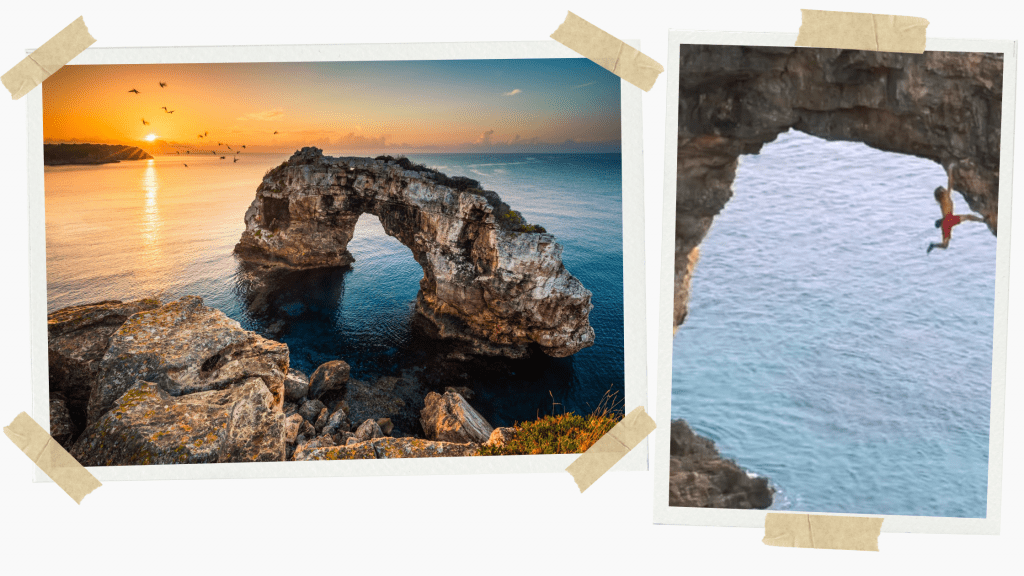
Es Pontàs is a monumental natural stone arch rising straight from the sea, shaped by centuries of wind and water. Easily viewed from the clifftops, it’s a quick but unforgettable stop that showcases the island’s dramatic coastal geology. It is right by Cala Figuera and worth visiting if you’re in the area.
Mirador Es Colomer
📍 North (Formentor Peninsula)
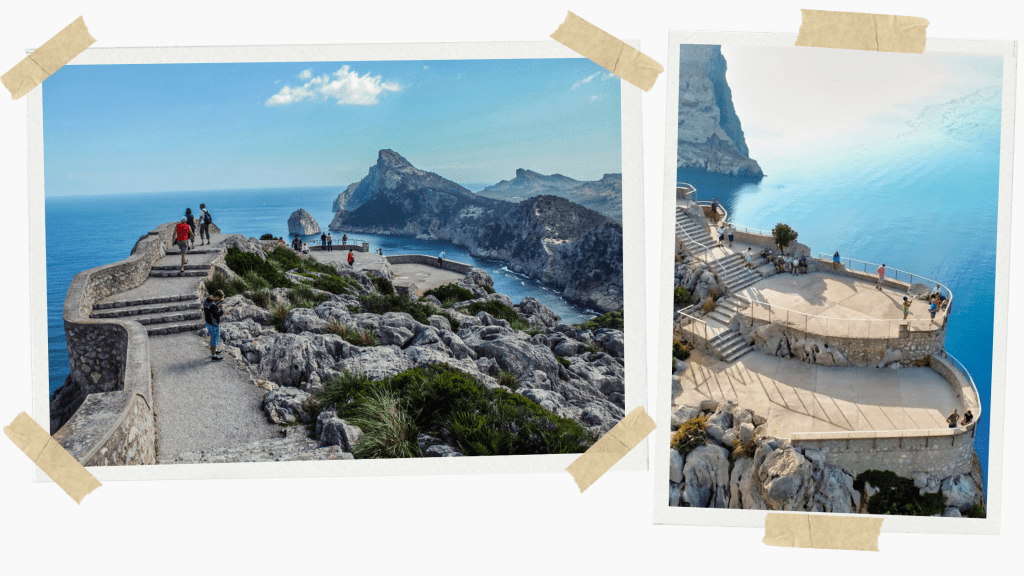
Mirador Es Colomer is one of Mallorca’s most iconic viewpoints, perched high above the sea on the road to Cap de Formentor. From here, jagged cliffs plunge into deep blue water, and the scale of the landscape becomes immediately apparent. It’s easily accessible yet profoundly dramatic, a must-stop if you’re driving to the island’s wild northern edge.
Cap de Formentor
📍Northeast tip
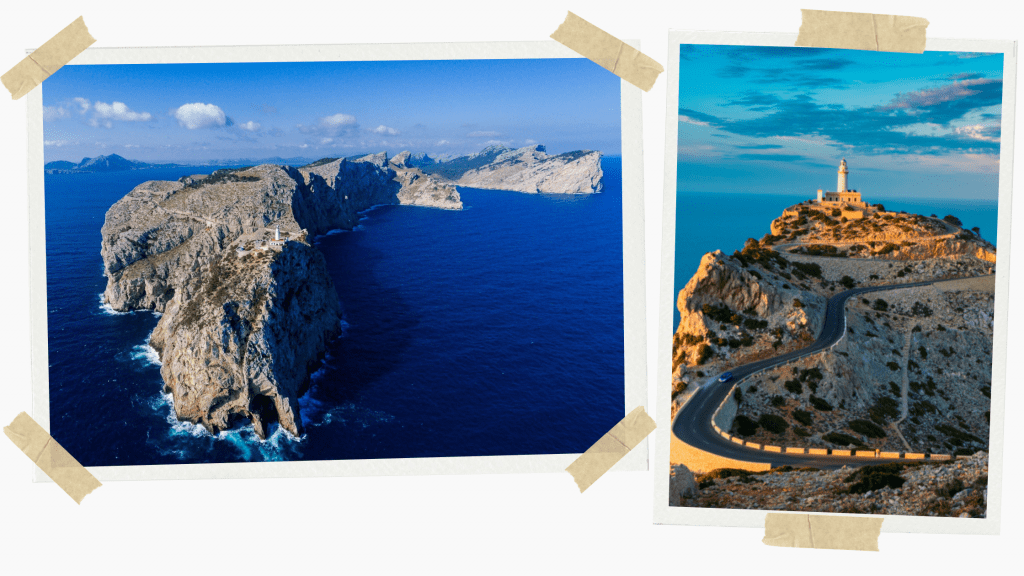
Cap de Formentor is one of Mallorca’s most dramatic landscapes, where the island narrows into a wild, wind-swept peninsula of sheer cliffs and open sea. The drive itself is part of the experience along a winding road carved into the rock, revealing ever more expansive views as you move closer to the edge of the island.
At its far end stands the Formentor Lighthouse, perched high above the water and marking the meeting point of sky and Mediterranean. From here, the sense of scale is immense: cliffs plunge hundreds of meters into deep blue water, seabirds ride the wind, and the horizon feels endless.
Visit at sunset or on a clear day for the most powerful effect, this is Mallorca at its most raw and unforgettable.
Hiking Mallorca’s GR Routes
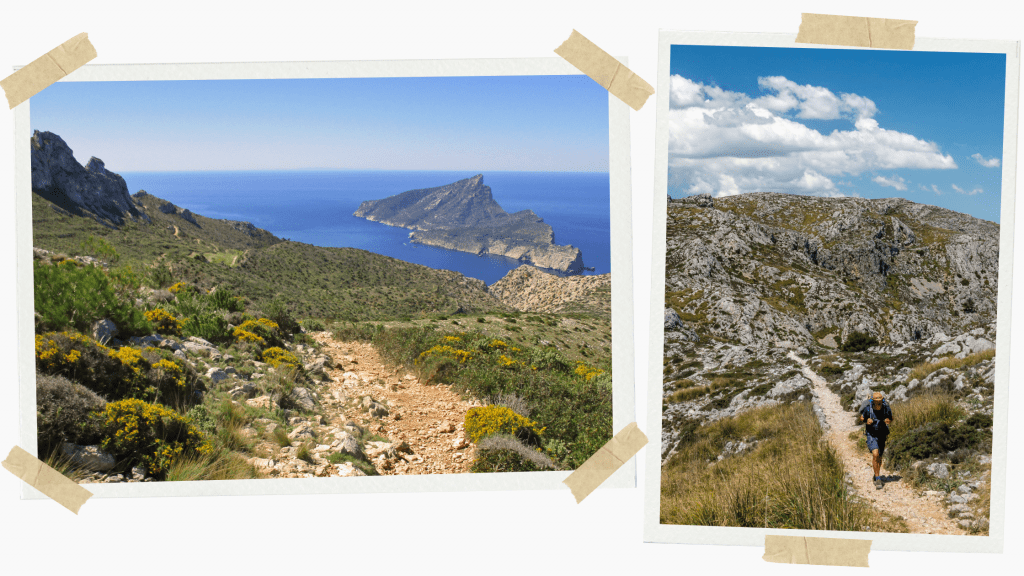
I mentioned this one in my roundup of the best hikes and walks in Spain. Mallorca’s long-distance GR trails cut through the Serra de Tramuntana mountain range, showcasing a very different side of Mallorca from what most people know. Travelling through mountains, historic villages, forests, monasteries, and high ridgelines with sweeping Mediterranean views, it is a great way to experience the island at its most natural.
Spring and autumn are ideal, when temperatures are mild, and the landscape is green, making hiking one of the best ways to truly understand Mallorca’s scale and diversity. It’s demanding in places but deeply rewarding and can be split across days by using the island’s mountain refuges.

You can load various routes of the Tramuntana Ruta GR221 on Komoot here.