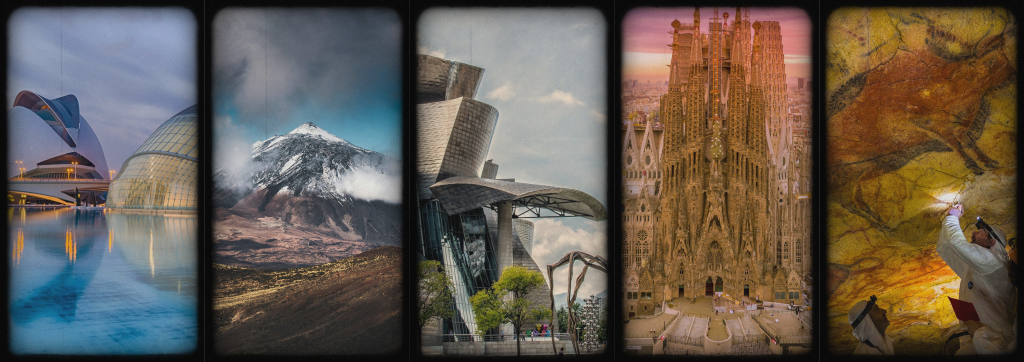
Inspired by the 2007 vote to select the New Seven Wonders of the World, Spanish broadcasters Antena 3 and COPE launched a campaign to elect Spain’s own version, the Siete Tesoros de España, paying homage to the nation’s prized landmarks.
Chosen by public vote, an initial list of thousands of cherished sites had been narrowed down to 20 finalists before 12 (rather than seven) were chosen as Spain’s most iconic treasures.
Encompassing prehistoric marvels, remnants of former empires, dazzling feats of modern architecture, and nature’s brilliance, the list epitomises Spain’s variety of heritage and wonder.
These are the 12 Tesoros de España in order of votes received.
12. The Guggenheim Museum
📍Bilbao, País Vasco
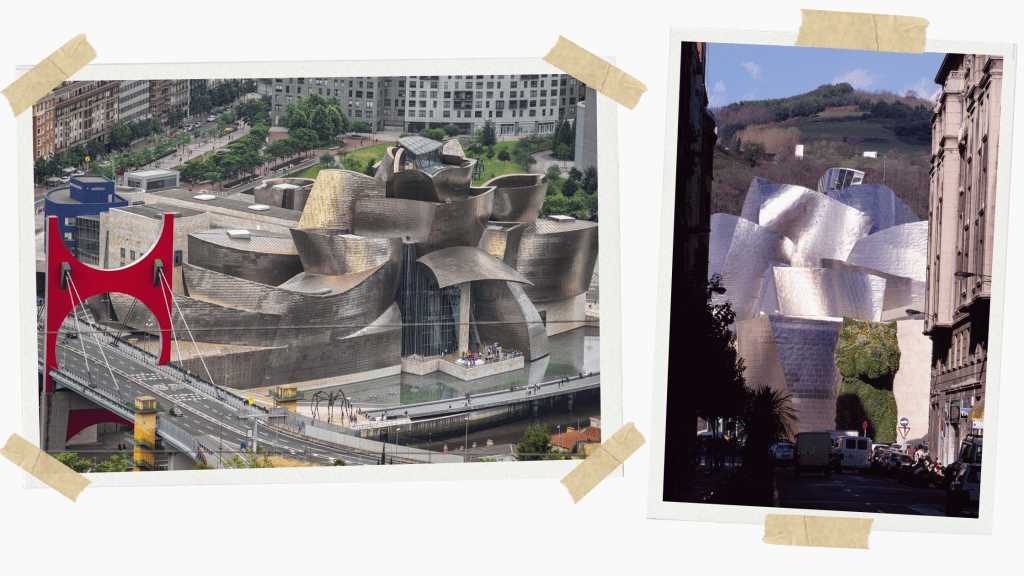
Two of the Basque Country’s most prized features came in at twelfth and eleventh, with the final spot awarded to Bilbao’s formidable architectural pièce de résistance, the Guggenheim Museum.
Opened in 1997 along the Nervión River in the heart of the city, Frank Gehry’s instantly recognisable titanium-clad creation is a defining work of avant-garde architecture.
Beyond its distinctive, visionary design, the museum transformed Bilbao’s global image, igniting the city’s urban resurgence and inspiring what is now known as the “Bilbao Effect”, a model of culture-led regeneration.
What was once a declining industrial hub became a city synonymous with innovation, art, and ambition, with the museum as its glittering emblem. Today, it stands as a monument to the transformative power of architecture itself, drawing millions of visitors to see its world-renowned art and exhibitions.
11. La Concha Beach
📍 San Sebastián/Donostia, País Vasco
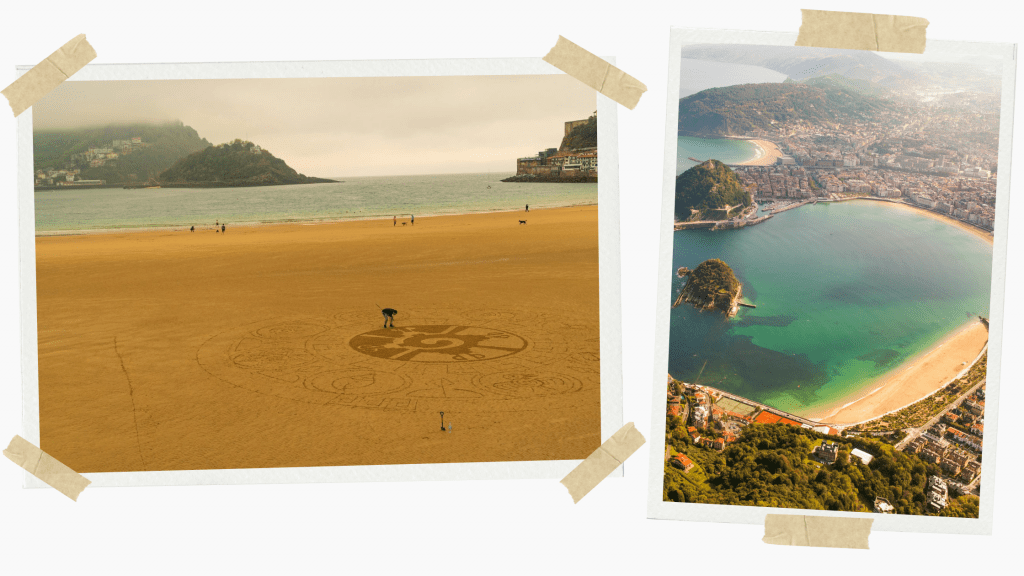
It may come as something of a surprise that a beach ranks among Spain’s top “wonders”, even more so considering that it isn’t one defined by dramatic cliffs, towering rock formations, or turquoise waters. Yet the golden sands of San Sebastián’s crescent-shaped bay offer a humble paradise that epitomises what the city-beach hybrids of Spain do best.
Framed by rolling hills, Playa de la Concha stretches along an animated promenade with the renowned chefs, bars, and restaurants of the city’s celebrated culinary scene just steps away. It represents the pinnacle of the urban beach experience and stands as the showpiece of what is simultaneously a uniquely cosmopolitan and intimate city.
10. La Sagrada Família
📍Barcelona, Catalunya
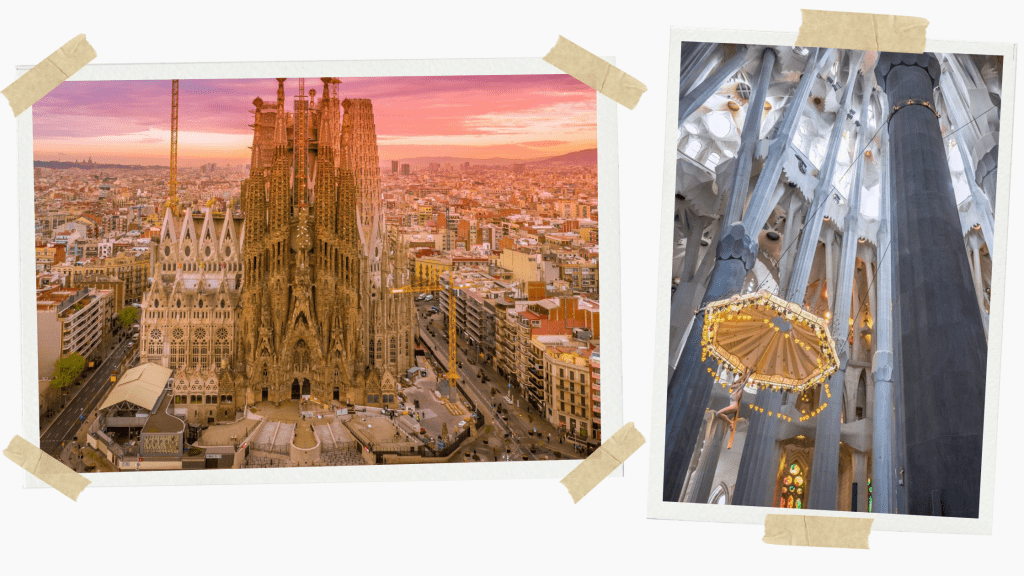
Given Barcelona’s worldwide fame and thriving tourism, there’s no doubt that the majority of people are already well acquainted with Antoni Gaudí’s unfinished masterpiece. Since work began in 1882, the towers and façades of the towering basilica have become emblematic of Barcelona’s creative spirit, rising above the skyline with ever-expanding ambition.
Inside, the Sagrada Família is a marvel of light with sunlight seeping through vividly coloured stained glass, casting kaleidoscopic patterns across soaring columns. From its intricately carved façades to the carefully considered geometry of its interior, this incredible feat of imagination continues to come to fruition with such meticulous and mesmerising artistry more than a century after work first began.
9. The City of Arts and Sciences

📍Valencia, Comunitat Valenciana
Comprising a planetarium, science museum, aquarium, opera house, event spaces, and gardens, Valencia’s futuristic Ciudad de las Artes y las Ciencias is a remarkable hub of culture, science, and leisure.
Stepping into this sprawling dreamscape, a daring fantasy conjured up by renowned Spanish architect Santiago Calatrava, is an otherworldly experience beyond compare. One that is impossible to appreciate through words, postcards or pixels.
A living gallery of human creativity, the complex’s symphony of skeletal surves, delicate bridges, and shimmering glass domes stands in stark contrast to the fabric of Valencia and Spain’s ancient heritage, offering an utterly unique experience unlike anywhere else in the country.
8. The Cathedral of Santiago de Compostela
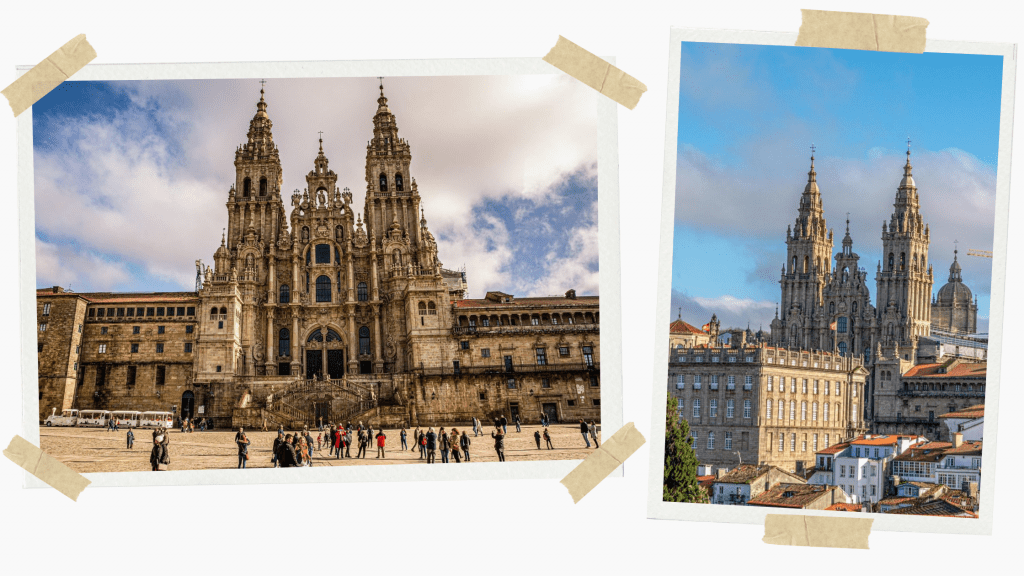
📍Santiago de Compostela, Galicia
The next of Spain’s 12 Treasures is a cathedral found on the far side of the country from Valencia’s new age fantasy complex. The weathered stone façade of the Catedral Basílica de Santiago de Compostela has long served as the culmination point and spiritual crescendo for an unfathomable number of people to have walked the Camino de Santiago throughout time.
Rising over the resting place of Saint James, one of the Twelve Apostles of Jesus who is credited with bringing Christianity to the country, the cathedral is a living chronicle of Spanish architecture, offering a tapestry of Romanesque, Gothic, and Baroque features with spires that climb skyward into Galicia’s rain and mist above the Praza do Obradoiro. For many, however, its true majesty lies in something less tangible, a spiritual gravity that renders its towering stonework momentarily meaningless.
7. The Roman Theatre of Mérida
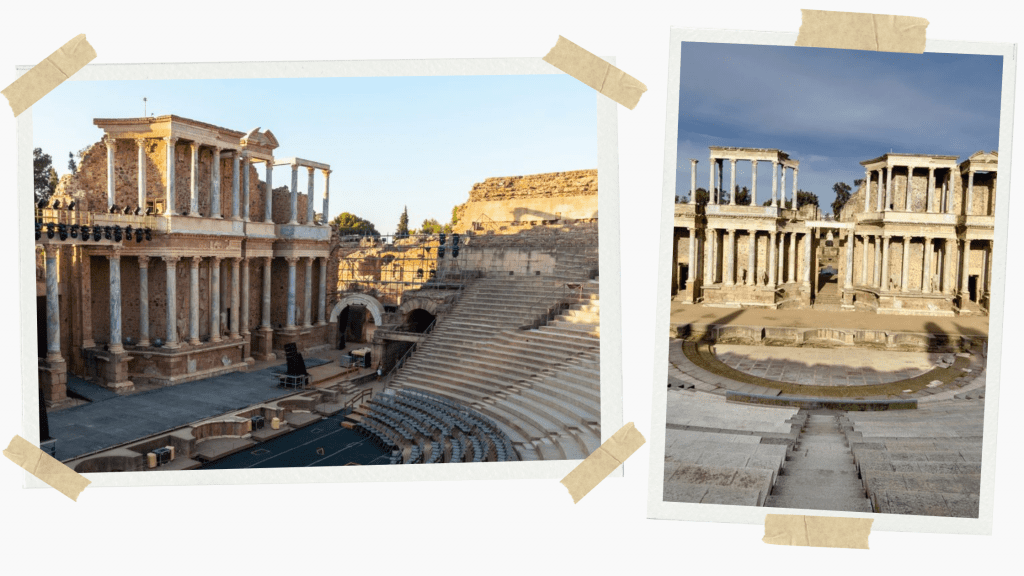
📍Mérida, Extremadura
The next site takes us south into Extremadura’s sun-baked plains, but also even further back in time to before the age of the apostles. The Teatro Romano de Mérida is one example of the huge imprint the Roman Empire left on Spain. Built by Agrippa around 15 BC, this stone semicircle once housed 6,000 spectators who flocked to experience the voices of poets, orators, and actors in what was one of Rome’s great western outposts.
Today, the well-preserved stage is reawakened each summer during the major theatre festival, the Festival Internacional de Teatro Clásico de Mérida, wherein actors breathe new life into the theatre with the same material that theatre-goers would have watched over 2000 years ago.
6. Teide National Park
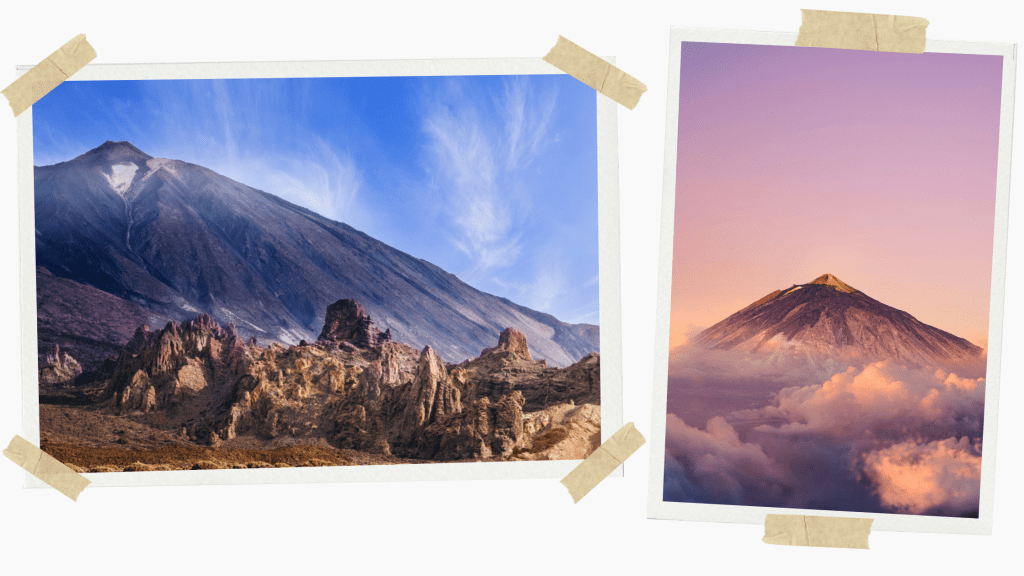
📍Tenerife, Canary Islands
The only one of Spain’s 12 Treasures located beyond the Iberian Peninsula, Parque Nacional del Teide on Tenerife, stands as the archipelago’s crown jewel and only the second natural wonder on the list after San Sebastián’s beloved beach.
Spanning 18,900 hectares, the park is dominated by Pico del Teide, Spain’s highest peak. This volcano towers over 3,700 metres above sea level, and from its base beneath the ocean, rises more than 7,500 metres, making it one of the largest volcanoes on Earth.
Though still active, Teide hasn’t experienced an eruption since 1909, and its volcanic slopes draw millions of visitors each year, enchanted by the otherworldly landscapes, stark craters, and celestial views it has on offer.
5. Cathedral-Basilica of Our Lady of the Pillar

📍Zaragoza, Aragón
St. James makes another cameo in the 12 Treasures of Spain with the next monument built on the spot where legend says he experienced a Marian apparition. The Catedral basílica de Nuestra Señora del Pilar is another spiritual beacon to have drawn pilgrims for centuries to its spot towering over Zaragoza from the banks of the Ebro River.
Its towers and decorative domes tiled in emerald and gold, illuminate the sky day and night, while inside, frescoed ceilings and gilded chapels speak to centuries of devotion. Today, it is the beating spiritual heart of the city and a symbol of Zaragoza itself.
4. The Alhambra
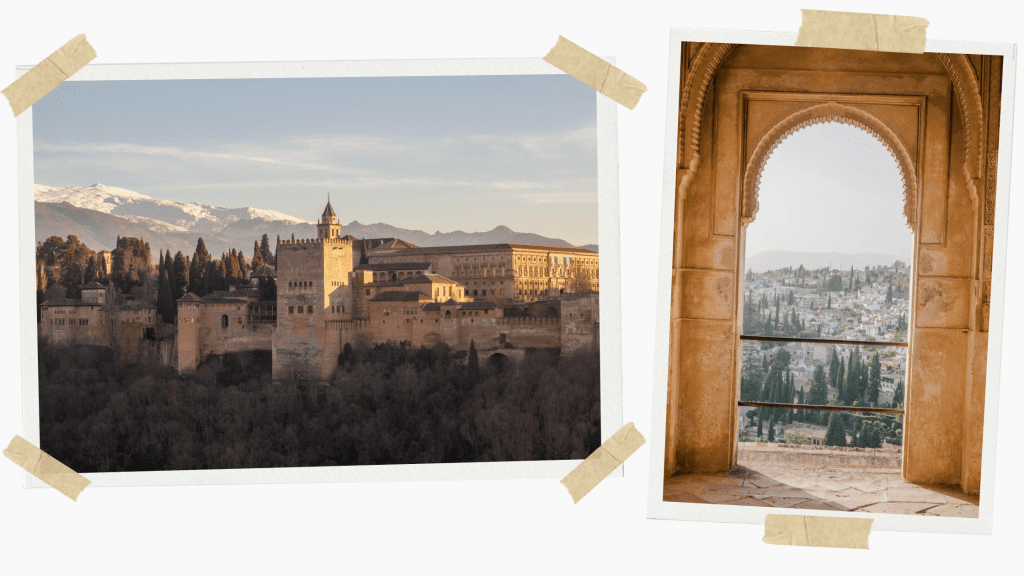
📍Granada, Andalucía
The next treasure is the first to epitomise Spain’s vast Islamic legacy. Built by the Nasrid dynasty in the 13th and 14th centuries, the Alhambra crowns the city of Granada, framed by the snowy peaks of the Sierra Nevada. Inside this sprawling fortress-palace, it is impossible not to be imbued with an appreciation for the brilliance of Moorish design.
Intricately tiled walls, serene courtyards, and reflective pools are found in abundance, while a casual step through an archway suddenly reveals sweeping panoramic views, a reminder of the palace’s power and grace. Here, beauty, history, and serenity intertwine, leaving an impression that lingers long after you’ve made your way back down to the streets of Granada.
3. Seville Cathedral
📍Sevilla, Andalucía
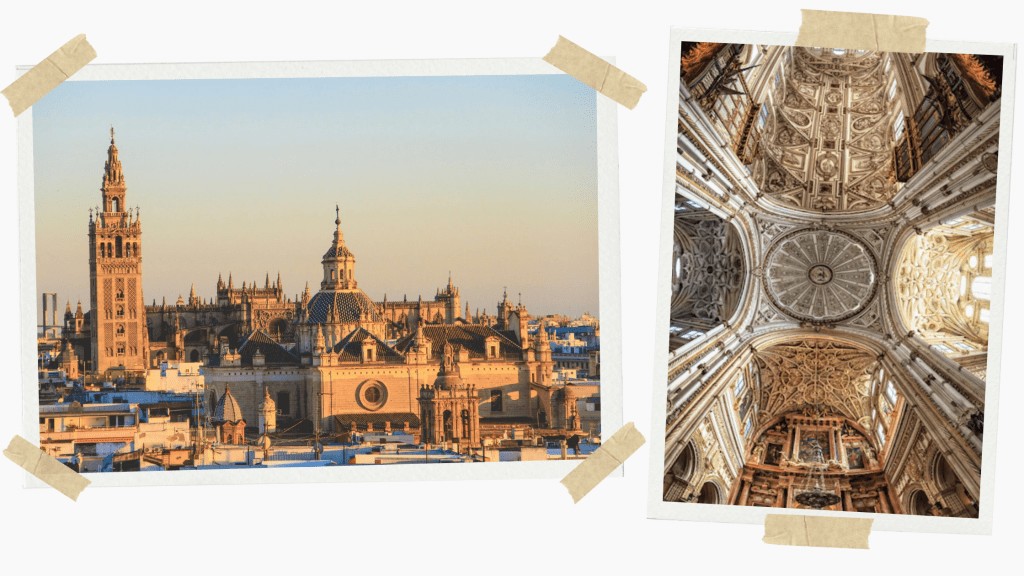
Staying in Andalusia, the next site is found not far from Granada in the region’s biggest city, Seville, where you’ll find the world’s largest Gothic church. Built upon the foundations of a former mosque, the Cathedral of Santa María de la Sede stands as a cornerstone of Andalusian heritage.
The soaring Giralda tower, once a minaret, watches over the city with elegant authority, while elaborately decorated chapels, ribbed vaults, and, legend has it, the tomb of Christopher Columbus fill its vast interior with history and awe. Its sheer scale, intricate details, and historical layers make it a landmark where faith, artistry, and history converge.
2. Cave of Altamira

📍Santillana del Mar, Cantabria
Up on Spain’s frigid north coast, the Cueva de Altamira in Cantabria takes us back to the prehistoric period more than 20,000 years ago. Hidden beneath rolling hills near the historic town of Santillana del Mar, one of humanity’s earliest glimpses of artistry is found in the form of vivid polychromatic cave paintings representing bison, horses, and deer.
Created by hands long vanished from the earth, the creations speak across millennia, connecting modern visitors to a world of hunter-gatherers and sacred rituals. The earliest sparks of artistic ambition still resonate from a small cave on the coast of Spain, underlining the incredible assortment of wonders that the country is home to.
1. The Mezquita
📍Córdoba, Andalucía
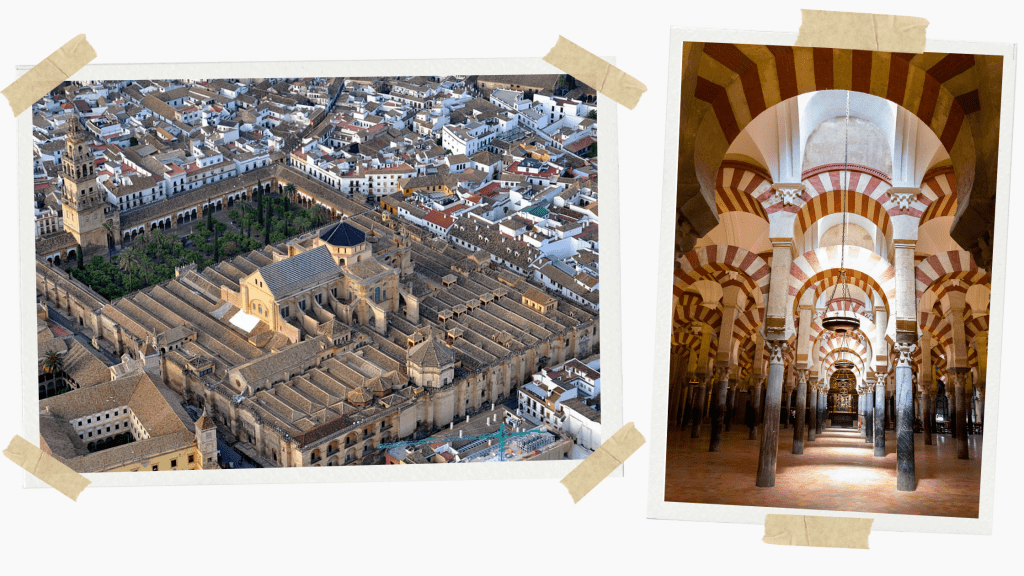
The site to receive the most votes of all 12 Treasures of Spain can be found back in Andalusia, in the city of Córdoba. Originally built as a grand mosque in 785 AD, a short walk from the city’s famous Roman bridge, the Mezquita-Catedral de Córdoba underwent frequent expansion, accommodating around 40,000 worshippers at its height when it was one of the most important Islamic monuments in the western world. Following the fall of al-Andalus and the Christian conquest of Córdoba in 1236, the mosque was then consecrated as a cathedral, which it remains today, hence its official name, the Mezquita-Catedral.
In the 16th century, a Renaissance-style cathedral nave was inserted, creating an unusual fusion visible today with the heart of the church surrounded by Moorish features, including the myriad of red-and-white striped arches. It stands as a layered monument to Córdoba’s complex history of tension and harmony, combining Islamic and Christian heritage in a single space and encapsulating Spain’s unique story in stone and faith.
The other eight sites that made the 20 finalists are:
- Royal Monastery of El Escorial (San Lorenzo de El Escorial, Madrid)
- Walls of Ávila (Ávila, Castilla y León)
- Roman Aqueduct of Segovia (Segovia, Castilla y León)
- Burgos Cathedral (Burgos, Castilla y León)
- León Cathedral (León, Castilla y León)
- Hanging Houses of Cuenca (Cuenca, Castilla–La Mancha)
- The Church of Saint Mary at Mount Naranco (Oviedo, Asturias)
- Roman Theatre of Cartagena (Cartagena, Murcia)
The 12 Tesoros de España: